Can Tho International Airport (VCA) station
Tip: The taxi counter inside the terminal is the safest bet; Grab pickup is outside. The ride takes 15–25 minutes.
Open in Google MapsPrices checked November 2026. If a price at the ticket counter differs from this guide, the counter price is the one that counts.
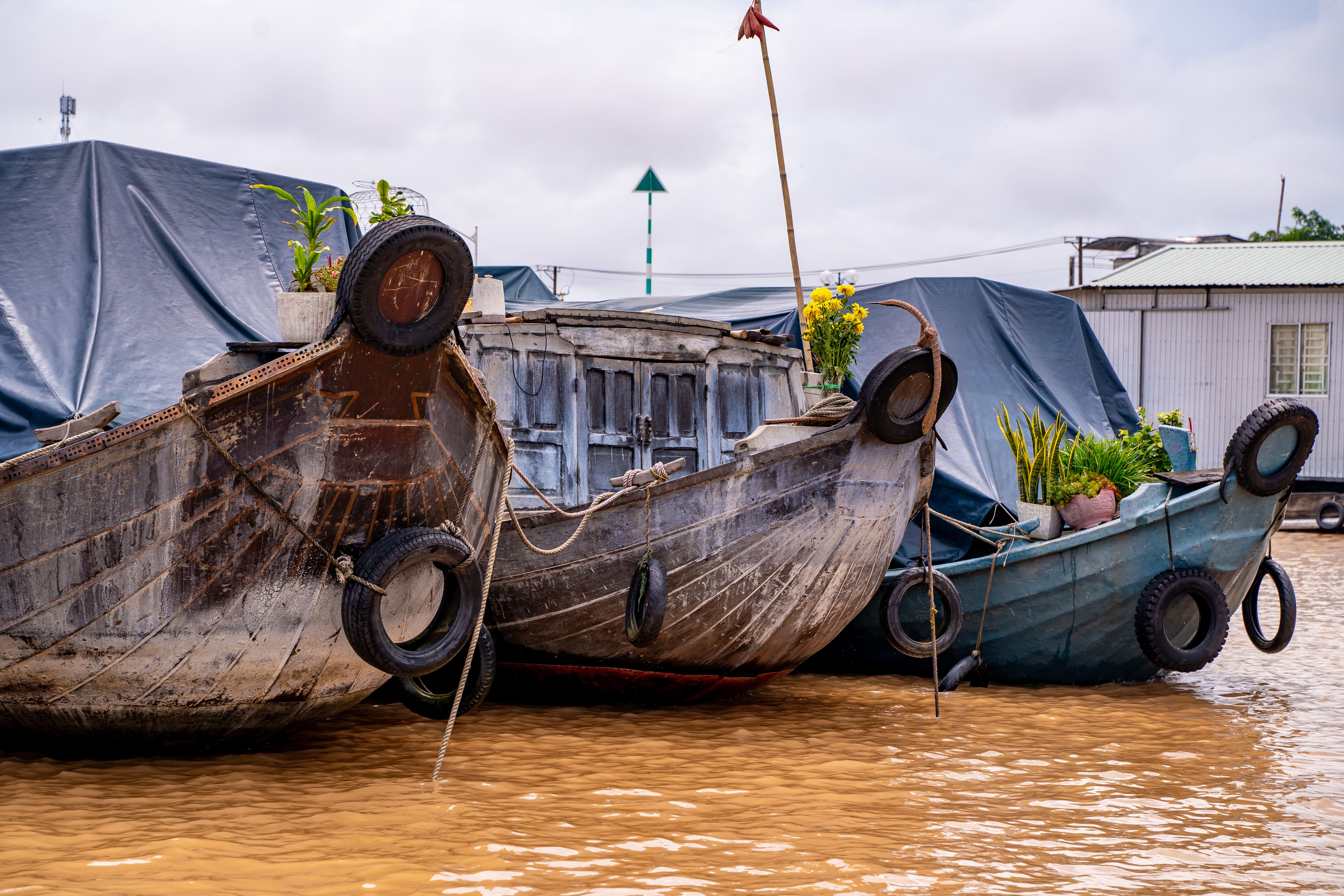
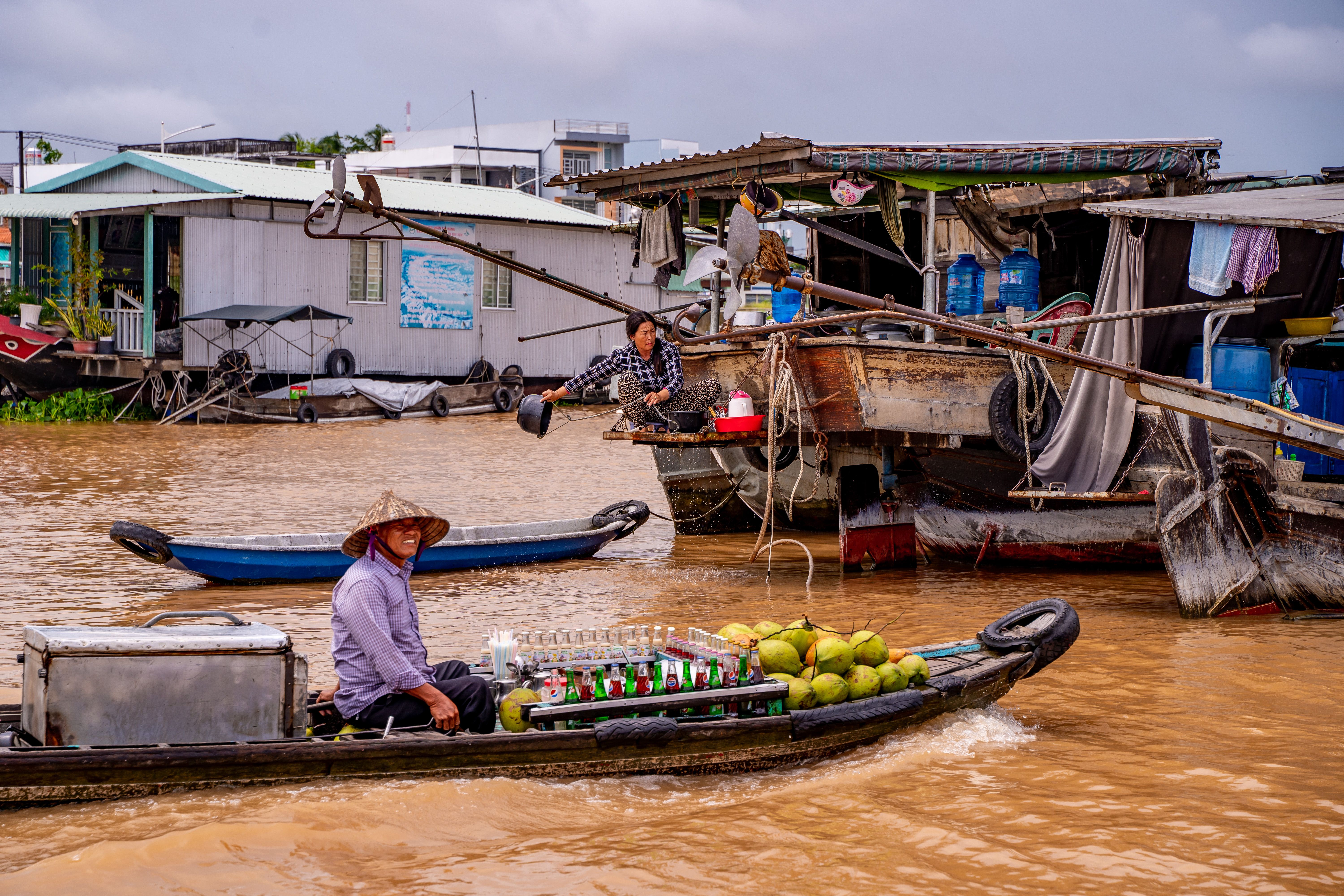
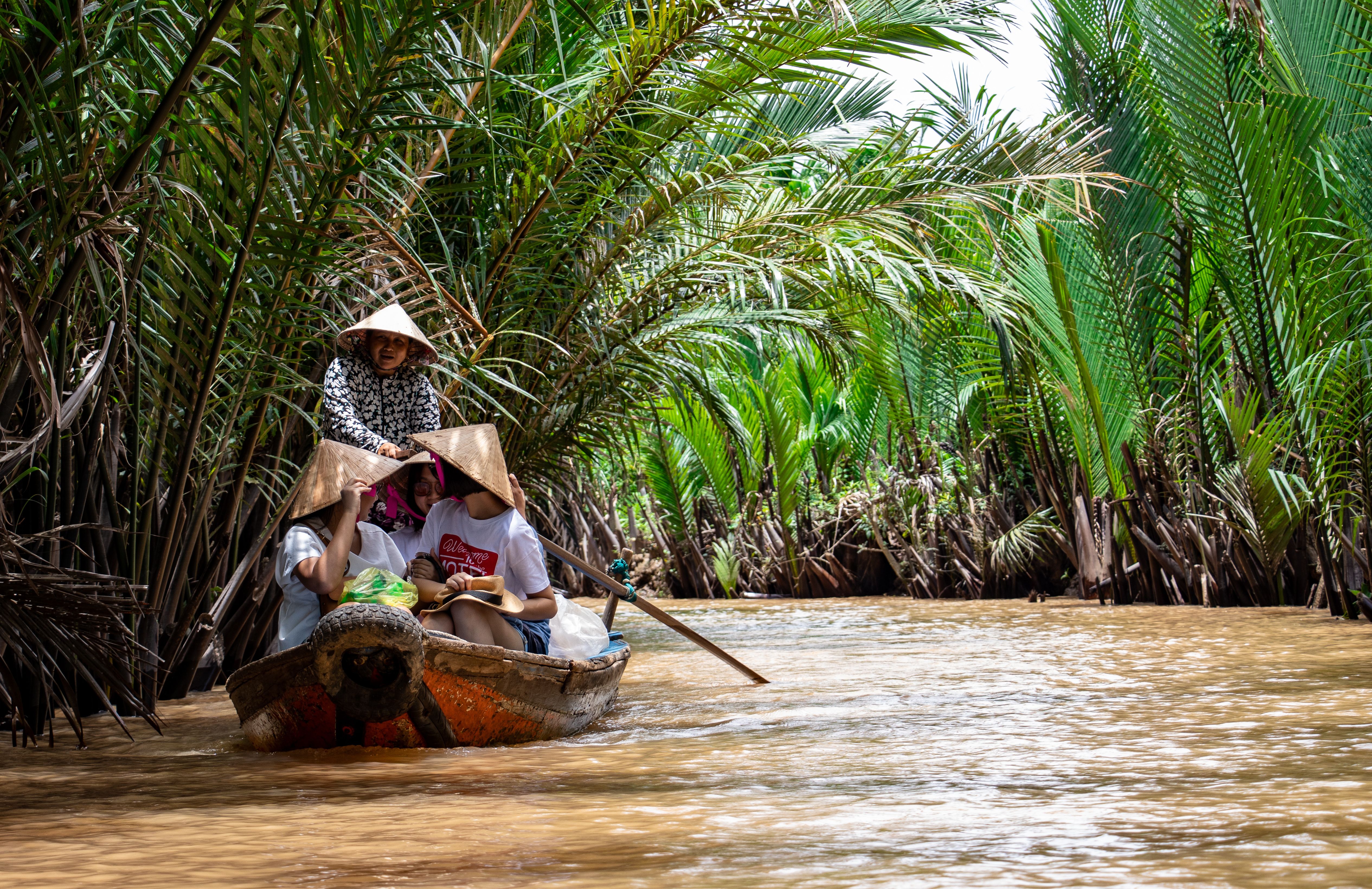
Can Tho is the biggest city in the Mekong Delta, the vast river plain of southern Vietnam where life runs on water. This guide covers Can Tho city as your base, plus the Delta highlights you can reach from it: the Cai Rang floating market at dawn, the coconut canals of Ben Tre, and the river town of Chau Doc near the Cambodian border.
The Delta is flat, hot, green and slow. Boats outnumber cars on the small canals, fruit orchards line the riverbanks, and the best moments are small ones: a bowl of noodle soup served from a boat at sunrise, a sampan gliding under coconut palms, a family making coconut candy by hand. Come for 2–3 days. One very early morning covers the floating market; a second day takes you into the canals and orchards; a third lets you go further afield to Chau Doc or Ben Tre.
The best months are November to April, the dry season, when the skies are clear and the rivers are calm. May to October is the wet season — afternoon downpours, but also the fruit season (June–August), when rambutan, mangosteen and durian are everywhere. The floating market runs all year, rain or shine.
Can Tho and the Delta suit first-timers who want a gentle taste of river life, families, couples and food lovers. It is less suited to travellers who want mountains, beaches or nightlife — the Delta is flat, the evenings are quiet, and the main event starts at 5 a.m.
Getting here: Can Tho has its own airport with flights from Hanoi and Da Nang, or take a bus from Ho Chi Minh City (3–4 hours). Details and prices are in section B.
Prices checked November 2026. Prices are in Vietnamese dong (VND) with a US dollar approximation at 1 USD ≈ 26,000 VND.
Fly to Can Tho International Airport (VCA). Direct flights run from Hanoi (about 2 hours) and Da Nang. One-way fares from Hanoi typically run about 1,450,000–2,110,000 VND (~$56–81) depending on how early you book. The airport is about 10 km north-west of the city centre.
Can Tho Airport to the city centre (15–25 minutes).
Bus from Ho Chi Minh City. The most common way in. Buses leave from Mien Tay Bus Station in Ho Chi Minh City and take 3–4 hours (about 170 km).
From Chau Doc or Rach Gia. Buses connect Can Tho with Chau Doc (about 3 hours) and Rach Gia (about 2.5–3 hours). Fares are roughly 100,000–200,000 VND (~$4–8) — not verified at the counter; confirm when booking.
Tip: The taxi counter inside the terminal is the safest bet; Grab pickup is outside. The ride takes 15–25 minutes.
Open in Google MapsTip: Buy tickets at the official counters inside the station, not from touts outside. Allow an extra hour to get to the station from central Ho Chi Minh City in traffic.
Open in Google MapsTip: This is where most floating market boats depart. Come the evening before to look at the boats and agree a price, so your 5 a.m. start is painless.
Open in Google MapsCan Tho city is flat and easy. The Delta beyond it is a maze of rivers and canals — you get around by boat, and that is the point.
Grab and taxi in the city. GrabBike starts at about 15,000 VND (~$1) for short hops; GrabCar averages about 70,000 VND (~$3) across the centre. Metered taxis (Mai Linh national hotline 1055) are available. No verified local Can Tho taxi phone number was found with two agreeing sources — see the Unverified section.
Bicycle. Rent a bicycle from your guesthouse for about 50,000 VND (~$2) per day. The flat orchard lanes of Phong Dien district, south-west of the city, are perfect for a slow morning ride.
Motorbike rental. About 150,000–200,000 VND (~$6–8) per day. You need a valid International Driving Permit with your home licence, and you must wear a helmet. Roads are flat and easy, but watch for sudden rain and for boats crossing at ferries.
Boat. For the floating market and the small canals, you hire a boat — see section D. For day trips to Ben Tre and Chau Doc, your hotel can arrange a car and a local boat. Do not try to navigate the small canals alone; the waterways all look alike, and a local boat driver is part of the experience.
Tip: The largest floating market in the Mekong Delta, and still a working wholesale market first and a tourist sight second. Each boat hangs its produce on a tall pole so buyers can see what it sells — look up, not just around. Hire your boat from Ninh Kieu Wharf (30 minutes' ride) or from Cai Rang itself. Eat breakfast from a boat: a bowl of noodle soup served on the water costs about 30,000–50,000 VND (~$1–2). Bring cash, a hat and sunscreen, and go on a weekday if you can — weekends are busier with tour boats.
Open in Google MapsTip: Smaller and more local than Cai Rang, with fewer tour boats. Best combined with a bicycle ride through the orchard lanes of Phong Dien afterwards. Ask your hotel to arrange a boat the day before.
Open in Google MapsTip: A community-run islet where local families welcome visitors into their orchards and fish farms — you can walk through fruit gardens, watch fish being fed, and eat lunch cooked by a family. It is a gentle, honest look at Delta life. Go with a local guide or ask your hotel to arrange the community tour.
Open in Google MapsTip: Ben Tre is the coconut capital of the Delta. The classic day is a boat on the wide river, then a hand-rowed sampan through narrow canals under coconut palms, with stops at a coconut candy workshop, a brick kiln and a family orchard. It is touristy in places and still lovely — the canal stretches are the quietest part. Most visitors do Ben Tre as a day trip from Ho Chi Minh City or from Can Tho; either way, go with a small group or a private boat if you can.
Open in Google MapsTip: Chau Doc is the Delta's most distinctive town: floating fishing villages, Cham villages, Khmer pagodas and the sacred Sam Mountain, which locals climb for the view over the rice fields and the Cambodian border. Nearby Tra Su Cajuput Forest is a flooded forest you explore by boat, gliding through green duckweed under cajuput trees — one of the prettiest boat rides in the Delta. Chau Doc deserves an overnight stay, not a rushed day trip.
Open in Google MapsTip: A small, well-kept museum on the history and culture of the Delta — Khmer, Cham, Chinese and Vietnamese communities, river life and the wartime years. A good rainy-afternoon stop, and it helps everything else you see make sense.
Open in Google MapsHidden gem — the small canals after the market. Most visitors go straight back to the hotel after Cai Rang. Instead, ask your boat driver to take you through the small canals behind the market for another hour: stilt houses, children going to school by boat, women washing vegetables at the water's edge. That quiet hour is the Delta at its most real.
Delta food is sweet, fresh and generous: river fish, prawns, tropical fruit and coconut in everything. Must-tries are banh xeo (crispy stuffed pancakes), banh cong (fried mung bean cakes), grilled snakehead fish, sour fish soup (canh chua), hu tieu (noodle soup, best eaten from a boat at the floating market), and fresh fruit — mangosteen, rambutan, pomelo and durian in season. Coconut water is sold everywhere for about 15,000–25,000 VND (~$1).
Vegetarian options are easy: the Delta grows everything, and most restaurants do tofu, mushrooms and vegetable hotpot. Say "I eat vegetarian, no meat, no fish sauce" (section L). Peanuts and shrimp paste appear in many dishes — flag allergies clearly. Drink bottled water; ice in larger restaurants is factory-made and generally safe.
Tip: The evening counterpart to the floating market: grilled seafood, fruit shakes, clothes and souvenirs along the riverfront. Eat where locals are queuing.
Open in Google MapsTip: The Ninh Kieu riverfront is lined with local restaurants serving Delta dishes at local prices. Pick a busy one, point at what looks good, and order the grilled fish — it is usually the best thing on the menu.
Open in Google MapsStay in Ninh Kieu district, around the riverfront and Ninh Kieu Wharf — you can walk to the boat pier at 5 a.m., and the night market and restaurants are nearby. Cai Rang district is closer to the floating market but quieter at night.
Tip: The city's classic riverside resort, with gardens, a pool and a restaurant on the river. Best for a splurge and for its sunset views over the Hau River.
Open in Google MapsTip: A quiet island resort a short boat ride from the city — you arrive by hotel boat, which sets the tone. Best for couples who want to switch off completely.
Open in Google MapsTip: A solid mid-range choice in the centre, close to the wharf — ask the reception to arrange your floating market boat the evening before, so you only have to wake up and go.
Open in Google MapsBudget guesthouses and hostels in Ninh Kieu run roughly 200,000–500,000 VND (~$8–19) per night. Compare rooms on the official homepages of Agoda (https://www.agoda.com) and Booking.com (https://www.booking.com) — plain links, no discount codes here.
1 day — the floating market. 5:00: boat from Ninh Kieu Wharf to Cai Rang Floating Market; breakfast from a boat. 8:00: small canals behind the market, then back to the city. Late morning: Can Tho Museum and a walk along the riverfront. Afternoon: a bicycle ride in Phong Dien or a rest by the river. Evening: Ninh Kieu Night Market.
2 days — the classic Delta. Day 1 as above, plus Son Islet in the afternoon. Day 2: full-day trip to Ben Tre — river boat, sampan through the coconut canals, coconut candy workshop and orchard lunch — back to Can Tho for dinner.
3 days — the wider Delta. Days 1–2 as above. Day 3: early bus to Chau Doc; Sam Mountain and the floating fishing village in the afternoon, Tra Su Cajuput Forest by boat the next morning, then onward travel or back to Can Tho.
Prices checked November 2026.
| Level | Daily budget (per person) | What it covers |
|---|---|---|
| Backpacker | 500,000–800,000 VND (~$19–31) | Hostel or budget guesthouse, street food, group floating market boat, bicycle |
| Mid-range | 1,000,000–1,800,000 VND (~$38–69) | Mid-range hotel, private boat at the market, restaurant meals, day trip |
| Comfortable | From 2,500,000 VND (~$96) | Riverside resort, private boat and car, guided day trips, fine dining |
Cash is essential on the boats and in the markets — the floating market runs entirely on cash. ATMs are plentiful in Can Tho city; withdraw before heading to the canals or to Chau Doc. Larger hotels and restaurants accept Visa and Mastercard. Exchange money at banks in the city. Keep small notes (10,000–50,000 VND) for boat food, tips and snacks.
Emergency numbers (nationwide): Police 113 · Fire 114 · Ambulance 115.
Tip: The main public hospital in the city. For international-standard care, the nearest options are in Ho Chi Minh City, about 3–4 hours by road. Carry travel insurance that covers boat trips.
Open in Google MapsLocal scams and hassles. Can Tho is relaxed and low on scams, but two things catch visitors: boat drivers at Ninh Kieu Wharf quoting inflated prices to tourists who arrive at 5 a.m. without having agreed a fare — always agree the boat, the route and the price the evening before, or book through your hotel; and "guides" at the market who attach themselves to your boat and expect a fee. A polite, firm "No, thank you" works.
Boat and water safety. Wear the life jacket provided on small boats, even if locals do not. Do not stand up in a sampan. In the wet season, rivers rise and currents strengthen — if your boat driver says a canal is closed, believe them. Keep your phone and camera in a waterproof bag; splashes are guaranteed at the floating market.
The wet season runs from May to November, and the Mekong flood season runs from about August to November — water spreads across the fields of An Giang and Dong Thap, and the floating season (September–November) is a sight in itself. For visitors it is mostly a matter of timing: boat trips run, but routes and water levels change, and high tides in October and November can push water into low-lying riverside streets. Check with your boat operator the day before, and keep your phone and camera in a waterproof bag. See the full picture on our Seasonal Hazards & Natural Dangers page.
Culture and etiquette. The Delta runs on friendliness and patience. Greet boat drivers and market vendors, ask before photographing people, and accept the tea or fruit offered at a family orchard — refusing is impolite. Remove your shoes when entering a home or a family temple. Dress modestly at pagodas and temples in Chau Doc.
Bargaining. Bargain gently at the night market and for souvenirs and boat hire; do not bargain for fixed-price tickets, restaurant meals or Grab fares. For boat hire, the bargaining happens before you board, not after.
Weather and packing. Hot and humid all year: light clothes, a hat, sunscreen and insect repellent. A waterproof jacket for the wet-season afternoons, and a dry bag for your electronics on every boat trip. Mornings on the river are cooler — bring a light layer for the 5 a.m. boat.
When to go. November to April is the dry, comfortable season. June to August is fruit season — the best eating, but also the hottest and wettest. The flood season (September–November) is when Tra Su forest is at its most beautiful.
The floating market is easy to do independently — hire a boat at the wharf and go. A guided tour is worth it if you want the small canals and the family visits explained, or if you are going to Ben Tre or Chau Doc, where a local guide and a pre-arranged boat save a lot of hassle.
Browse day tours and tickets on the official homepages of Klook (https://www.klook.com), GetYourGuide (https://www.getyourguide.com) and Viator (https://www.viator.com) — plain links only.
| Situation | Vietnamese | Pronunciation | Meaning |
|---|---|---|---|
| Hello | Xin chào | sin chao | Hello |
| Thank you | Cảm ơn bạn | gam ern ban | Thank you |
| How much? | Bao nhiêu tiền? | bao nyew tee-en? | How much is it? |
| Too expensive | Đắt quá, giảm giá được không? | dat kwa, yam ya duoc khong? | Too expensive — can you lower the price? |
| No, thank you | Không, cảm ơn | khong, gam ern | No, thank you |
| I eat vegetarian | Tôi ăn chay, không thịt, không nước mắm | toi an chay, khong thit, khong nuoc mam | I eat vegetarian — no meat, no fish sauce |
| Not spicy | Không cay | khong kai | Not spicy |
| One noodle soup, please | Cho tôi một tô hủ tiếu | cho toi mot to hu tieu | One bowl of noodle soup, please |
| Take me to the floating market | Cho tôi đi chợ nổi Cái Răng | cho toi dee cho noi cai rang | Please take me to Cai Rang floating market |
| Where is the boat pier? | Bến thuyền ở đâu? | ben tuyen er dau? | Where is the boat pier? |
| The bill, please | Tính tiền giúp tôi | tin tee-en yup toi | The bill, please |
| Help me! | Giúp tôi với! | yup toi voi! | Help me! |
Photo spots and best light: Cai Rang at sunrise (5:30–6:30), when the light is low and the market is busiest; the small canals in the mid-morning, when the light filters through the coconut palms; Ninh Kieu Wharf at sunset; and Tra Su forest in the morning, when birds are active.
Can Tho's souvenirs taste like the Delta: sweet, coconut-rich and made by hand in family workshops. Most of it is sold at Tan An Market, the city's oldest wholesale market — go there first, and finish at the cacao garden for the one gift nobody expects from the Mekong.
Banh pia (durian pastry). The Delta's most giftable cake: small, round, flaky pastries filled with mung bean paste, fragrant durian and sometimes a salted egg yolk. Originally from neighbouring Soc Trang, banh pia is sold all over Can Tho in neat gift boxes that survive a flight easily. Durian haters beware — the filling smells exactly like durian.
Dried gourami fish (khô cá sặc). The Delta's classic drinking snack: gourami sun-dried just enough to keep its natural sweetness, then grilled over charcoal and eaten with green mango and beer. Sold by weight at Tan An Market, along with dried snakehead, anchovies and goby.
Banh tet la cam (purple sticky rice cake). Can Tho's own version of the southern sticky rice cake: glutinous rice coloured purple with magenta leaves, wrapped around mung bean, pork belly, dried shrimp and salted egg, then steamed in banana leaf. It keeps a day or two — buy it the morning you leave.
Muoi Cuong cacao and handmade chocolate. One of southern Vietnam's rare cacao farms, planted in the 1960s and still run by the same family. The garden makes its own cacao powder, cacao butter and dark chocolate by hand, and the shop sells bars and powder to take home — real Mekong chocolate, from trees you can walk among.
Tip: The oldest wholesale market in Can Tho and the gathering point for the Delta's specialties. Go in the morning for the fullest stalls, and bring cash.
Open in Google MapsTip: A 1.2-hectare family cacao farm from the 1960s, about 12 km from the city centre. Check the current opening status before you go — one 2026 listing showed the farm as temporarily closed.
Open in Google MapsCai Rang rice noodle village — Sau Hoai Rice Noodle Factory. Ten minutes from Cai Rang Floating Market, along a small canal off Rau Ram Bridge, a handful of family workshops still make hủ tiếu rice noodles entirely by hand — the last survivors of a once-busy craft village. Sau Hoai, run by the third generation of its family since the 1980s, is the best-known: you can watch the whole process, from soaking and grinding the rice to steaming paper-thin sheets, drying them in the sun and cutting them into noodles. The signature is the naturally coloured noodle — red from gac fruit, green from pandan, blue from butterfly pea, purple from magenta leaves — and visitors are invited to try pouring the batter onto the steaming trays themselves. Do not miss the "noodle pizza" (hủ tiếu pizza): crispy fried noodle rounds topped with egg, braised pork, peanuts and greens, about 50,000 VND (~$2). Come in the morning, when production is in full swing, and combine it with the floating market — the factory is about 500 m from the market and most boat tours stop here.
Tip: Best reached by boat from Ninh Kieu Wharf as part of a Cai Rang floating market morning, or by motorbike along the canal road. Buy a pack of the coloured dried noodles — they travel well and cook in minutes.
Open in Google MapsSleep in a family homestay on Con Son or Phong Dien islet. The deepest Delta experience on offer: one or two nights in a family home on a river islet, cooking with your host in the family kitchen, working the fruit garden, paddling the canals and waking to the small floating market at dawn. This is a room in somebody's house, not a hotel with a rustic theme — dinner is what the family eats, the bathroom is as described, and the family farms fruit, raises fish or makes something for a living. Trips run 2–4 days, usually pairing two different host families. Book through Mekong Spirit (mekongspirit.com), a small operator specialising in exactly these homestay trips on the Can Tho islets; prices are quoted per trip once they know your dates and party size, so there is no fixed rate to print here. Cultural notes: remove your shoes at the door, dress modestly, ask before photographing family members, and accept the tea and fruit offered — refusing is impolite. Bring mosquito repellent and cash.
A guided Delta morning: floating market, noodle village and cacao farm. If one night in a homestay is too much, the classic half-day does the same story in miniature: dawn at Cai Rang Floating Market with breakfast from a boat, then the rice noodle workshop (see section O), then the Muoi Cuong cacao garden (see section N) for chocolate-making and tasting. Book through your hotel or through GetYourGuide or Klook — or hire a private boat at Ninh Kieu Wharf and agree the price and stops before boarding. Private boat prices vary widely and sources disagree, so treat any quoted figure as a starting point for negotiation, not a fixed fare.
Tip: A community-tourism islet of fruit gardens and fish farms, reached by a short ferry from the city. Go with a local guide or a homestay operator — the islet has no fixed sights, and the experience is the families you meet.
Open in Google MapsDownload these before you travel:
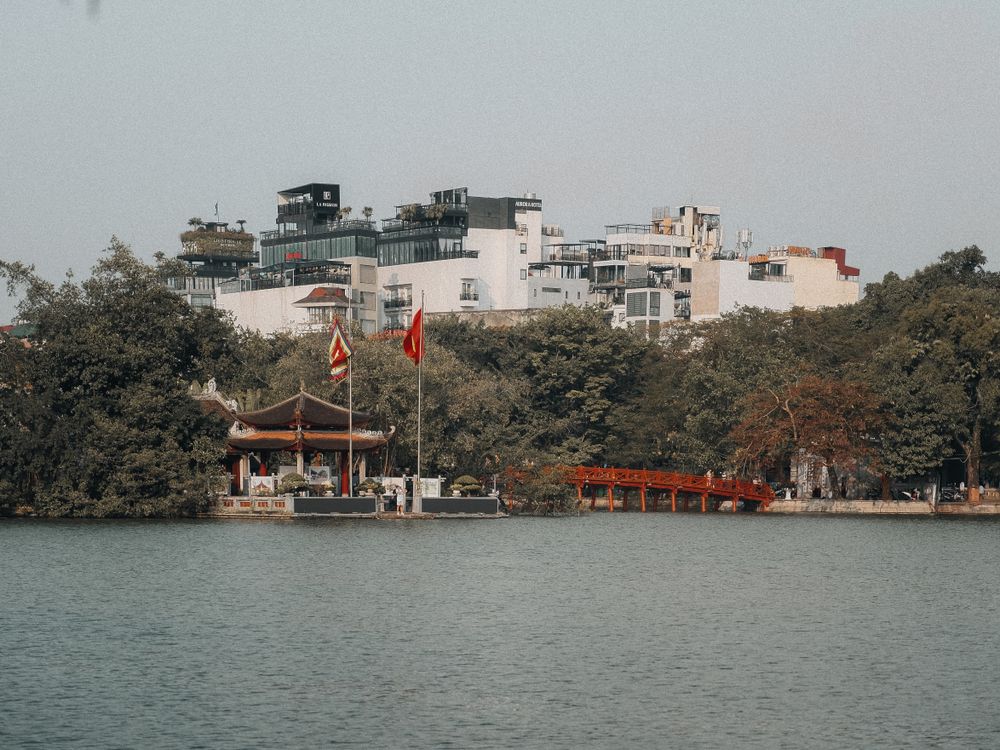
Hanoi is Vietnam's capital, and it feels like it — a thousand years old, a little chaotic, and completely itself.
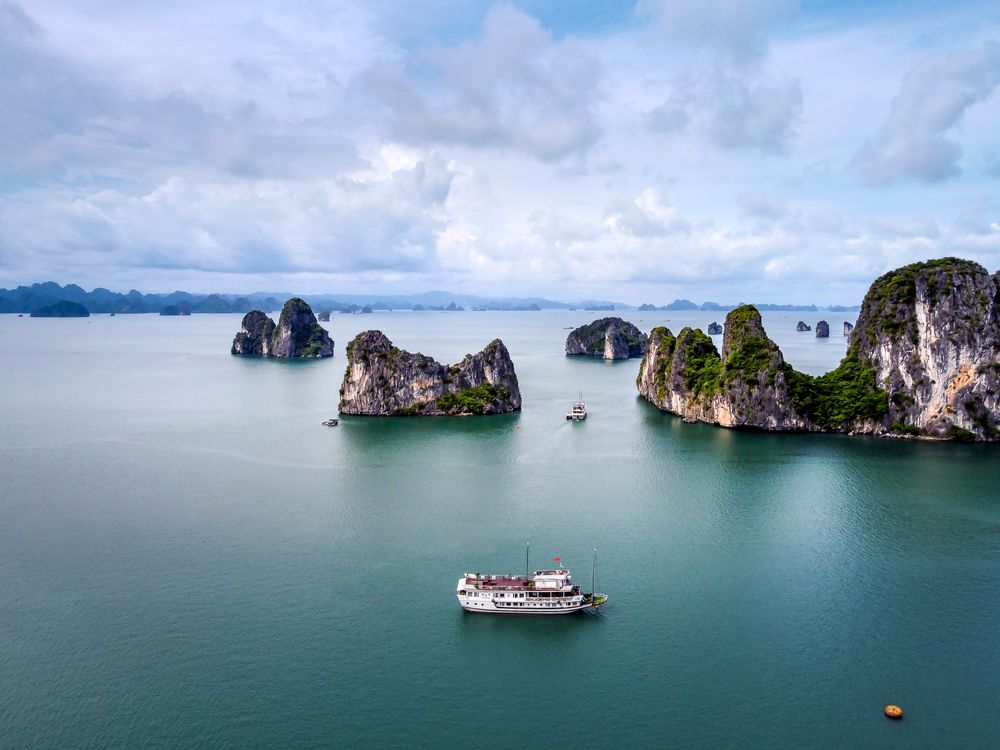
Ha Long Bay is the postcard of Vietnam: nearly 2,000 limestone islands rising out of emerald water in the Gulf of Tonkin, about 170 km east of Hanoi.
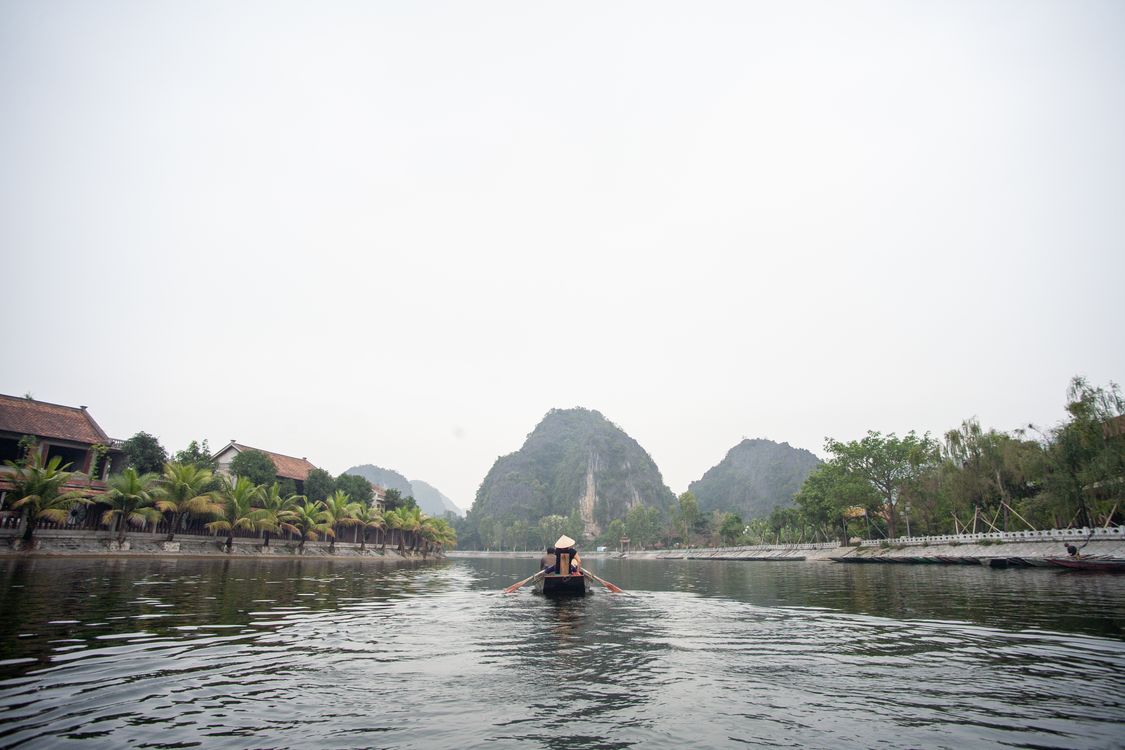
Ninh Binh sits about 95-100 km south of Hanoi, on the southern edge of the Red River Delta.
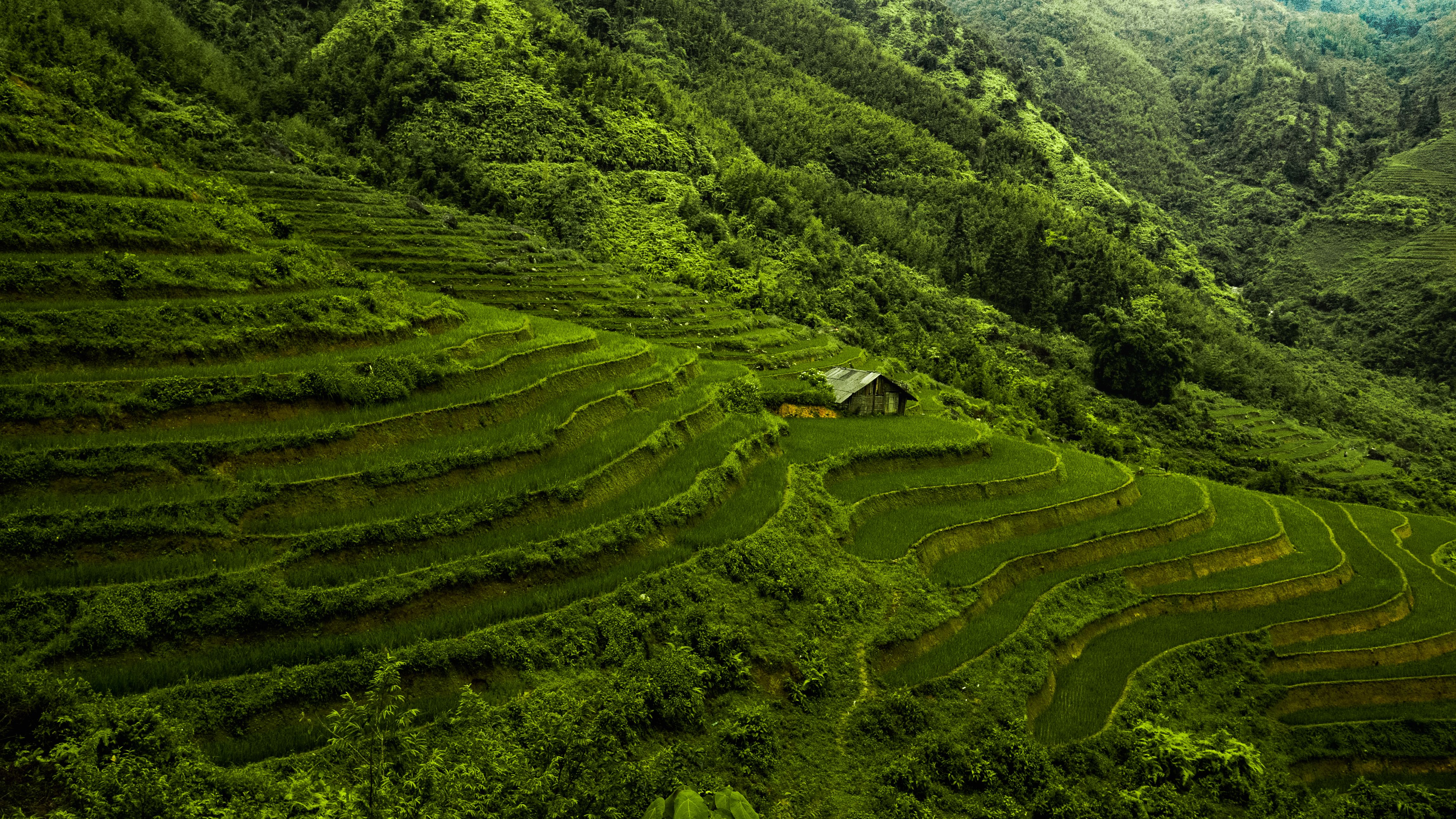
Sa Pa sits high in the Hoang Lien Son mountains of north-west Vietnam, about 320 km from Hanoi, near the Chinese border.
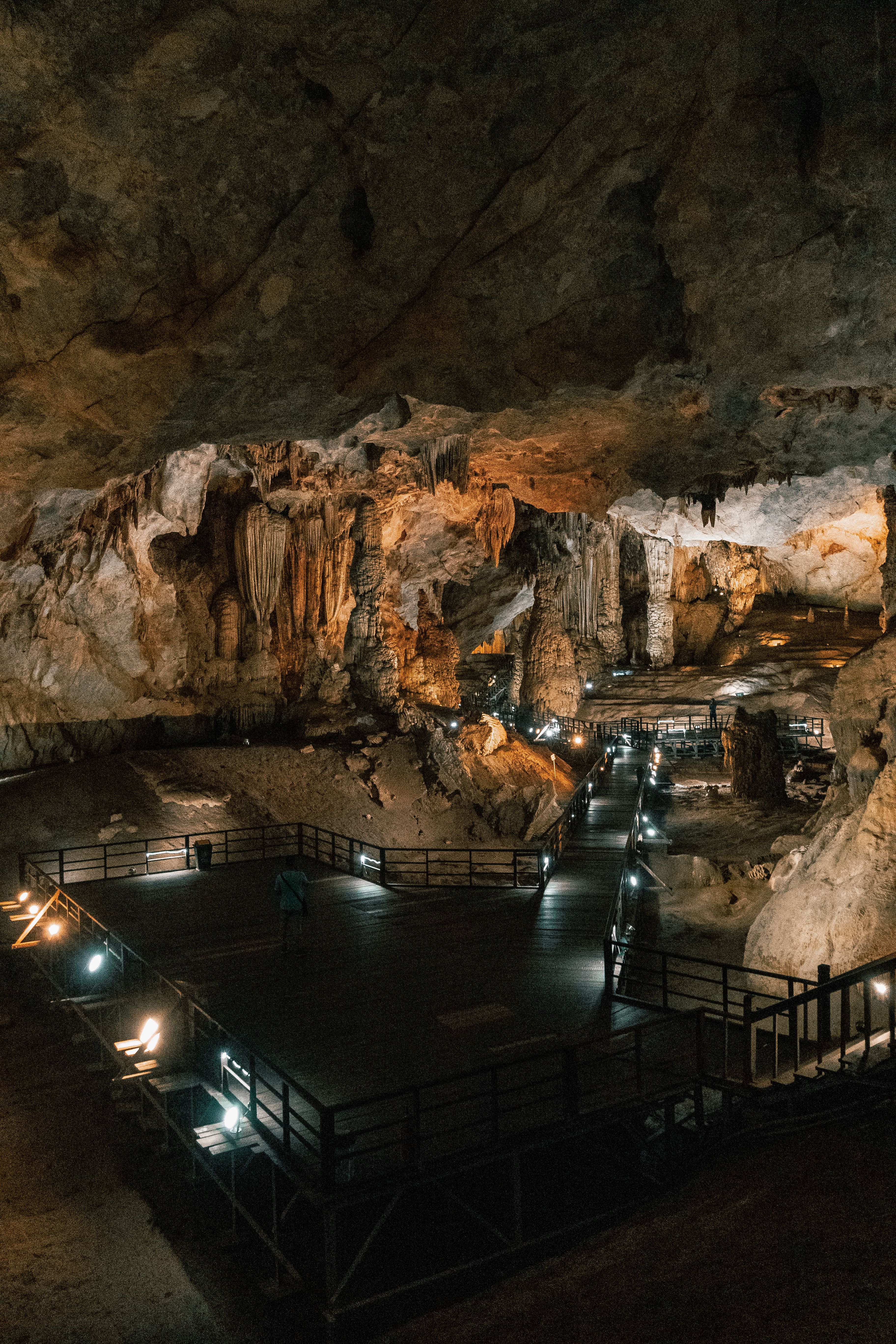
Phong Nha is a small, sleepy town on the Son River in central Vietnam, and the gateway to Phong Nha-Ke Bang National Park — a UNESCO World Heritage site and one of the great cave landscapes on Earth.
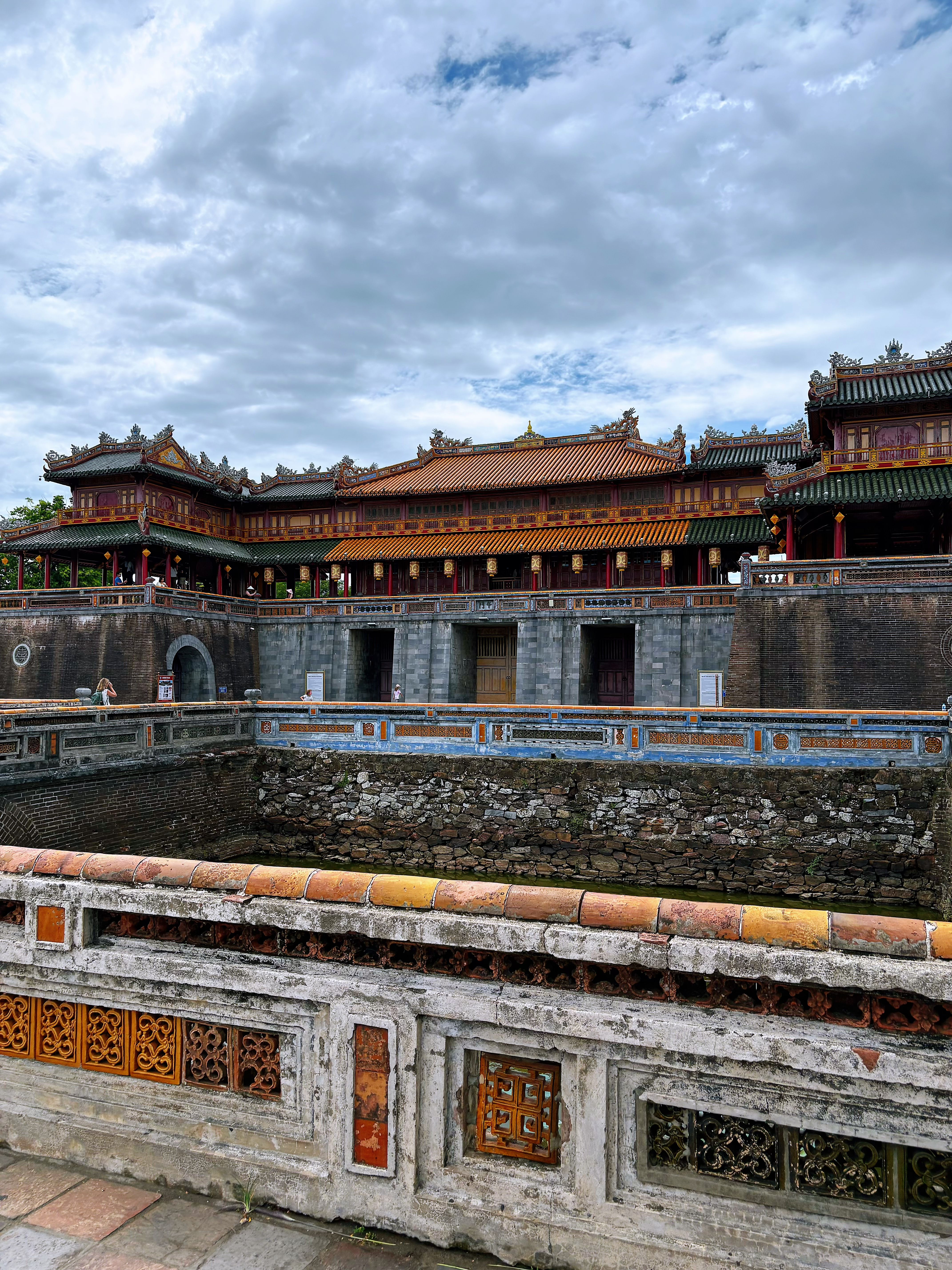
Hue is Vietnam's old imperial capital — slower, quieter and more graceful than Hanoi or Ho Chi Minh City.