Hanoi Railway Station station
Tip: Overnight trains leave late evening; arrive at the station 30 minutes early.
Open in Google MapsPrices checked November 2026. If a price at the ticket counter differs from this guide, the counter price is the one that counts.

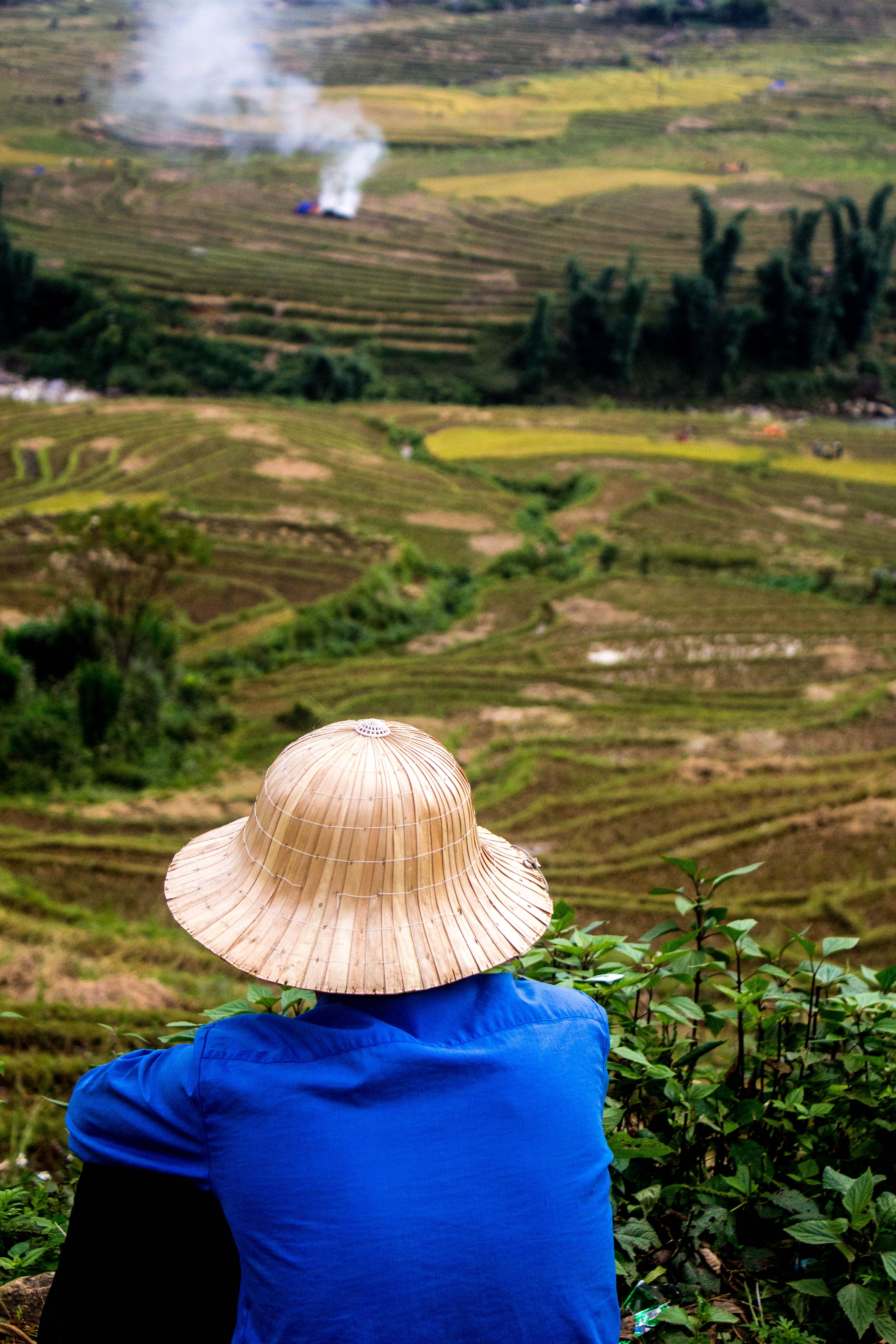
Sa Pa sits high in the Hoang Lien Son mountains of north-west Vietnam, about 320 km from Hanoi, near the Chinese border. It is famous for three things: the stepped rice terraces that turn gold in September, the cool mountain air that feels like a different country from steamy Hanoi, and Fansipan — at 3,143 m, the highest peak in Vietnam and all of Indochina.
This is a walking destination. The town itself is small and busy, full of hotels, cafes and trekking agencies, but the real Sa Pa is out in the valleys: Black Hmong and Red Dao villages, buffalo, indigo cloth drying on lines, and trails that drop from misty ridges into green valley floors. Come for 2–3 days. One day is enough to ride the Fansipan cable car and walk to Cat Cat, but the valley treks are what you will remember, and they need a second day.
The best months are September to November, when the rice ripens gold and the skies clear after the rains, and March to May, when the weather is mild and the valleys are green. December to February is cold and foggy — atmospheric, but you may see nothing from the viewpoints. June to August is warm and wet, with sudden downpours and leeches on the trails.
Sa Pa suits first-timers who want mountains without a multi-day expedition, couples, families with older children, and anyone who likes walking. It is less suited to travellers who struggle with steep steps or who want nightlife — the town quiets down early, and the fog rolls in most evenings.
Getting here: there is no airport in Sa Pa yet. From Hanoi you take a sleeper bus or limousine van (5.5–6.5 hours) direct to town, or an overnight train to Lao Cai followed by a one-hour road transfer up the mountain. Details and prices are in section B.
Prices checked November 2026. Prices are in Vietnamese dong (VND) with a US dollar approximation at 1 USD ≈ 26,000 VND.
Sleeper bus / limousine van from Hanoi — the simplest option. Direct buses run day and night from Hanoi (Old Quarter and My Dinh area) to central Sa Pa. The trip takes 5.5–6.5 hours on the expressway.
Named operators include Sapa Express (cabin sleeper with hotel pickup, 400,000–500,000 VND / ~$15–19, premium cabin about 600,000 VND / ~$23), Interbus Lines (40-bed sleeper and VIP cabin, 330,000–550,000 VND / ~$13–21), Green Bus / G8 Open Tour (sleeper, about 330,000–390,000 VND / ~$13–15), Eco Sapa (limousine van, 500,000–900,000 VND / ~$19–35) and Sao Viet (sleeper, 250,000–380,000 VND / ~$10–15). English-language booking is available on 12go.asia, Baolau and Bookaway. Check on 12Go/Vexere before booking.
Overnight train to Lao Cai + road transfer — the classic option. The train goes to Lao Cai, not to Sa Pa. Trains leave Hanoi station in the evening (around 21:45–22:40) and arrive in Lao Cai early in the morning (around 05:20–06:27), a journey of about 7.5–8 hours. Then take a shared van or taxi up to Sa Pa, about 1 hour.
Private car from Hanoi. About 5 hours direct, roughly 2,500,000–3,500,000 VND (~$96–135) per car one way depending on vehicle size — worth it for a family of four with luggage. Price not verified at the counter; confirm with your hotel or driver before booking.
From Ho Chi Minh City. Fly to Hanoi (about 2 hours), then take the bus or train as above. There is no direct flight to Sa Pa.
Tip: Overnight trains leave late evening; arrive at the station 30 minutes early.
Open in Google MapsTip: Shared vans wait outside the station for each arriving train; agree the price before boarding.
Open in Google MapsSa Pa town is walkable — the centre is compact and most hotels, restaurants and the church square are within a ten-minute walk. The valleys are a different story: trails are steep, and the sights are spread out.
On foot and trekking. The best way to see the valleys. A guided half-day trek costs roughly 300,000–500,000 VND (~$12–19) per person including a local guide; a full-day trek with lunch is roughly 500,000–800,000 VND (~$19–31). Prices vary by group size and season — agree the price and what is included before you set off. Always trek with a local guide in the villages: trails are unmarked, and a guide from the village is also how the money reaches the community.
Motorbike rental. About 150,000–250,000 VND (~$6–10) per day, petrol extra. You need a valid International Driving Permit with your home licence to ride legally, and you must wear a helmet. Mountain roads are steep, foggy and slippery after rain — only ride if you are confident. Check brakes and lights and photograph the bike before you take it.
Taxi and ride-hailing. Grab and Green SM (Xanh SM) both operate in Lao Cai province, though cars can be scarce on foggy evenings. For metered taxis, the nationwide Mai Linh hotline is 1055. Always confirm the fare or ask the driver to use the meter before you set off. A short ride inside town is usually 30,000–60,000 VND (~$1–2). Note: two local sources gave different Lao Cai numbers for Mai Linh, so we only print the national hotline here — see the Unverified section.
Bicycle. A few hotels rent bicycles for about 50,000–80,000 VND (~$2–3) per day. The town is hilly, so cycling suits the valley floor better than the climbs.
Tip: Go only on a clear morning. If the summit is in cloud from town, save your money for another day — the view is the whole point. The cable car takes about 15 minutes; from the top station it is a climb of about 600 steps to the 3,143 m summit marker, or take the summit funicular.
Open in Google MapsTip: The easiest village walk from town — downhill all the way, 2–3 hours with the waterfall and craft stalls. It is the most touristy village, so treat it as a warm-up, not the real thing. Buy tickets only at the official gate and ignore sellers on the road outside.
Open in Google MapsTip: This is the classic Sa Pa trek: rice terraces, a river, Black Hmong villages at Lao Chai and Giay villages at Ta Van. Allow a full day on foot, or half a day by motorbike with stops. Best light is early morning, when mist sits in the valley, and late afternoon, when the terraces turn gold in September.
Open in Google MapsTip: The town's meeting point. On Saturday evenings the square in front fills with local people and a small market — good for photos and people-watching.
Open in Google MapsTip: Two roadside waterfalls on the way to Tram Ton Pass. Love Waterfall needs a short forest walk; Silver Waterfall is visible from the road. Combine both with the pass viewpoint in one half-day by motorbike or taxi.
Open in Google MapsTip: Vietnam's highest mountain road pass, with a famous viewpoint locals call Heaven's Gate. Best at sunset on a clear day. It is cold and windy up here even in summer — bring a jacket.
Open in Google MapsHidden gem — Ta Phin village. About 12 km east of town, home to Red Dao families famous for herbal baths. A soak in a wooden tub of medicinal herbs costs roughly 150,000–200,000 VND (~$6–8) — perfect after a long trek. Go by motorbike or arrange a car through your hotel; the village is much quieter than Cat Cat.
Sa Pa food is mountain food: warming, simple, and built for cold evenings. Must-tries are thang co (a traditional Hmong horse-meat stew, an acquired taste), salmon and sturgeon hotpot — the cold mountain water is ideal for fish farming — grilled pork and corn on the cob from street stalls, and wild vegetables stir-fried with garlic. The town also has good Vietnamese coffee and a growing cafe scene for slow foggy mornings.
Vegetarian travellers will manage fine: most restaurants do tofu, mushrooms and vegetable hotpot, but say clearly "I eat vegetarian, no meat, no fish sauce" (see section L), because fish sauce hides in many vegetable dishes. Peanuts appear in sauces and salads — flag allergies clearly.
Tip: A reliable upmarket pick in the town centre for Hmong-inspired dishes and good wine. Book ahead on weekends.
Open in Google MapsTip: Popular with travellers for salmon hotpot and grilled dishes. Go early — it fills up by 19:00.
Open in Google MapsTip: Best for grilled skewers, corn and sticky rice. Eat where locals are queuing, and carry small notes.
Open in Google MapsDrink the bottled water, not tap water. Ice in larger restaurants is factory-made and generally safe; in tiny stalls, skip it if you are unsure.
Stay in the town centre if it is your first visit — everything is walkable, and buses and treks pick up from your hotel. Stay in Ta Van or Lao Chai if you want to wake up in the valley; homestays there are simpler but the setting is unbeatable. Book ahead for September–November weekends.
Tip: The town's grandest hotel, in a French-colonial style building on the main street. Best for a splurge or honeymoon.
Open in Google MapsTip: Hillside bungalows with valley views, a short drive from the centre. Ask for a valley-facing room.
Open in Google MapsTip: Book through a trekking company so the family expects you. Rooms are simple — a mattress, blankets and a shared bathroom — but the welcome is warm. Bring a warm layer: valley nights are cold.
Open in Google MapsBudget hostels in town run roughly 150,000–400,000 VND (~$6–15) for a dorm bed or basic private room. Mid-range hotels in the centre run roughly 600,000–1,500,000 VND (~$23–58) per night.
Compare rooms on the official homepages of Agoda (https://www.agoda.com) and Booking.com (https://www.booking.com) — plain links, no discount codes here. Book early for the September golden-rice weekends.
1 day — the highlights. Morning: Fansipan cable car if the sky is clear (if it is foggy, swap in a Cat Cat walk instead). Lunch in town. Afternoon: walk down to Cat Cat village (2–3 hours), then back up by taxi. Evening: hotpot dinner and the Stone Church square.
2 days — the classic. Day 1: arrive, settle in, afternoon Cat Cat village and the church square; dinner of salmon hotpot. Day 2: full-day guided trek through Muong Hoa Valley — Lao Chai to Ta Van — with lunch at a village homestay; evening herbal bath in Ta Phin or a massage in town.
3 days — slow Sa Pa. Days 1–2 as above. Day 3: morning at Fansipan (or a second valley trek to Ta Phin), afternoon motorbike or taxi to Tram Ton Pass, Love Waterfall and Silver Waterfall for sunset, then a last dinner in town before the night bus or train back to Hanoi.
Prices checked November 2026.
| Level | Daily budget (per person) | What it covers |
|---|---|---|
| Backpacker | 600,000–900,000 VND (~$23–35) | Hostel dorm, street food, one valley trek or Cat Cat, local transport |
| Mid-range | 1,200,000–2,000,000 VND (~$46–77) | Mid-range hotel, guided full-day trek, restaurant meals, taxi |
| Comfortable | From 2,500,000 VND (~$96) | High-end hotel, private guide and car, Fansipan with funiculars, spa |
Cash is still king in the villages — homestays, guides and market stalls take cash only. ATMs are in the town centre; withdraw before heading into the valleys. Larger hotels and restaurants accept Visa and Mastercard. Exchange money at banks in town, not from street touts. Keep small notes (10,000–50,000 VND) for tips, snacks and parking.
Emergency numbers (nationwide): Police 113 · Fire 114 · Ambulance 115.
Tip: For anything serious, the nearest well-equipped international-standard hospitals are in Hanoi, about 5–6 hours away. Carry travel insurance that covers mountain evacuation.
Open in Google MapsLocal scams and hassles. The most common is persistent selling: women and children in the villages may follow you offering bracelets and textiles. A polite, firm "No, thank you" once is enough — do not engage in a long negotiation unless you intend to buy. Do not buy from children; if you want to support the community, buy from a village cooperative shop or pay for a guided trek. At the Fansipan ticket area, buy only at the official counter and ignore street resellers.
Mountain safety. Weather changes fast: fog can drop visibility to a few metres in minutes. Do not trek alone on unmarked trails, and tell your hotel where you are going. Trails are slippery after rain — wear shoes with grip, not sandals. At 3,143 m, Fansipan can be cold and windy even in summer; bring a jacket and water.
June to September is the wettest stretch, with July and August each averaging over 400 mm of rain. Trails turn to slick clay, and heavy rain can trigger landslides and flash floods on the mountain roads in and out of Sa Pa — a rockfall blocked National Highway 4D at Ta Phin for several hours in May 2026. Do not trek alone after heavy rain, and ask your hotel or guide about road conditions before you set out. Winter (December–February) is properly cold: average lows of 6–8°C, cold snaps near freezing, frost on the coldest mornings, and fog that can sit over the valley for days. At 3,143 m, Fansipan is cold and windy even in summer. See the full picture on our Seasonal Hazards & Natural Dangers page.
Culture and etiquette. Sa Pa is home to Hmong, Dao, Tay and Giay people, each with their own dress and customs. Always ask before photographing people, especially children and elders — and accept a no gracefully. Do not enter a home or a sacred area uninvited. When visiting a homestay, it is polite to remove your shoes at the door.
Bargaining. Bargain gently for textiles, souvenirs and motorbike rental — start at about half the asking price and meet in the middle, with a smile. Do not bargain for fixed-price tickets, restaurant meals or Grab fares.
Weather and packing. Layers are everything: mornings can be 10°C and afternoons 25°C. Pack a waterproof jacket, warm fleece, walking shoes with grip, sunscreen (the mountain sun is strong even in fog), insect repellent for valley treks, and a small dry bag for your phone. In winter, bring a proper coat — it can drop near freezing and occasionally snows on Fansipan.
When to go. September is the postcard month (golden rice). March–May is green and mild. Avoid the Tet holiday week unless you have booked everything in advance — the town is packed and prices spike.
Sa Pa is easy to do independently — buses, the cable car and the village walks need no tour. A guided trek is the one thing worth paying for, because a local guide opens doors (and homes) you would walk past alone.
Browse day tours and tickets on the official homepages of Klook (https://www.klook.com), GetYourGuide (https://www.getyourguide.com) and Viator (https://www.viator.com) — plain links only.
| Situation | Vietnamese | Pronunciation | Meaning |
|---|---|---|---|
| Hello | Xin chào | sin chao | Hello |
| Thank you | Cảm ơn bạn | gam ern ban | Thank you |
| How much? | Bao nhiêu tiền? | bao nyew tee-en? | How much is it? |
| Too expensive | Đắt quá, giảm giá được không? | dat kwa, yam ya duoc khong? | Too expensive — can you lower the price? |
| No, thank you | Không, cảm ơn | khong, gam ern | No, thank you |
| I eat vegetarian | Tôi ăn chay, không thịt, không nước mắm | toi an chay, khong thit, khong nuoc mam | I eat vegetarian — no meat, no fish sauce |
| Not spicy | Không cay | khong kai | Not spicy |
| Take me to Cat Cat | Cho tôi đi Cát Cát | cho toi dee cat cat | Please take me to Cat Cat |
| Where is the trail? | Đường mòn ở đâu? | duong mon er dau? | Where is the trail? |
| The bill, please | Tính tiền giúp tôi | tin tee-en yup toi | The bill, please |
| Help me! | Giúp tôi với! | yup toi voi! | Help me! |
Photo spots and best light: Muong Hoa Valley at sunrise (mist in the valley, 6:00–7:30); the Fansipan summit on a clear morning before 10:00; Cat Cat waterfall in the late afternoon; Tram Ton Pass at sunset. September golden rice is the best month for terrace photography.
Sa Pa's souvenirs are made by hand in the valleys around town — woven, smoked and brewed by H'Mong and Red Dao families. Buy from the makers when you can: the night market is convenient, but the village workshops are where the real pieces come from.
Brocade (thổ cẩm). The signature Sa Pa gift: scarves, shoulder bags, table runners and jackets woven by Black H'Mong and Red Dao women from hemp and cotton, dyed deep indigo and embroidered with geometric patterns from folklore and harvest cycles. A scarf costs about 100,000–300,000 VND (~$4–12) depending on size and detail. The Sapa O'Chau showroom sells maker-made pieces and the money reaches the artisans; at the night market, check the weave — genuinely handmade pieces are uneven and slightly irregular, while factory copies are perfectly uniform.
Dried buffalo meat (thịt trâu gác bếp). Smoky, chewy strips of buffalo smoked over a wood fire with chili and galangal — the H'Mong jerky that gets travellers through cold mountain evenings. About 50,000–70,000 VND (~$2–3) per 100 g, sold vacuum-packed at the night market with free samples. One caution: many countries ban imported meat, so check your destination's customs rules before you stock up.
Tao meo wine (rượu táo mèo). A sharp, warming wine made from wild tao meo apples (also called Assam apples) that grow on the Hoang Lien mountains. Sold in bottles at the night market — a good gift for anyone who likes a strong drink with a story.
Tip: A social enterprise run by H'Mong people — the most reliable place in town for authentic, maker-made brocade. The cafe upstairs is a good meeting point for treks.
Open in Google MapsTip: The easiest one-stop souvenir shop in town: smoked meats, dried fruit, forest honey, tao meo wine, brocade and silver. Taste the free samples before you buy, and haggle gently. Most of the goods here are mass-produced, so save serious brocade shopping for the village workshops or the O'Chau showroom.
Open in Google MapsCat Cat Village — Black H'Mong weaving, indigo dyeing and silverwork. The closest village to town, about 2–3 km downhill from the Stone Church, and the easiest introduction to H'Mong craft. Cat Cat was founded in the mid-19th century by Black H'Mong families who still grow hemp and cotton, spin the fibre, dye cloth deep indigo, and hand-stitch floral patterns — you can watch each stage in the craft houses along the cobbled path, along with silversmiths making jewellery and combs. There is also a waterfall, traditional wooden houses and folk performances through the day. It is the most touristy village around Sa Pa — paved paths, ticket gate, stalls everywhere — so treat it as a warm-up, not the real thing. Go early, before the tour groups arrive.
Ta Phin Village — Red Dao embroidery and brocade. About 12 km north-east of town, Ta Phin is the quieter, more genuine craft village: Red Dao women embroider dense geometric patterns in red, yellow, white and green onto dark cotton, a skill that takes years to master, and many still work on their needlework in the doorways of their houses. Unlike Cat Cat there is no ticket gate — it is a living village, and the best pieces are bought directly from the women making them. Your guide can help you find genuine handmade work and a fair price. The village is also famous for its herbal baths (see section P).
Telling real from market goods. Handmade brocade is slightly uneven, with small irregularities in the weave and natural indigo that smells faintly of leaves; factory copies are perfectly uniform and the colours are flat. Hand-embroidered pieces take days to make and cost more than printed imitations — if the price seems too good, it is not handmade. Buy from a craft house or a cooperative shop, not from children following you on the trail.
Tip: Walk down from town (30–45 minutes, downhill) and take a motorbike taxi back up — the return climb is steep. Buy tickets only at the official gate and ignore sellers on the road outside.
Open in Google MapsTip: Go with a local guide — the village is spread out, and a guide knows which houses welcome visitors and sell genuine embroidery. Ask before photographing people.
Open in Google MapsTrek the Muong Hoa Valley and sleep in a Ta Van homestay. The classic Sa Pa experience, and still the best one: a full day on foot through the terraces from Lao Chai (Black H'Mong) to Ta Van (Giay), with a local guide from the valley, lunch at a village home, and a night in a family homestay — dinner cooked in the family kitchen, breakfast before the mist lifts. A full-day guided trek with lunch costs roughly 500,000–800,000 VND (~$19–31) per person; a homestay night costs roughly 200,000–500,000 VND (~$8–19) per person including dinner and breakfast. Book through a licensed operator in town — Sapa O'Chau (sapaochau.org) is a H'Mong-run social enterprise and a good choice — or ask your hotel to arrange a village guide. Agree the price and what is included before you set off. Cultural notes: remove your shoes at the door, ask before photographing people (especially children and elders), and do not enter a home or sacred area uninvited. Bring cash — villages take cash only.
Trek to Ta Phin and take a Red Dao herbal bath. A quieter day: walk or drive out to Ta Phin (see section O), watch Red Dao women embroider, then soak in a wooden tub of medicinal herbs — 10 to 120 forest plants boiled into a dark, fragrant bath, traditionally used to restore strength after childbirth or a hard day in the fields. A bath costs roughly 150,000–200,000 VND (~$6–8). Stay the night in a Red Dao homestay if you have time: the valley is peaceful after the day-trippers leave, and the family dinner is the point. Book through your hotel or a trekking operator in town; several family homes in the village offer baths and rooms directly. Bring swimwear and a towel.
Tip: Stay in the valley rather than town if you want to wake up in the terraces. Book ahead for September–November weekends, and withdraw cash in town first.
Open in Google MapsDownload these before you travel:
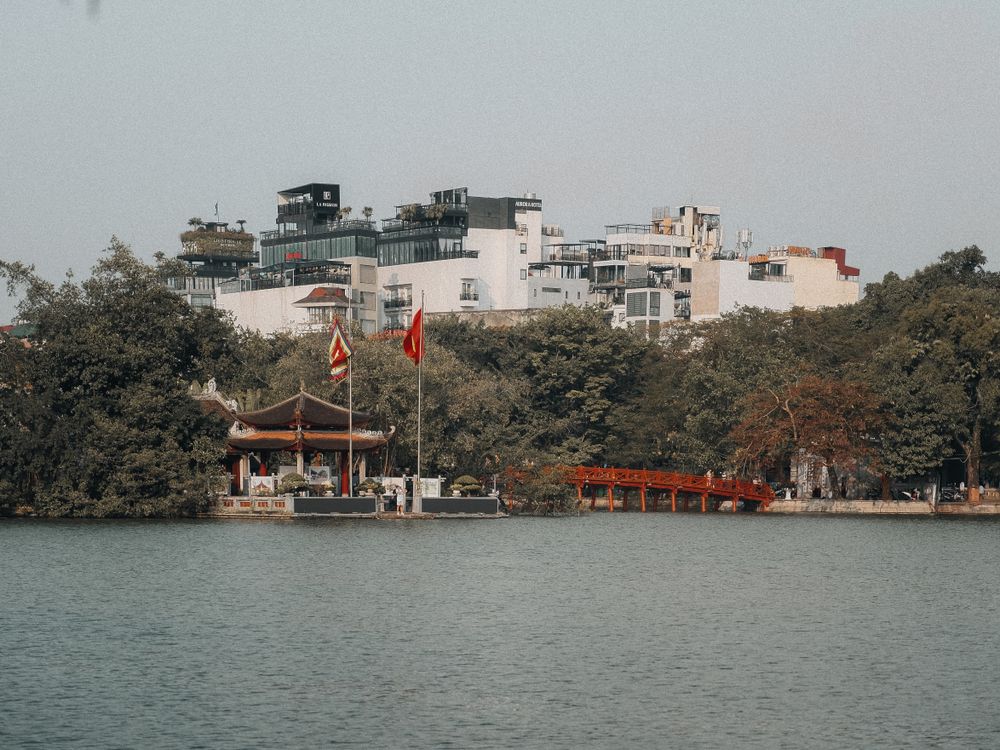
Hanoi is Vietnam's capital, and it feels like it — a thousand years old, a little chaotic, and completely itself.

Ha Long Bay is the postcard of Vietnam: nearly 2,000 limestone islands rising out of emerald water in the Gulf of Tonkin, about 170 km east of Hanoi.
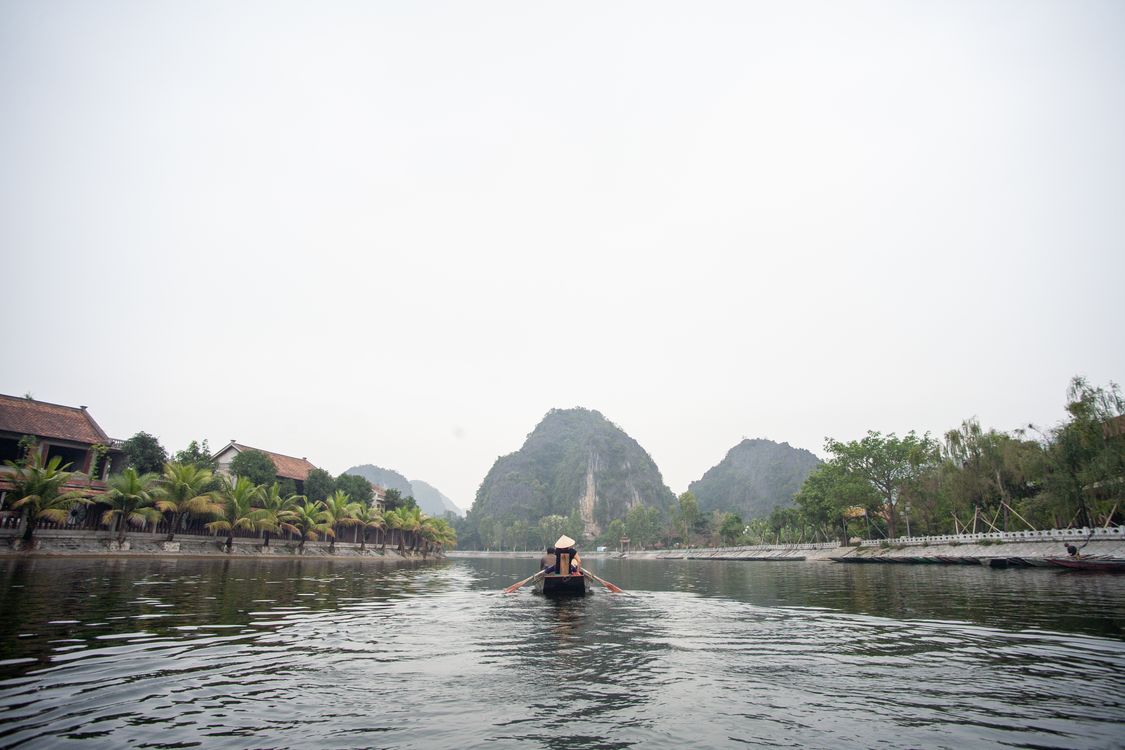
Ninh Binh sits about 95-100 km south of Hanoi, on the southern edge of the Red River Delta.
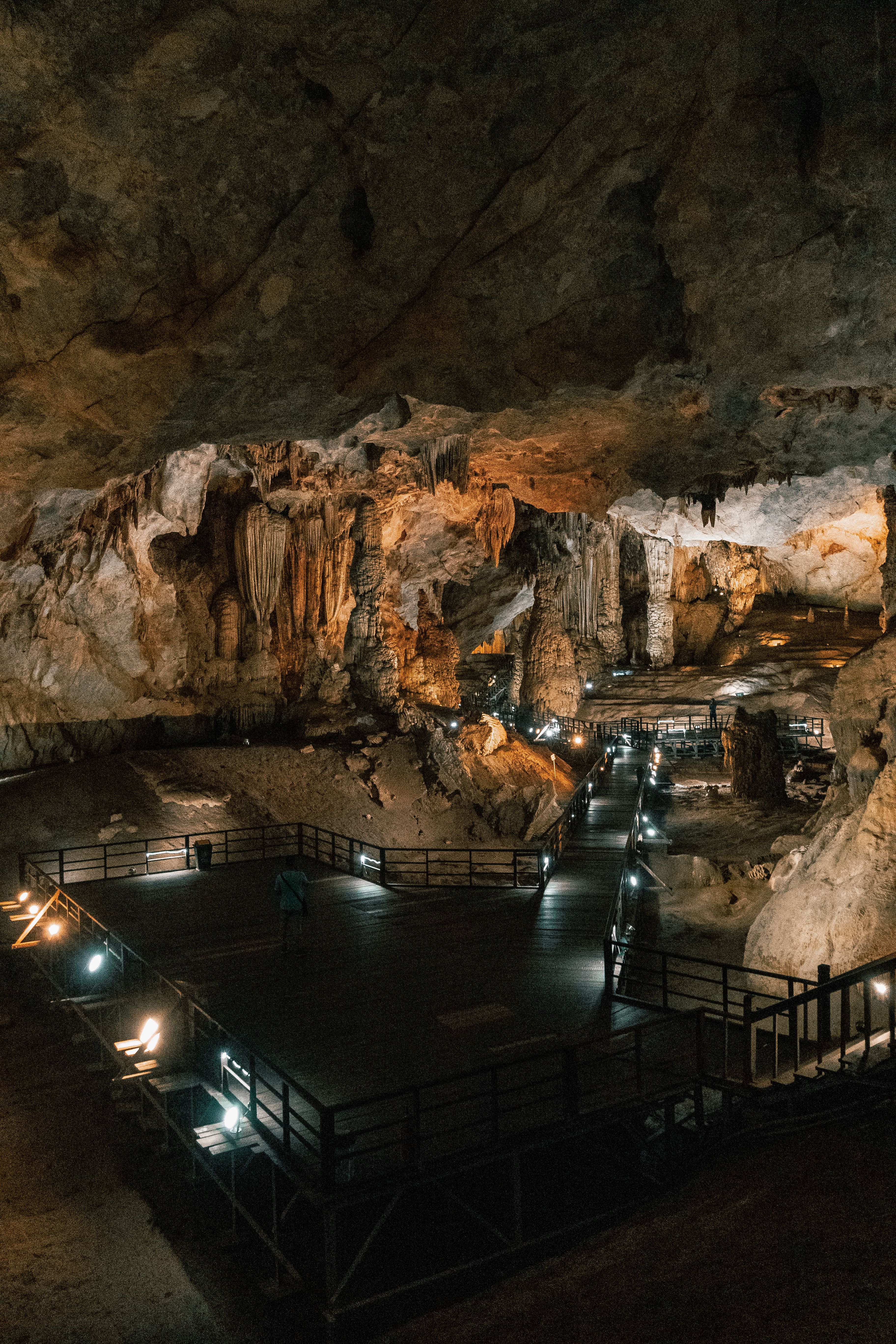
Phong Nha is a small, sleepy town on the Son River in central Vietnam, and the gateway to Phong Nha-Ke Bang National Park — a UNESCO World Heritage site and one of the great cave landscapes on Earth.

Hue is Vietnam's old imperial capital — slower, quieter and more graceful than Hanoi or Ho Chi Minh City.
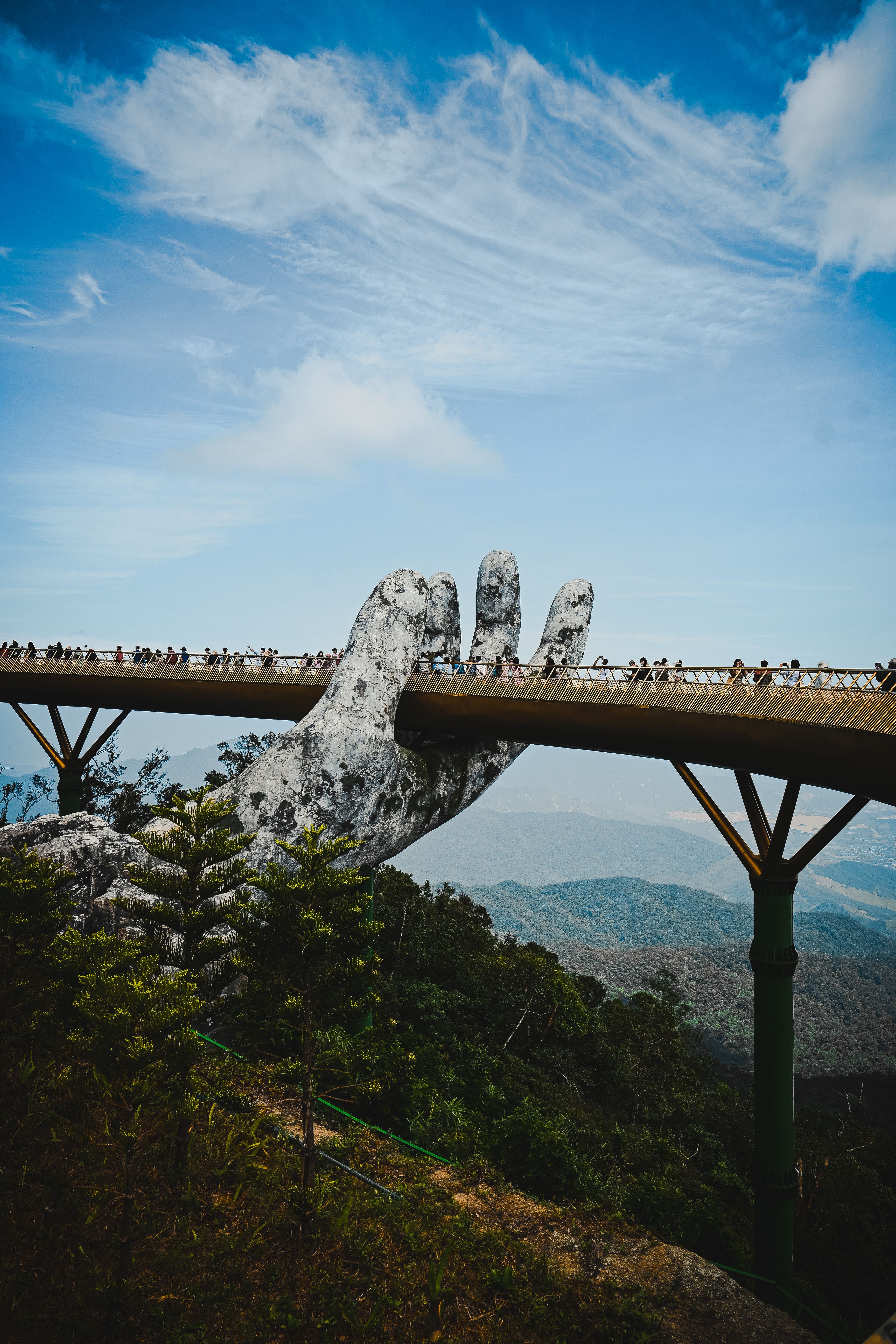
Da Nang sits on Vietnam's central coast, where the Han River meets the South China Sea.