Phu Bai International Airport station
Tip: Agree the taxi price before you get in, or book a Grab. The minibus drops off at the main hotels — ask the driver if yours is on the route.
Open in Google MapsPrices checked November 2026. If a price at the ticket counter differs from this guide, the counter price is the one that counts.
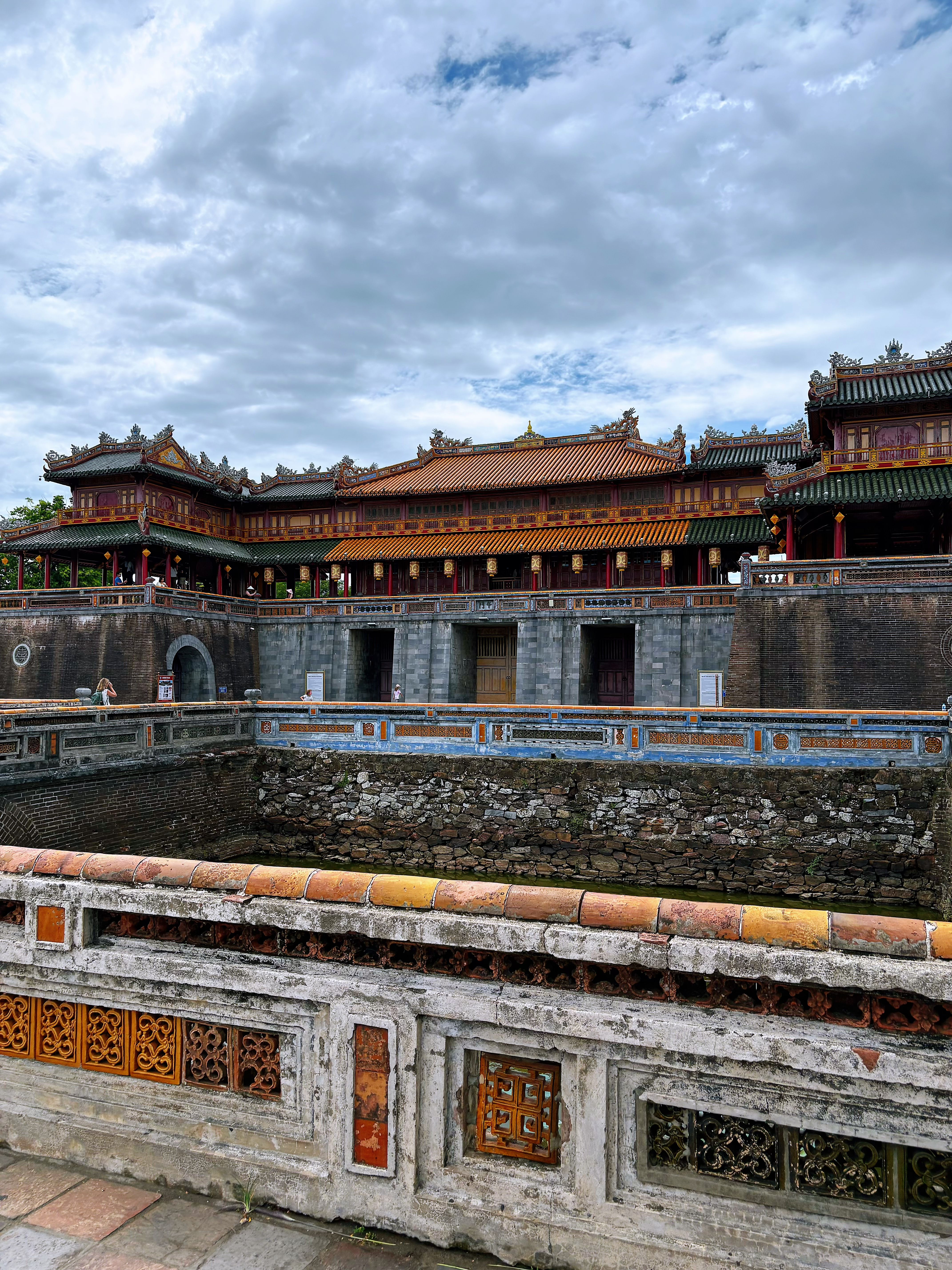
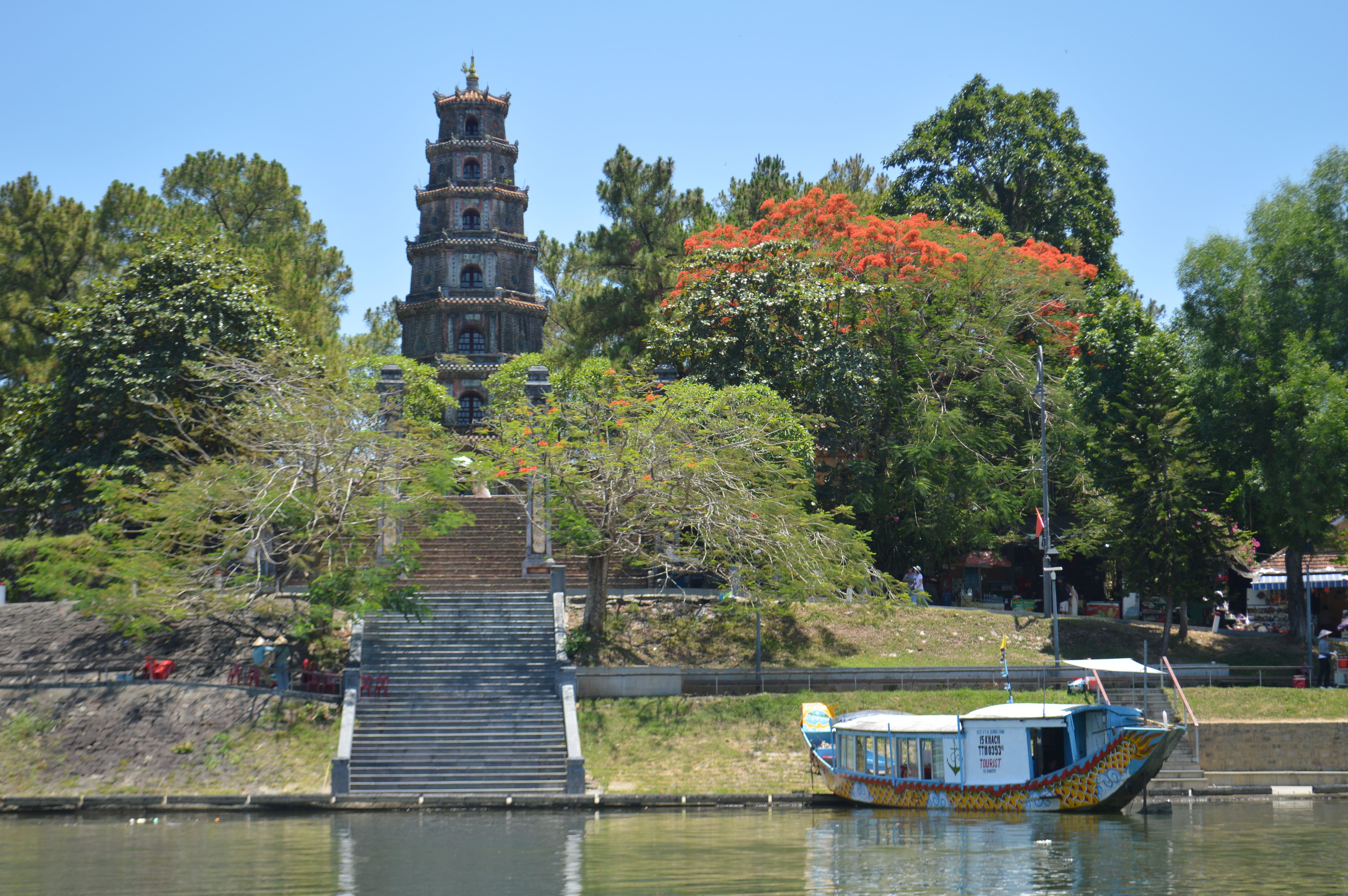
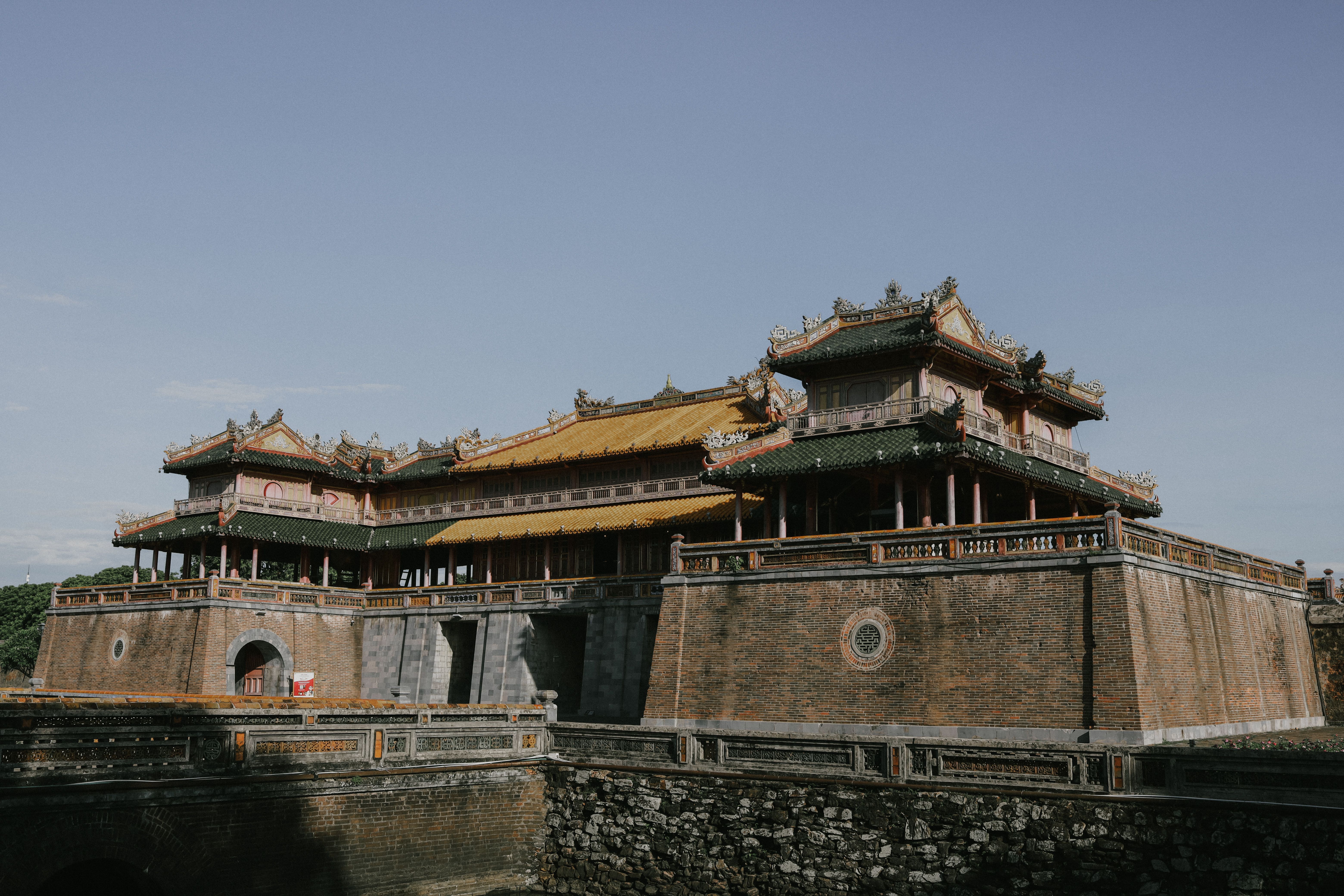
Hue is Vietnam's old imperial capital — slower, quieter and more graceful than Hanoi or Ho Chi Minh City. For 143 years the Nguyen emperors ruled from the walled Imperial City on the Perfume River, and their palaces, tombs and pagodas are still here: grand, weathered, and far less crowded than the country's other big sights. Hue is the place to come when you want history, food and river light rather than beaches and nightlife.
Give Hue 2–3 days: one for the Imperial City, one for the royal tombs and Thien Mu Pagoda, and a third for the countryside, the food, or a slow boat on the Perfume River. The best weather is February to August — dry and warm. October and November bring heavy rain and floods; the city can flood badly in those months, so check conditions before you travel then. Hue suits history lovers, food lovers (bun bo Hue was born here), couples, and anyone travelling between Da Nang and the north who wants a gentler stop. Prices checked November 2026.
By plane. Phu Bai International Airport is about 14–15 km south of the city centre, a 25–30 minute drive. Vietnam Airlines, VietJet Air and Bamboo Airways fly from Hanoi and Ho Chi Minh City. Fares change with the season, so check prices when you book — there is no fixed fare to quote here.
Tip: Agree the taxi price before you get in, or book a Grab. The minibus drops off at the main hotels — ask the driver if yours is on the route.
Open in Google MapsBy train. Hue Railway Station is on the main north–south line, a short walk from the city centre. The most popular ride is the train to Da Nang: 2.5–3 hours over the Hai Van Pass, 100,000–250,000 VND (~$4–10). Sit on the sea side (left, going south) for the coastal views. Trains also run to Hanoi and Ho Chi Minh City daily; check schedules and fares on the Vietnam Railways booking site before you travel.
Tip: The station is a handsome French colonial building from 1906. Book the daytime SE19/SE20 services for the Hai Van Pass views.
Open in Google MapsBy bus or car. Sleeper buses run overnight from Hanoi (about 12–14 hours) and Ho Chi Minh City (about 18–20 hours). From Da Nang, a limousine van takes 2–3 hours and costs roughly $6–14 per seat; a private car costs about 1,000,000–1,500,000 VND (~$38–58).
Named sleeper operators from Hanoi include Camel Travel (sleeper 400,000–500,000 VND / ~$15–19; single cabin 450,000–600,000 VND / ~$17–23; double cabin 900,000 VND / ~$35), Queen Cafe (about 450,000 VND / ~$17), Hoang Long (from 350,000 VND / ~$13), and The Sinh Tourist and Green Trips (350,000–500,000 VND / ~$13–19). Check on 12Go/Vexere before booking.
Hue is compact and flat, and the main sights cluster around the river. Grab works well here for cars and motorbikes, and prices are shown up front. Cyclos (pedicabs) wait around the Imperial City and the tourist streets — agree the price and the route before you get on, and expect to pay by the hour. Bicycles are a lovely way to explore the river road and the tombs; rentals are available at most hotels.
No verified Hue-specific taxi number found — use Grab, or ask your hotel to call a local company for you. A Grab across the city centre usually costs 30,000–60,000 VND (~$1.15–2.30). Motorbike rental costs about 150,000–200,000 VND (~$6–8) per day; you legally need an International Driving Permit with a motorbike endorsement, and a helmet is mandatory.
Tip: The Citadel is huge — allow at least 3 hours, and come early for the changing of the guard at Ngo Mon Gate around 08:00. The Thai Hoa Palace restoration was completed in 2025 and is open again. E-tickets are available at eticket.hueworldheritage.org.vn. The combo ticket is the best value if you plan to visit the tombs.
Open in Google MapsTip: The most romantic of the tombs — a lakeside garden of pavilions, pine trees and lotus ponds, built by the emperor for himself in 1867. Go in the late afternoon, when the light is golden and the crowds have gone.
Open in Google MapsTip: The most formal and symmetrical of the tombs — a straight axis of courtyards, lakes and pavilions built in 1840–1843. The bridge over the lake to the emperor's burial mound is the classic photo.
Open in Google MapsTip: The most unusual tomb — a steep climb to a concrete palace covered in glass and porcelain mosaics, part Vietnamese, part French, part Art Deco. The interior is dark and glittering; it is worth the climb.
Open in Google MapsTip: Hue's unofficial symbol — the seven-storey Phuoc Duyen tower, built in 1601, on a pine-covered hill above the river. Come in the early morning for the quiet, or at sunset. Dress modestly; this is an active pagoda.
Open in Google MapsTip: The classic Hue experience: a slow dragon boat up the river to Thien Mu Pagoda (30–45 minutes each way). Sunset cruises are the prettiest. Agree the price, the duration and whether the return is included before you step on board.
Open in Google MapsTip: Hue's biggest market since 1899 — food, fabric, conical hats and souvenirs under one roof. The food stalls at the back are a good place to try Hue's small cakes (banh beo, banh khoai) for a few thousand dong each.
Open in Google MapsHue's food is the most refined in Vietnam — the old imperial court demanded small, beautiful, complex dishes, and the city still cooks that way. Bun bo Hue (spicy beef noodle soup with lemongrass) is the dish the city is famous for. Com hen (clam rice) is the cheap, punchy local lunch. And the city's banh beo (tiny steamed rice cakes) and banh khoai (crispy pancakes) are the snacks to graze on between sights.
Tip: The most famous bun bo Hue in the city, and a morning-only affair. Come early, order a bowl with everything, and eat it the way the regulars do: fast, hot, and with plenty of fresh herbs.
Open in Google MapsTip: Phone: +84 234 3931 762. A reliable all-day option for bun bo Hue on the main riverfront street — good when you miss the morning-only shops.
Open in Google MapsTip: Com hen — rice with tiny river clams, peanuts, herbs and a spoonful of chilli — is Hue's working-class lunch. It is salty, spicy and addictive. Ask for "it cay" (less spicy) if you are not used to Hue chilli.
Open in Google MapsTip: Banh khoai is Hue's crispy pancake — smaller and thicker than the southern banh xeo, filled with pork and shrimp. Eat it with the peanut dipping sauce, and order the banh beo (tiny steamed rice cakes) on the side.
Open in Google MapsTip: Banh beo are delicate little steamed rice cakes topped with dried shrimp and crackling, served in stacks of small dishes. A proper Hue snack — order two plates, not one.
Open in Google MapsTip: Hue has a strong Buddhist vegetarian tradition, and this is one of the city's best-known vegetarian restaurants. The vegetarian bun bo Hue is a revelation — ask for it by name.
Open in Google MapsVegetarian and allergies: Hue is one of the best cities in Vietnam for vegetarians, thanks to its Buddhist tradition — many restaurants serve a full vegetarian menu, especially on the 1st and 15th days of the lunar month. Peanut and shellfish allergies need care: com hen is built on clams, and banh khoai comes with peanut sauce. Say "Toi bi di ung" (I am allergic) and name the ingredient — see section L.
Stay on Le Loi Street or nearby, on the south bank of the Perfume River — it is the main hotel street, a short walk from the riverfront, the night walking street and the restaurants, and a short ride to the Citadel across the river.
Tip: High-end, in a restored 1930s colonial mansion on the river — the most atmospheric stay in Hue, and the pool looks out over the Perfume River. (Note: some older listings give 26 Le Loi; the correct address is 5 Le Loi.)
Open in Google MapsMid-range and budget hotels line Le Loi Street and the streets behind it. Compare prices on Agoda (https://www.agoda.com) and Booking.com (https://www.booking.com) — rates change by season, and the same room can differ by 20–30% between the two sites. Book early for February–April, the busiest months.
1 day — the Imperial City. Morning: the Imperial City (arrive at opening, allow 3 hours). Lunch: bun bo Hue at Me Keo or Quan Cam. Afternoon: Thien Mu Pagoda by dragon boat, then Dong Ba Market. Evening: dinner on Le Loi Street and a walk along the riverfront.
2 days — add the tombs. Day 1 as above. Day 2: morning at the Tomb of Tu Duc and the Tomb of Minh Mang, lunch of com hen, afternoon at the Tomb of Khai Dinh, evening at a vegetarian restaurant.
3 days — add the countryside. Day 3: a morning cycling along the river road to the villages, an afternoon at a local cooking class or a spa, and a final sunset boat on the Perfume River.
Prices checked November 2026. 1 USD ≈ 26,000 VND.
ATMs are plentiful on Le Loi Street and around the Citadel; most accept foreign cards and charge 20,000–50,000 VND (~$0.80–1.90) per withdrawal. Cards work in hotels and larger restaurants, but street food, markets, cyclos and boat rides are cash-only. Bring small notes — a 500,000 VND bill is hard to break at a bun bo stall. Currency exchange is available at banks on Le Loi Street; avoid the airport exchange counters, whose rates are poor.
Tip: Phone: 0234 3822 325. This is the city's main hospital, right on the hotel street. For international-standard care, ask your hotel about the International Medical Center (3 Ngo Quyen Street, phone 0234 3890 888).
Open in Google MapsScams and risks to watch for: Cyclo drivers who agree one price and demand another at the end — agree the price and the route in writing if you can. Boat operators who add "fees" mid-river — agree the full price before boarding. Flooding: October and November bring heavy rain, and Hue floods more than any other city in central Vietnam. If the river is high, check with your hotel before going out, and do not drive through flooded streets.
October and November bring the heaviest rain and the main flood risk — the Perfume River can rise by several metres, with the south bank flooding first. The Hai Van Pass between Hue and Da Nang is foggy in rain and carries a landslide risk after heavy rain; ride it on a clear day, and avoid it from October to December. The best window for Hue is March to August. See the full picture on our Seasonal Hazards & Natural Dangers page.
Seasons: February to August is dry and sunny, 28–35°C. September to December is the rainy season; October–November can bring floods that close roads and the Citadel for a day or two. January is cooler (20–25°C) and pleasant.
Culture and etiquette: Dress modestly at pagodas, temples and the Imperial City's inner halls — cover shoulders and knees. Remove shoes when entering a temple hall or someone's home. Hue people are famously polite and soft-spoken; a gentle tone and a smile will get you further than loud bargaining. Pointing with feet is rude; so is touching someone's head.
Bargaining: Expected at Dong Ba Market and with cyclo drivers, not in restaurants or shops with price tags. Stay friendly, start at about half, and accept the deal with a smile.
What to pack: Sunscreen, a hat, comfortable walking shoes (the Citadel is big and the tomb steps are steep), a rain jacket in the wet season, and a light layer for cool January evenings.
For day trips and tickets, check the official homepages of Klook (https://www.klook.com), GetYourGuide (https://www.getyourguide.com) and Viator (https://www.viator.com). Popular bookable options include the Imperial City and tombs combo ticket, a Perfume River sunset cruise, a Hue street-food tour, and a day trip from Hue to Da Nang over the Hai Van Pass. Compare prices across the three sites — the same tour often appears on all of them at slightly different prices. No affiliate links are used on this site.
Hue's souvenirs are the gentlest in Vietnam — sesame sweets, sour shrimp and poetry hats — and almost all of them are sold in one place: Dong Ba Market (Place block in Section D), the city's oldest market on the north bank of the Perfume River. The food stalls are on the ground floor; handicrafts and souvenirs are upstairs. Bargain politely, and buy food gifts in sealed packs.
Me xung is the souvenir most associated with Hue: roasted sesame seeds, peanuts, malt syrup and sugar pressed into a chewy, lightly sweet candy, sometimes wrapped in rice paper, in chewy and crisp versions. It keeps well, costs very little, and is the gift every Hue family sends to relatives. The well-known local makers are Thien Huong (20 Chi Lang Street) and Nam Thuan (135 Huynh Thuc Khang Street), but the easiest place to buy it is the food section of Dong Ba Market.
Tom chua is Hue's fermented shrimp: small shrimps fermented with garlic, chilli, galangal and sticky rice wine until sour, salty and fragrant. Locals eat it with boiled pork and herbs. It is sold in jars that travel well — but it is a fermented product with a strong smell, so pack it in a sealed bag and check your airline's rules for liquids and food.
The poem hat is Hue's most poetic souvenir: a conical hat woven from palm leaves with a poem or a picture of the Perfume River, Truong Tien Bridge or a pagoda hidden between two layers of leaf — invisible until you hold it up to the light. Ordinary conical hats are cheap and everywhere; the poem hat is the Hue version, made in Phu Cam Village (see Section O).
Thuy Xuan, about 7 km southwest of the city centre on the way to the royal tombs, has made incense for centuries — it once supplied the Nguyen court. The village street is famous for its bundles of incense sticks in bright colours (yellow, red, green, purple) drying in the sun, and it is one of the most photographed streets in Hue. Walk in, watch the artisans roll, dye and dry the sticks by hand, and buy a bundle directly from a maker. Some shops also rent ao dai for photos (about 50,000-70,000 VND, ~$2-3).
Tip: Go in the morning for the best light on the coloured incense and the fewest tour groups. Ask before photographing inside a family's workshop — a small purchase is the polite thank-you.
Open in Google MapsPhu Cam, on the southern bank of the An Cuu River in Phuoc Vinh Ward, has made conical hats since the 17th century and invented the poem hat: artisans slip coloured paper with poems or pictures between two layers of palm leaf, so the verse appears only in sunlight. The village is small and quiet — fewer than 50 active artisans — and you can watch the whole process: splitting bamboo for the 16-brim frame, drying and ironing the leaves, and sewing the hat with fine thread. It is a 15-minute walk from the Citadel area.
Tip: Hold the hat up to the light before you buy — that is how you check the hidden poem is really there. A poem hat with no poem visible in sunlight is not a poem hat, whatever the price.
Open in Google MapsUseful apps for your Hue trip — download before you arrive:
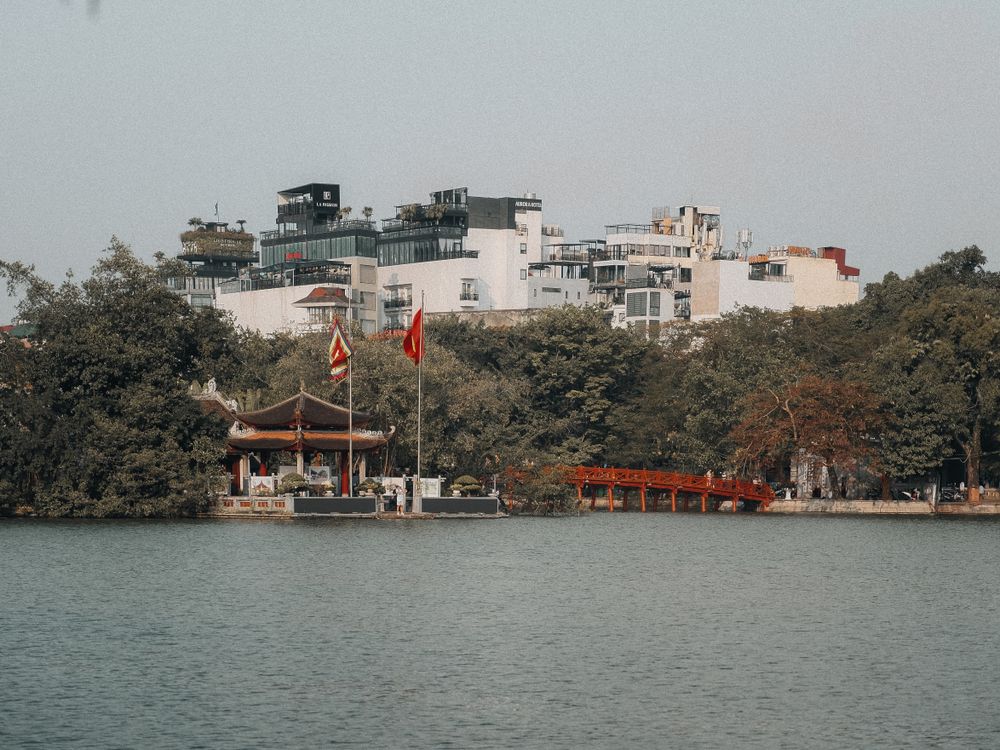
Hanoi is Vietnam's capital, and it feels like it — a thousand years old, a little chaotic, and completely itself.

Ha Long Bay is the postcard of Vietnam: nearly 2,000 limestone islands rising out of emerald water in the Gulf of Tonkin, about 170 km east of Hanoi.
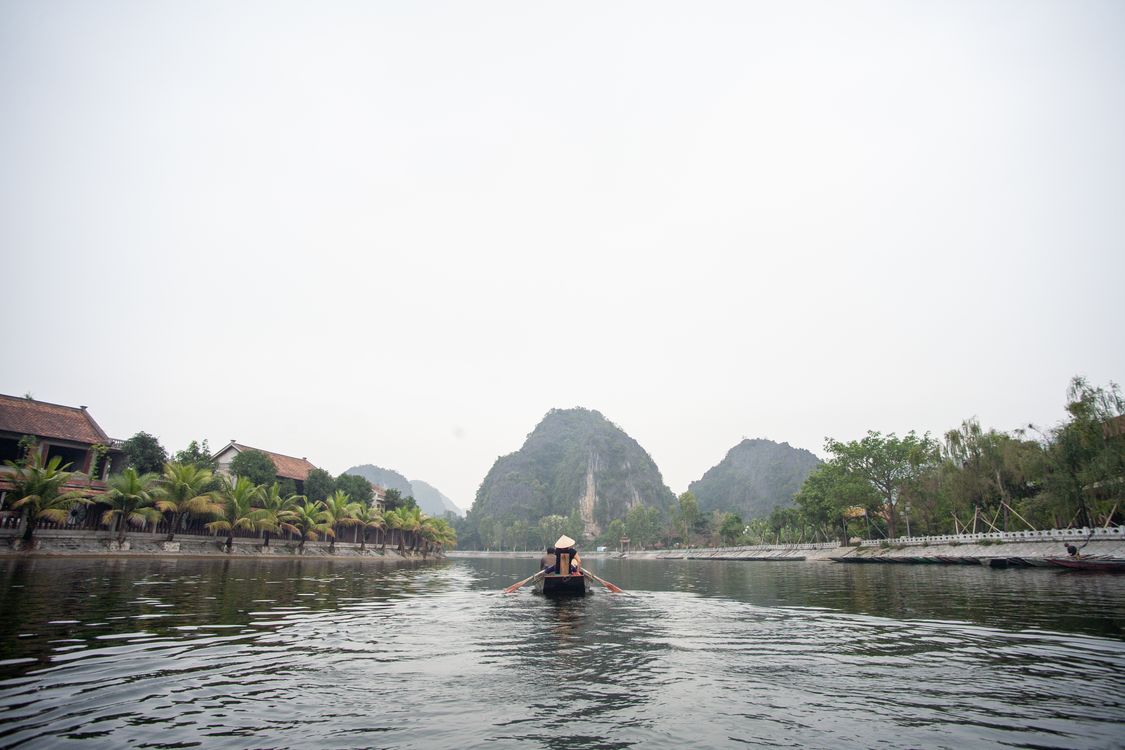
Ninh Binh sits about 95-100 km south of Hanoi, on the southern edge of the Red River Delta.
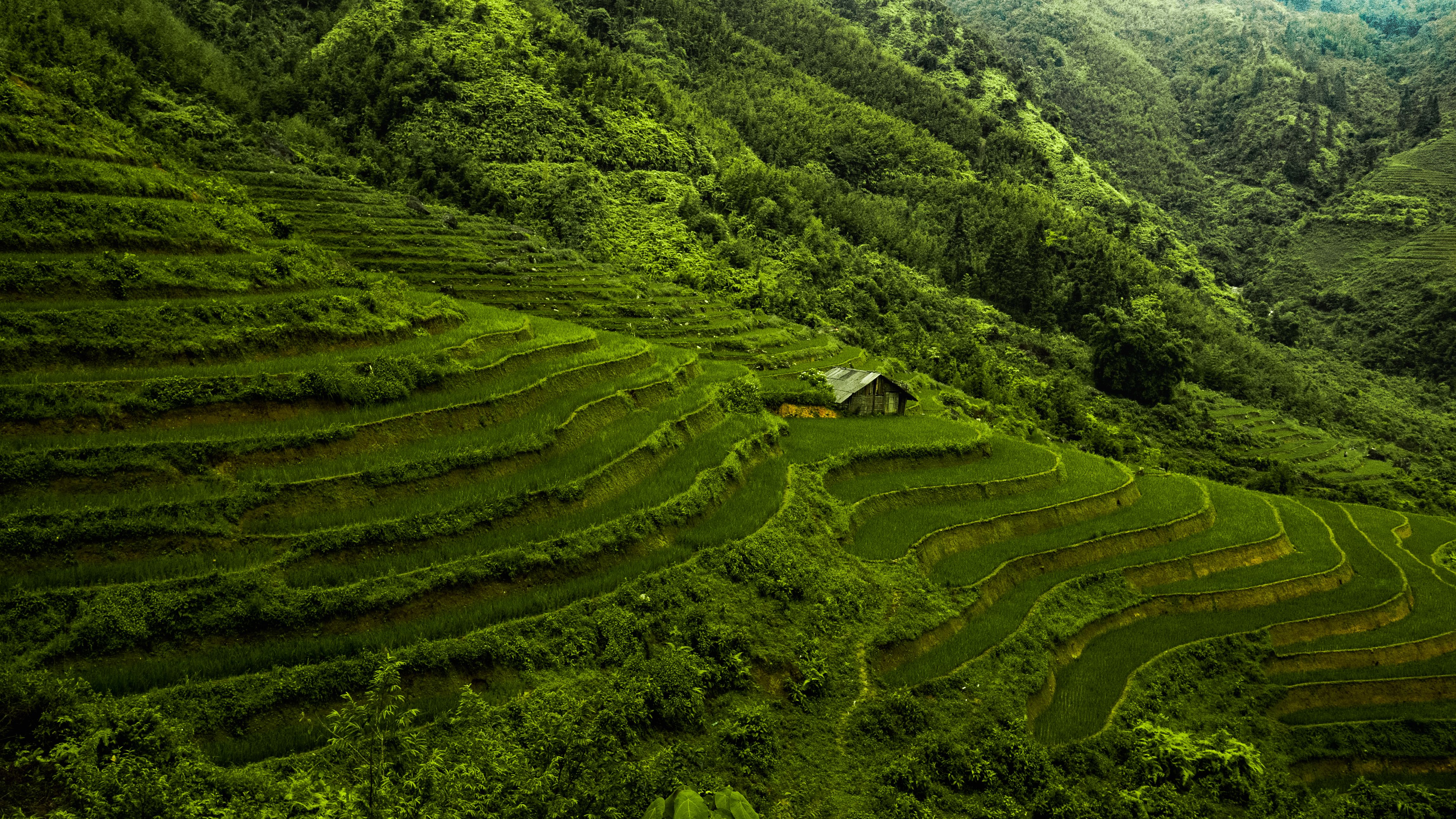
Sa Pa sits high in the Hoang Lien Son mountains of north-west Vietnam, about 320 km from Hanoi, near the Chinese border.
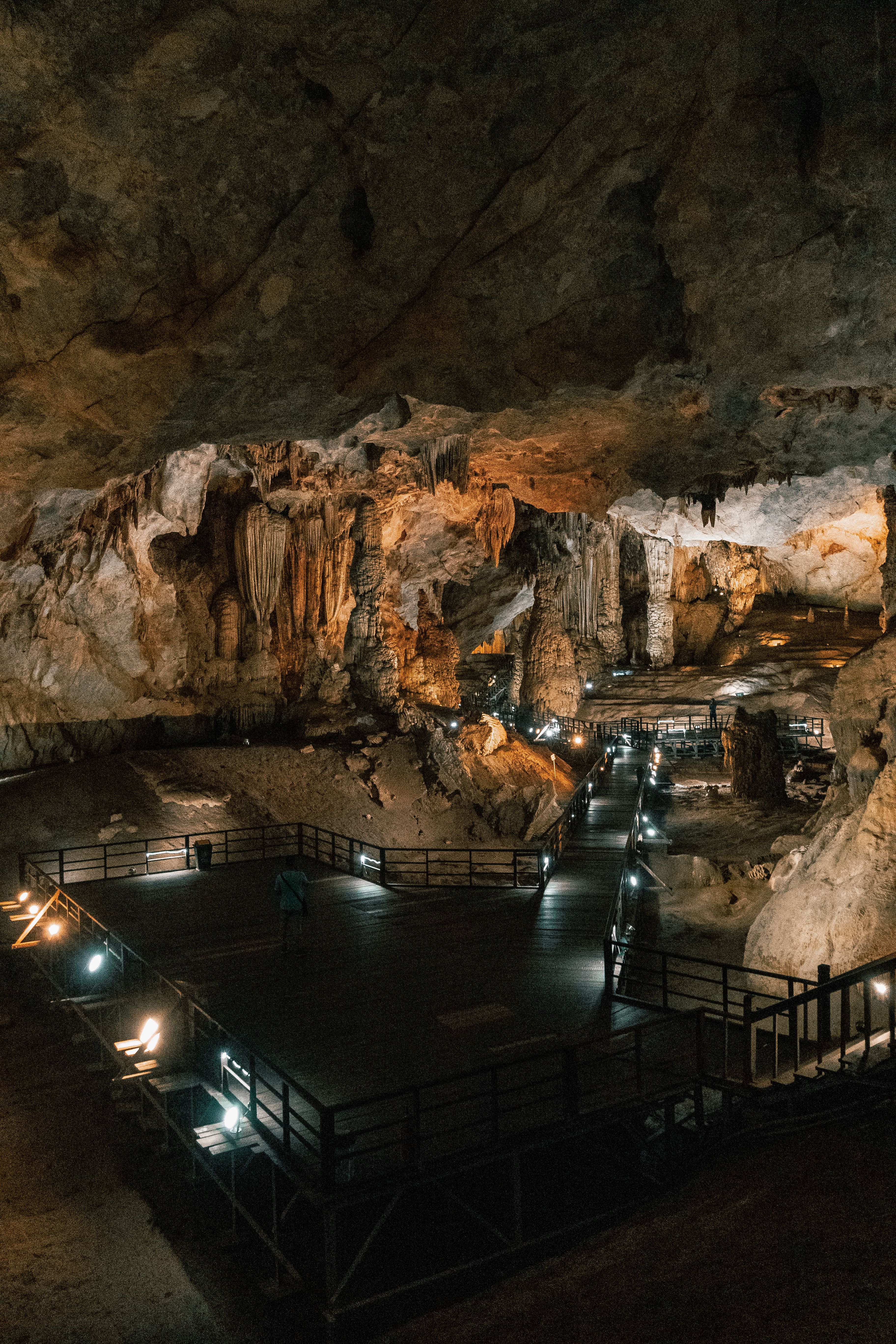
Phong Nha is a small, sleepy town on the Son River in central Vietnam, and the gateway to Phong Nha-Ke Bang National Park — a UNESCO World Heritage site and one of the great cave landscapes on Earth.
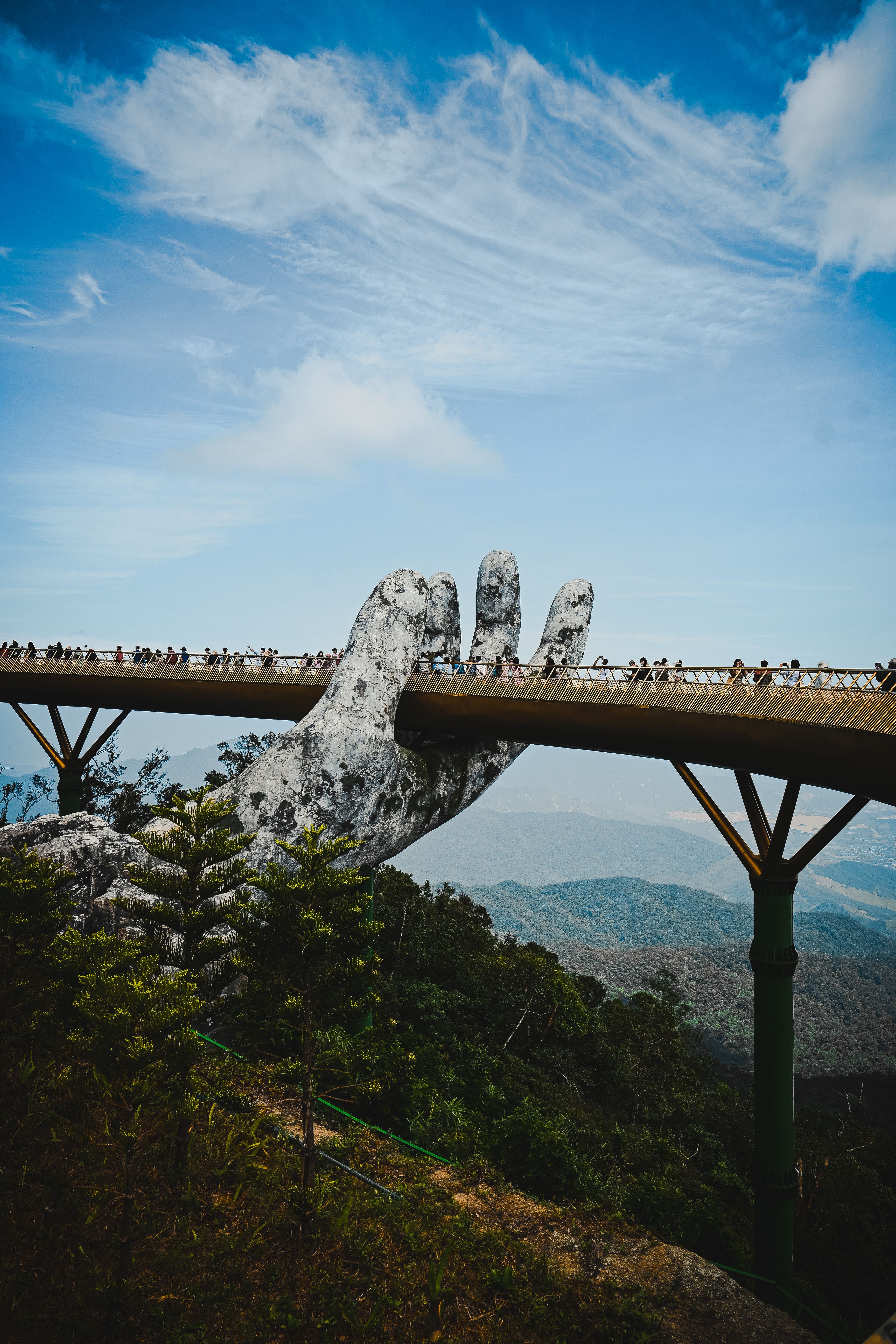
Da Nang sits on Vietnam's central coast, where the Han River meets the South China Sea.