Dong Hoi Airport (VDH) station
Tip: Arrange your transfer before you land — taxis are available but the homestay shuttle is usually cheaper and waiting for you.
Open in Google MapsPrices checked November 2026. If a price at the ticket counter differs from this guide, the counter price is the one that counts.
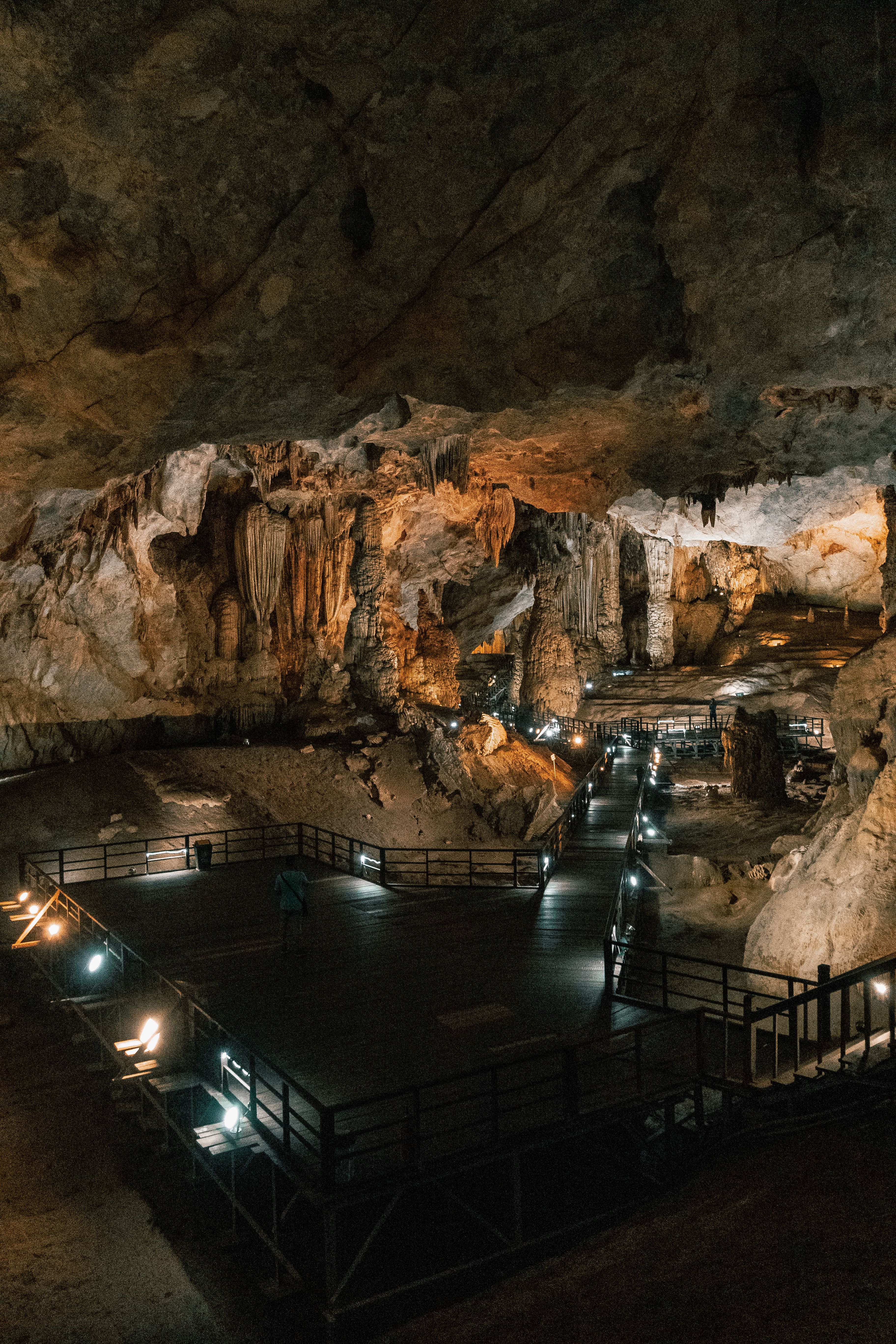
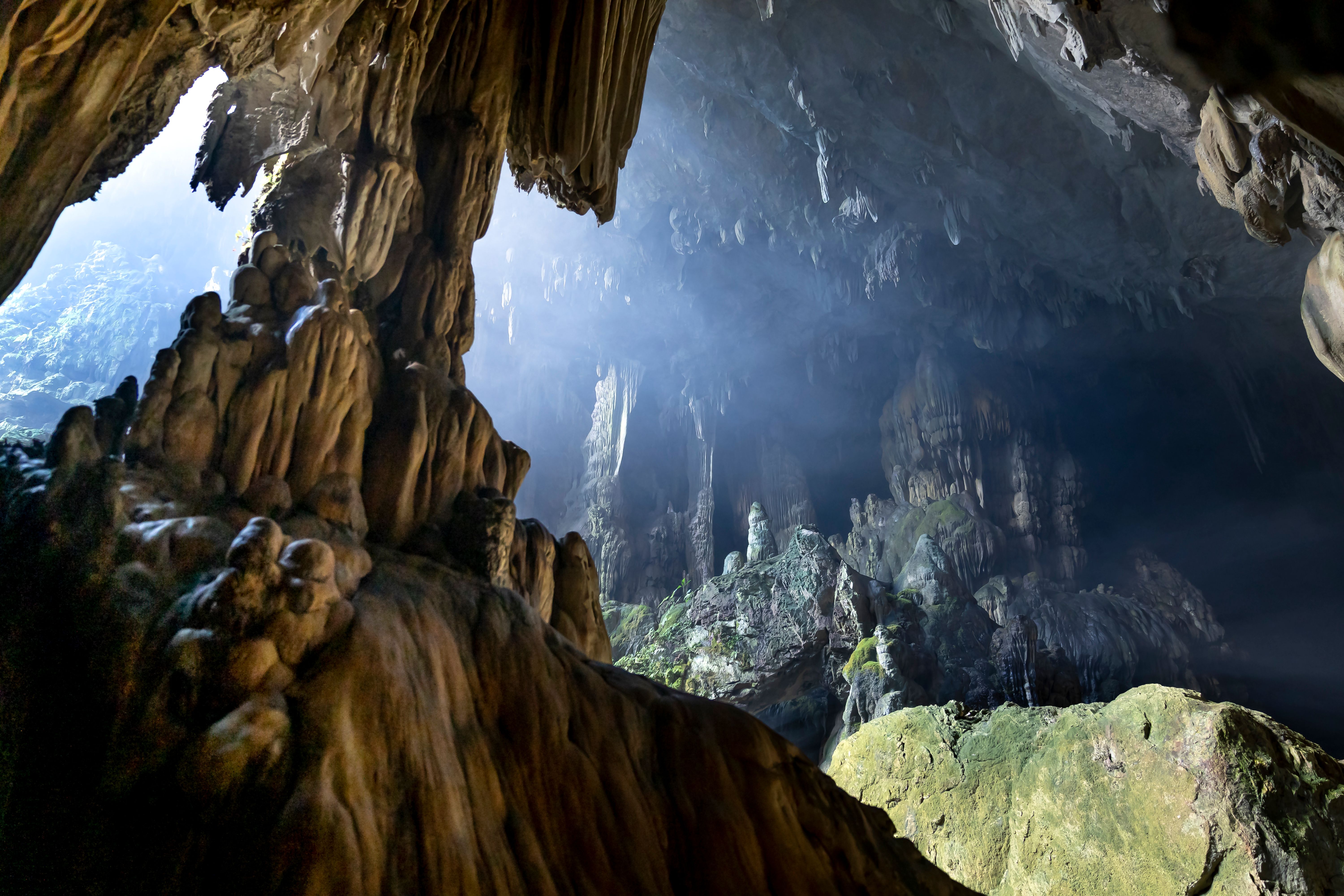
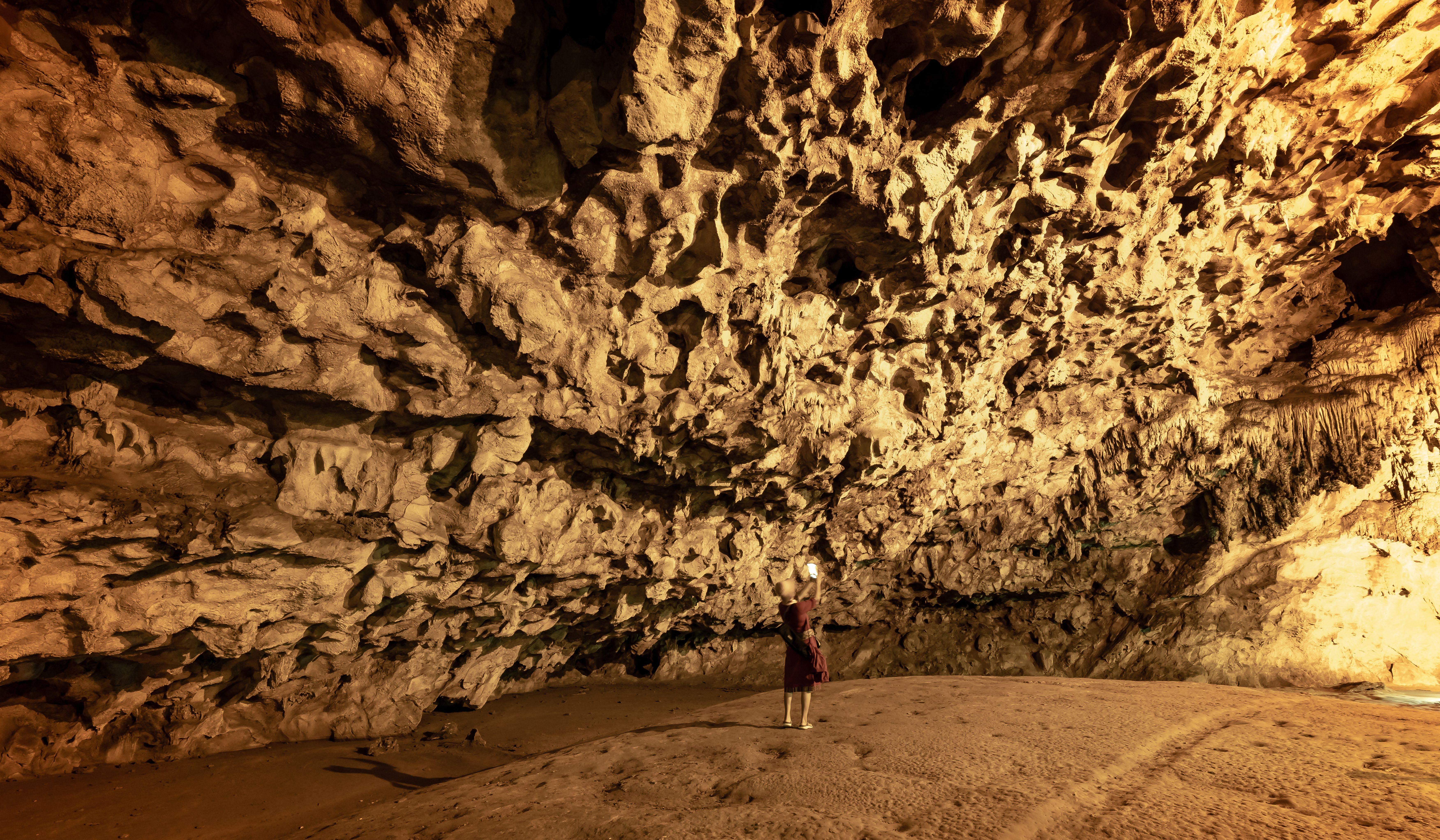
Phong Nha is a small, sleepy town on the Son River in central Vietnam, and the gateway to Phong Nha-Ke Bang National Park — a UNESCO World Heritage site and one of the great cave landscapes on Earth. Under these limestone mountains lie hundreds of caves, including Son Doong, the largest cave in the world, and Paradise Cave, a dry cave so big that its chambers could hold city blocks.
This is not a city break. Phong Nha town is a single main street of homestays, farmstays, cafes and tour offices, with jungle and karst peaks in every direction. You come here to go underground, to kayak a jungle river, and to cycle quiet country roads past rice fields and water buffalo. Two to three days is right: one day for Paradise Cave and the river, one for Phong Nha Cave and Dark Cave, and a third for cycling, a jungle trek or simply doing nothing on a farmstay veranda.
The best months are February to August, the dry season. The caves are at their best and the river is clear. October and November are the flood season — heavy rain can close Phong Nha Cave entirely (its entrance floods) and block roads, so check conditions before you travel then. December and January are cooler and can be grey, but the caves are still open.
Phong Nha suits adventurous travellers, families with older children, nature lovers and anyone who wants a quieter, greener Vietnam after the cities. It is less suited to travellers who want nightlife or shopping, or who are uncomfortable in enclosed spaces — the caves are vast, but you are still underground.
Note on the map: after Vietnam's provincial mergers in July 2025, this area now sits in Quang Tri province, although older guides, signs and booking sites still say Quang Binh. Do not be confused — it is the same place.
Getting here: fly or take the train to Dong Hoi, the nearest city, then a 45 km road transfer to Phong Nha town. Details and prices are in section B.
Prices checked November 2026. Prices are in Vietnamese dong (VND) with a US dollar approximation at 1 USD ≈ 26,000 VND.
Fly to Dong Hoi. Dong Hoi Airport (VDH) is the closest airport, about 45 km from Phong Nha town. Flights from Hanoi take about 65 minutes; flights also run from Ho Chi Minh City. One-way fares in 2026 typically range from about $40 to $149 (~1,000,000–3,900,000 VND) depending on how early you book.
Train to Dong Hoi. Dong Hoi is a major stop on the North–South railway line. The overnight train from Hanoi takes about 9–10 hours; from Hue it is about 3 hours; from Da Nang about 5–6 hours. Sleeper berths from Hanoi cost roughly 500,000–900,000 VND (~$19–35) depending on class. Check the current timetable on dsvn.vn — times change seasonally.
Dong Hoi to Phong Nha town (45 km, 45–60 minutes).
Direct sleeper bus from Hanoi to Phong Nha town. Camel Travel, Queen Cafe and HK Buslines run overnight sleepers direct to Phong Nha (9–11 hours, 450,000–800,000 VND / ~$17–31 per person). Check on 12Go/Vexere before booking.
From Hue or Da Nang. Hue is about 3.5–4 hours by road; Da Nang about 5–6 hours. A private car from Hue costs roughly 1,500,000–2,500,000 VND (~$58–96) per car — price not verified at the counter, confirm before booking. Sleeper buses also run the route.
Tip: Arrange your transfer before you land — taxis are available but the homestay shuttle is usually cheaper and waiting for you.
Open in Google MapsTip: The B4 bus leaves from Dong Hoi bus station, about 1.5 km from here — ask station staff to point you to it.
Open in Google MapsPhong Nha town is tiny and flat — you can walk everywhere in the centre in ten minutes. The caves are spread out, so you need wheels for those.
Bicycle. The best way to explore the town and the surrounding countryside. Most homestays lend bicycles free or rent them for about 30,000–50,000 VND (~$1–2) per day. The road along the Son River is flat, quiet and beautiful at sunset.
Motorbike rental. About 150,000–250,000 VND (~$6–10) per day, petrol extra, from your homestay. You need a valid International Driving Permit with your home licence, and you must wear a helmet. Roads are quiet but can flood after heavy rain — check conditions at your homestay before riding to the caves.
Taxi and ride-hailing. Grab is technically available in Dong Hoi but is very sparse in Phong Nha town — do not rely on it. In town, ask your homestay to call a local driver, or use the taxi companies in Dong Hoi (Mai Linh national hotline 1055). No verified local Phong Nha taxi phone number was found — see the Unverified section. Agree the price before the ride.
Private car with driver. About 800,000–1,200,000 VND (~$31–46) per day for a car and driver around the park area — worth it if you are visiting two caves in one day or travelling with children. Price not verified at the counter; confirm with your hotel.
Cave prices — read this first. Prices below are the most commonly listed 2026 figures, but sources disagree on the boat fee and on whether the Paradise Cave buggy is included. Treat every price as "check at the ticket board on the day" — the board at the entrance is the truth, and this guide says so wherever the sources conflict.
Tip: The show-stopper. Discovered in 2005, it runs for more than 30 km, but visitors walk about the first kilometre on a wooden boardwalk through enormous chambers of glittering stalactites. Go when it opens or after 14:00, when the tour groups have moved on. Allow 2.5 hours including the walk or buggy ride from the car park.
Open in Google MapsTip: The classic: a boat ride up the Son River and into a cave of still water and pale formations. Allow about 2 hours. Go early to share a boat quickly — if you arrive alone, you wait until enough people gather or pay for the whole boat yourself. Closed when the river floods, usually October–November.
Open in Google MapsTip: The fun one: a 400 m zipline across the Chay River to the cave entrance, then a swim into the dark with a head torch and a wade through a chamber of warm mud. Allow about 3–4 hours. You must weigh over 40 kg for the zipline. Wear clothes you do not mind ruining, and bring a change of clothes.
Open in Google MapsTip: A dry cave above Phong Nha Cave, reached by a steep climb of several hundred steps. Quieter than its famous neighbour, and the view over the river from the entrance is lovely. Often combined with the Phong Nha Cave boat trip.
Open in Google MapsTip: The largest cave in the world, with its own jungle and clouds inside. Only about 1,000 permits are issued a year, and places sell out 12–18 months ahead — new bookings start in 2028. You cannot visit independently, and any operator other than Oxalis claiming to offer it is not legitimate. If Son Doong is out of reach, Hang En (below) gives you much of the same magic for a tenth of the price.
Open in Google MapsTip: The world's third-largest cave, where you camp on a sandy beach inside the cave itself, under a shaft of light from the jungle above. Moderate fitness required; ages 16–70. Book 2–6 months ahead.
Open in Google MapsBeyond the caves. Cycle the Bong Lai Valley — quiet lanes, peanut farms and a local swimming hole — and stop for a cold drink at one of the valley farm cafes. The Eight Ladies Cave (Hang Tam Co) and the Ho Chi Minh Trail viewpoints make a reflective half-day by motorbike. In the evening, walk along the Son River at sunset; the karst peaks turn pink and the town goes quiet.
Phong Nha food is simple, fresh and cheap: river fish, grilled pork, morning glory, and rice. The town has a surprising number of good Western-friendly cafes and restaurants run by local families and long-stay travellers — pizza, burgers and proper coffee sit next to Vietnamese staples. Eat at your homestay at least once: family dinners here are generous and a good way to meet other travellers.
Vegetarian options are easy — tofu, mushrooms, vegetable stir-fries and vegetarian hotpot are on most menus. Say "I eat vegetarian, no meat, no fish sauce" (section L). Peanuts appear in sauces and salads, so flag allergies clearly. Drink bottled water; ice in larger restaurants is factory-made and generally safe.
Tip: A long-running traveller favourite on the main street for Vietnamese dishes, good coffee and a relaxed garden. A good first dinner after a long travel day.
Open in Google MapsTip: Set dinners are served family-style on the veranda overlooking the fields — book in the morning so the kitchen can prepare.
Open in Google MapsTip: Come for pho, sticky rice and strong Vietnamese coffee, and to watch the town wake up before the tour buses arrive.
Open in Google MapsThere is no five-star hotel in Phong Nha town — the nearest are in Dong Hoi, 45 km away, and only worth it for a late arrival or early flight. In town, the choice is homestays and farmstays, and they are the point: most include bicycles, help with transport, and honest advice about which caves are open today.
Tip: One of the original farmstays, with a pool, gardens and a restaurant. A good base for families and first-timers.
Open in Google MapsTip: The social hub for backpackers — bar, pool, and help booking every cave and trek in the park. Book ahead in the February–April high season, when prices rise 20–40%.
Open in Google MapsTip: Riverside farmstay near Dark Cave, with kayaking and a farm restaurant. Good if you want to be close to the Chay River activities rather than in town.
Open in Google MapsCompare rooms on the official homepages of Agoda (https://www.agoda.com) and Booking.com (https://www.booking.com) — plain links, no discount codes here. Whatever you choose, book your airport transfer through the property — it is usually cheaper than a taxi on arrival.
1 day — the essentials. Morning: Paradise Cave, arriving at opening to beat the groups. Lunch in town. Afternoon: Phong Nha Cave by boat. Evening: sunset walk along the Son River and dinner at your homestay.
2 days — the classic. Day 1: Paradise Cave in the morning, then cycling the Bong Lai Valley in the afternoon. Day 2: Phong Nha Cave by boat in the morning, Dark Cave zipline and mud bath in the afternoon. Evening: drinks and a pool at your hostel.
3 days — slow Phong Nha. Days 1–2 as above. Day 3: a full-day jungle trek or a motorbike loop to the Eight Ladies Cave and Ho Chi Minh Trail viewpoints, with a swim in the Chay River to finish. Or, if you have booked months ahead, swap day 3 for the start of a Hang En overnight expedition.
Prices checked November 2026.
| Level | Daily budget (per person) | What it covers |
|---|---|---|
| Backpacker | 600,000–900,000 VND (~$23–35) | Hostel dorm, bicycle, street food, one cave a day |
| Mid-range | 1,200,000–2,000,000 VND (~$46–77) | Farmstay room, two caves a day, restaurant meals, motorbike |
| Comfortable | From 2,500,000 VND (~$96) | Best farmstay, private car and driver, Dark Cave package, good dinners |
Bring cash. Most cave ticket counters are cash-only, and the ATMs are in town, not in the park — withdraw before you head out to the caves. Larger hotels and restaurants accept Visa and Mastercard. There is no reliable currency exchange in town; change money in Dong Hoi or Hanoi before you arrive. Keep small notes for boat tips, parking and snacks.
Emergency numbers (nationwide): Police 113 · Fire 114 · Ambulance 115.
Tip: The nearest major hospital is in Dong Hoi, about 45–60 minutes by road. Phong Nha town has only a small health station for minor issues. For anything serious, go to Dong Hoi, and for international-standard care, Hue or Hanoi. Carry travel insurance that covers adventure activities and evacuation.
Open in Google MapsLocal scams and hassles. Phong Nha is one of the friendliest and least scammy places in Vietnam. The main risks are practical, not criminal: unlicensed "guides" offering Son Doong trips (only Oxalis is licensed — anyone else is lying), and drivers at the airport quoting inflated flat rates. Agree every price before you get in the car, and book expeditions only through licensed operators.
Cave and river safety. Never enter a wild cave without a licensed guide and proper equipment — people have died in unmarked caves here. Wear the helmet and life jacket provided. In the rainy season, rivers rise fast: if your homestay or guide says a cave is closed, believe them. On the zipline, follow the operator's weight and safety rules exactly. Bring insect repellent for jungle treks, and a waterproof bag for your phone on boat trips.
The rainy season runs from roughly mid-September to mid-December, and it is the one window worth avoiding if the caves are the point of your trip. Paradise Cave is dry and high above the valley floor, so it stays open through almost everything. Phong Nha Cave closes when the Son River rises past the jetty — typically for two to five days at a time. The Dark Cave zipline and mud bath are reduced or closed from mid-September, Mooc Spring is often closed in October and November, and river caves and swim-through tours are suspended from mid-September to mid-November. The big expeditions run on fixed seasons: Son Doong from January to August only, Hang En from December to mid-September. In late October 2024, Storm Trami suspended all cave tours in the park at once. Book cave trips between February and August, and check with your operator the week before you travel. See the full picture on our Seasonal Hazards & Natural Dangers page.
Culture and etiquette. Phong Nha is a farming community first and a tourist town second. Greet people, ask before photographing them, and dress modestly in the villages. If you are invited into a home, remove your shoes and accept the tea offered — refusing is impolite.
Bargaining. Bargain gently for souvenirs and motorbike rental; do not bargain for cave tickets, restaurant meals or boat fees, which are fixed.
Weather and packing. The dry season is hot and humid — light clothes, sunscreen, a hat and plenty of water. For caves, bring a light jacket (it is cool underground), shoes with grip (boardwalks are slippery), a head torch for Dark Cave, and a dry bag. In the wet season, pack a rain jacket and check road conditions every morning.
When to go. February to April is the sweet spot: dry, green and not too hot. May to August is hotter but the river is at its clearest. Avoid October–November unless you are happy to be flexible — floods can close caves with a day's notice.
Paradise Cave and Phong Nha Cave are easy to do independently — buy tickets at the entrance and go. Dark Cave is booked through its own ticket counter or a licensed operator in town. The multi-day expeditions (Son Doong, Hang En, Tu Lan) can only be booked with Oxalis Adventure — book directly with them, not through resellers.
Browse day tours and tickets on the official homepages of Klook (https://www.klook.com), GetYourGuide (https://www.getyourguide.com) and Viator (https://www.viator.com) — plain links only.
| Situation | Vietnamese | Pronunciation | Meaning |
|---|---|---|---|
| Hello | Xin chào | sin chao | Hello |
| Thank you | Cảm ơn bạn | gam ern ban | Thank you |
| How much? | Bao nhiêu tiền? | bao nyew tee-en? | How much is it? |
| Too expensive | Đắt quá, giảm giá được không? | dat kwa, yam ya duoc khong? | Too expensive — can you lower the price? |
| No, thank you | Không, cảm ơn | khong, gam ern | No, thank you |
| I eat vegetarian | Tôi ăn chay, không thịt, không nước mắm | toi an chay, khong thit, khong nuoc mam | I eat vegetarian — no meat, no fish sauce |
| Not spicy | Không cay | khong kai | Not spicy |
| Take me to Paradise Cave | Cho tôi đi động Thiên Đường | cho toi dee dong thien duong | Please take me to Paradise Cave |
| Where is the boat pier? | Bến thuyền ở đâu? | ben tuyen er dau? | Where is the boat pier? |
| The bill, please | Tính tiền giúp tôi | tin tee-en yup toi | The bill, please |
| Help me! | Giúp tôi với! | yup toi voi! | Help me! |
Photo spots and best light: Inside Paradise Cave the boardwalk lighting is best in the morning, when the groups are thin; the Son River at sunset, from the bridge in town; the Bong Lai Valley in the late afternoon, when the light goes gold over the fields; and the Chay River from the Dark Cave zipline platform.
Phong Nha is a small town, and its souvenirs are small-town things: forest products, dried snacks and cave-inspired handicrafts. Do not expect a souvenir strip — the market and a couple of shops are all there is, and that is part of the charm.
Khoai deo (dried sweet potato). Quang Binh's most famous snack-gift: red sweet potatoes grown in the province's harsh sun, sliced and sun-dried until thick, chewy and deeply sweet. Sold in clear bags at the morning market — buy the darker, softer pieces, which are the freshest.
Wild honey. Phong Nha's forests produce a sought-after wild honey, harvested by woodsmen in the deep forest from March to August of the lunar calendar. It is thick, dark and slightly sour on the second taste — locals call it the "honey of longevity". Buy from a market stall you trust or from your homestay host, and be wary of suspiciously cheap bottles: real forest honey is never cheap.
Sesame rice paper and peanut oil. Grilled sesame rice paper (bánh đa vừng) — light, crunchy, faintly sweet — is the snack every Quang Binh child grew up with, and it packs flat for the journey home. Cold-pressed peanut oil from local peanuts is the other kitchen gift: fragrant, golden and made in small batches.
Cave handicrafts. The Oxalis Home boutique sells the town's nicest non-food souvenirs: cave pearls, limestone jewellery and eco-friendly clothing made from natural materials, inspired by the caves themselves. Pricier than the market, but the pieces are genuinely local.
Tip: Go in the morning, when the market is liveliest and the dried goods are freshest. Bring cash and a reusable bag.
Open in Google MapsTip: The boutique inside Oxalis Home, run by the cave-tour company. The best place in town for cave pearls and limestone jewellery — the one souvenir you cannot buy anywhere else.
Open in Google MapsDownload these before you travel:
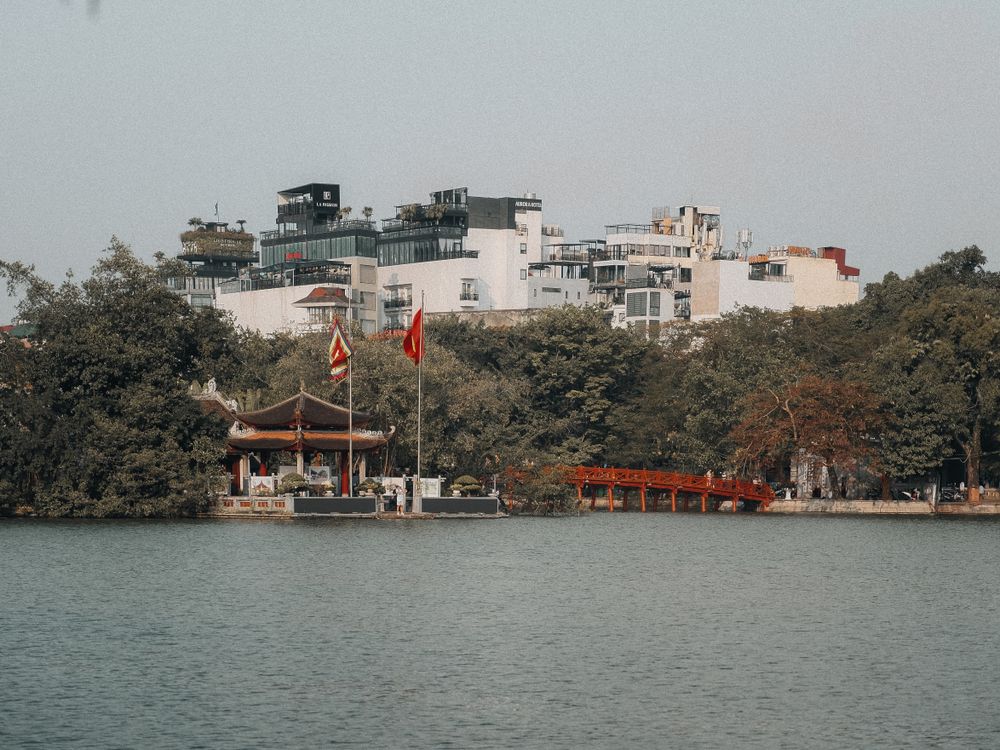
Hanoi is Vietnam's capital, and it feels like it — a thousand years old, a little chaotic, and completely itself.
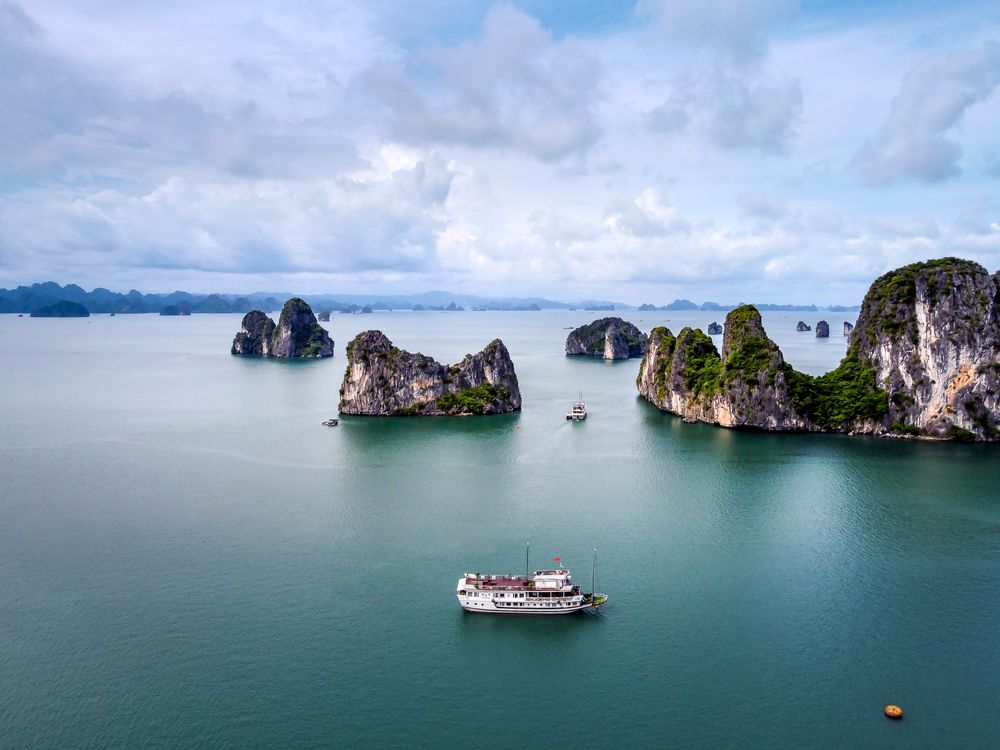
Ha Long Bay is the postcard of Vietnam: nearly 2,000 limestone islands rising out of emerald water in the Gulf of Tonkin, about 170 km east of Hanoi.
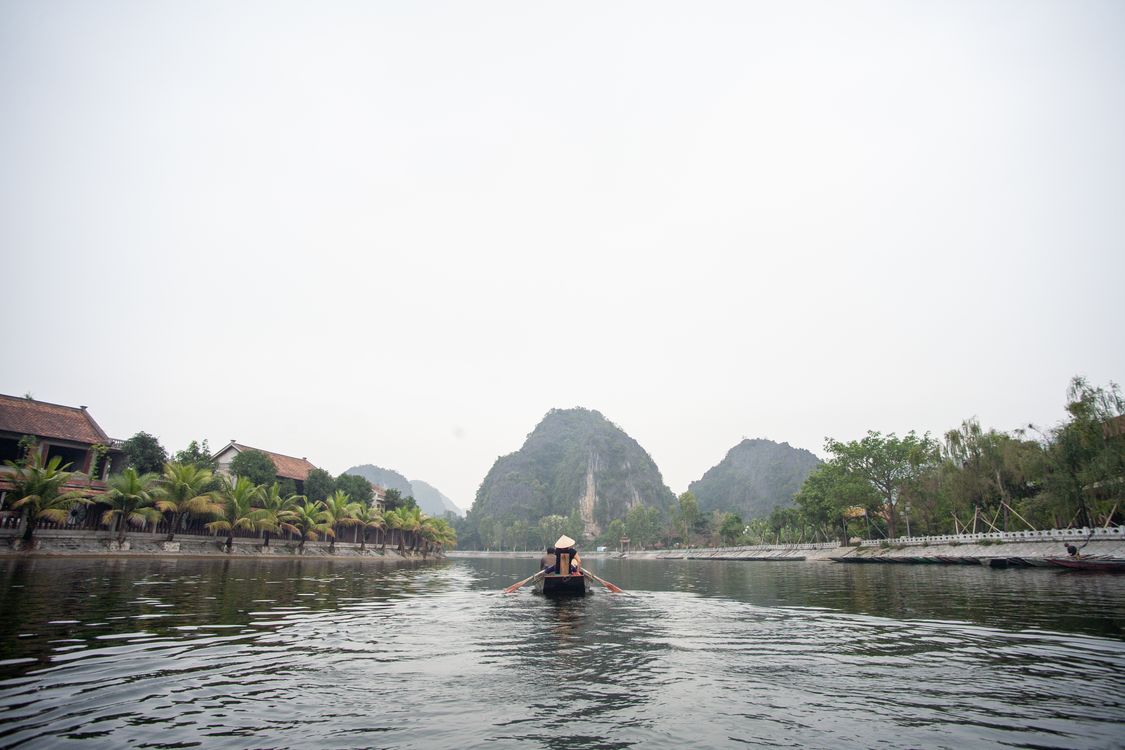
Ninh Binh sits about 95-100 km south of Hanoi, on the southern edge of the Red River Delta.
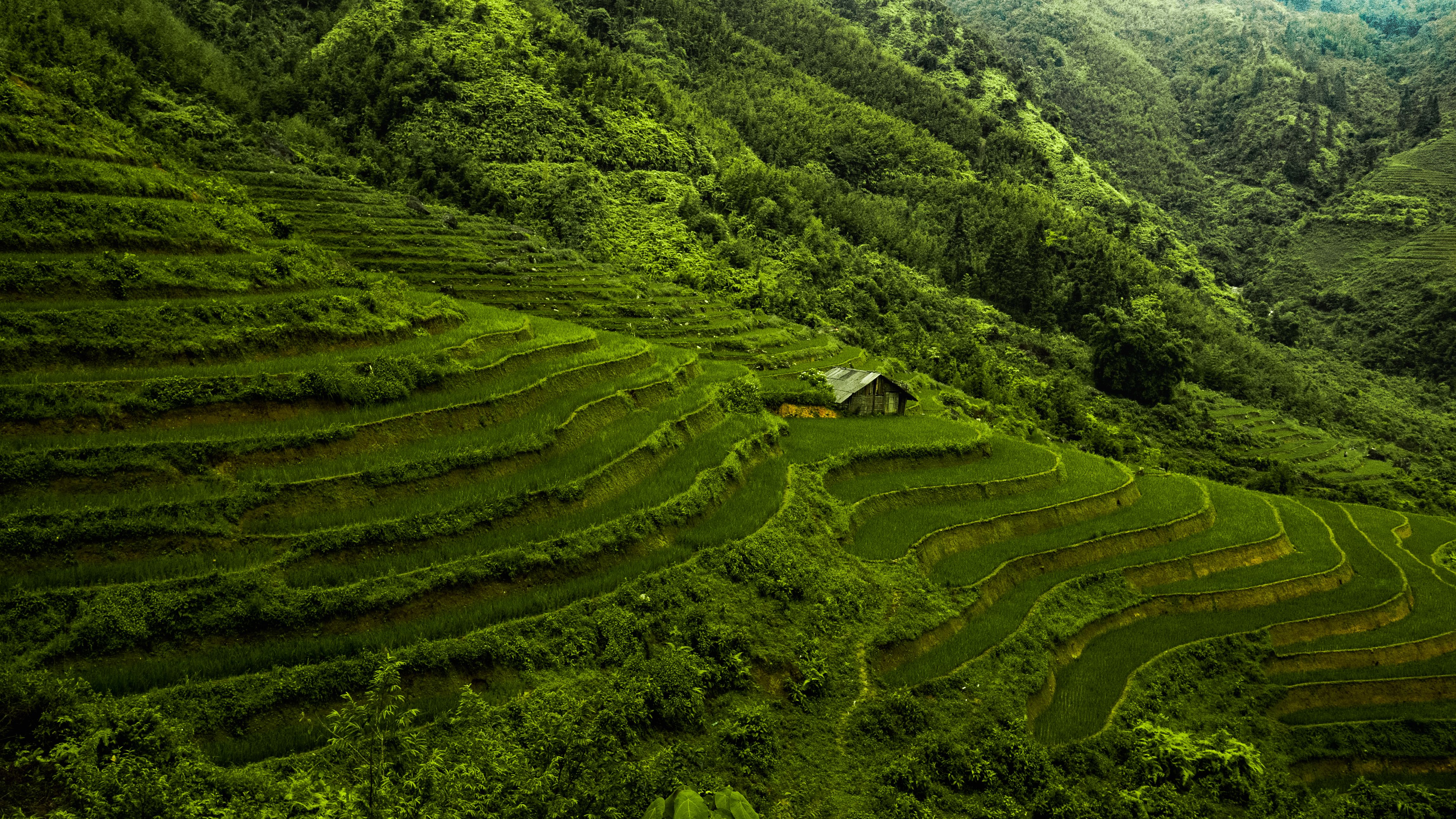
Sa Pa sits high in the Hoang Lien Son mountains of north-west Vietnam, about 320 km from Hanoi, near the Chinese border.
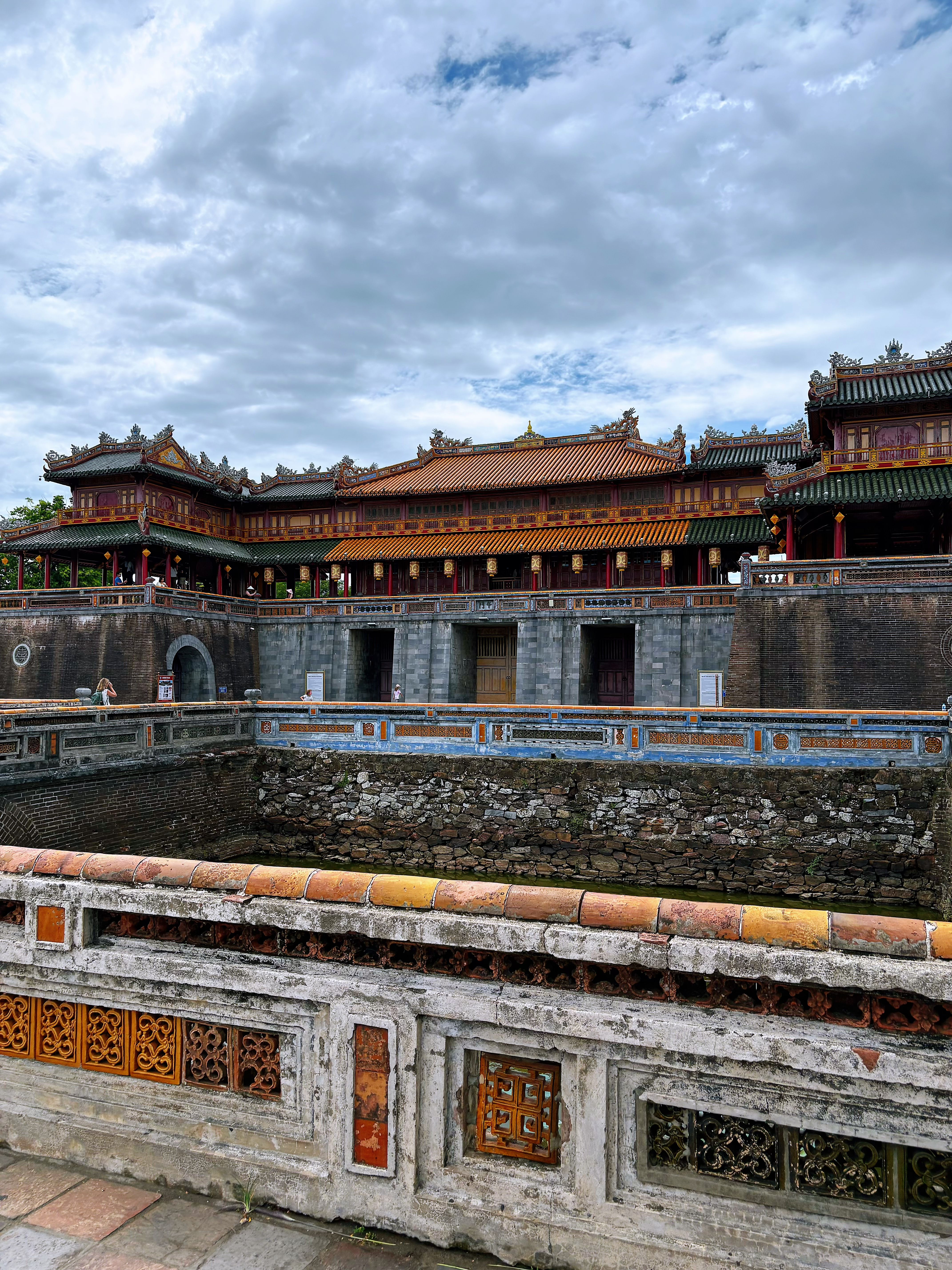
Hue is Vietnam's old imperial capital — slower, quieter and more graceful than Hanoi or Ho Chi Minh City.
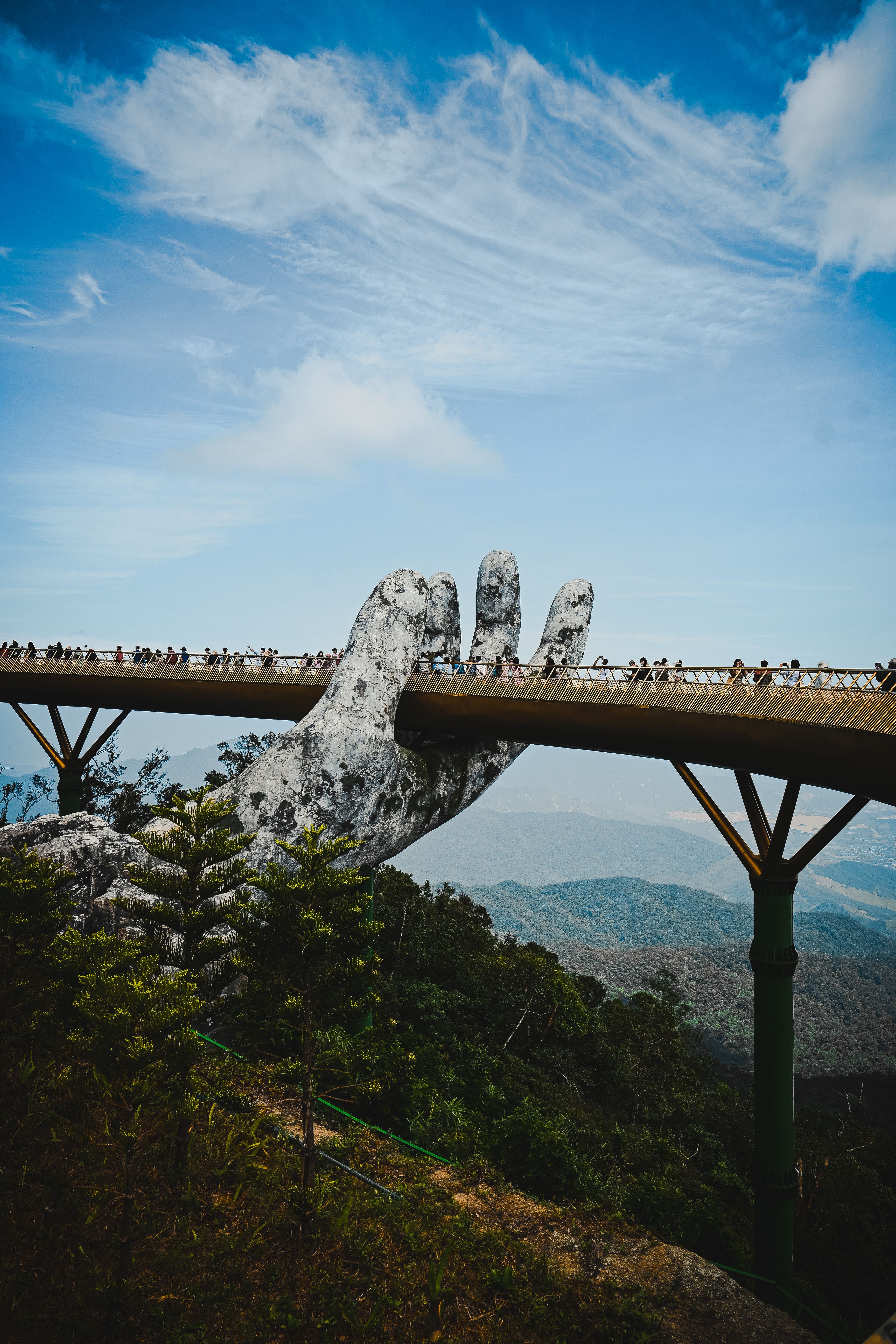
Da Nang sits on Vietnam's central coast, where the Han River meets the South China Sea.