Lien Khuong International Airport (DLI) station
Tip: The airport fully reopened after runway works in August 2026. Pre-book your transfer or use the official taxi counter — do not accept offers from drivers inside the terminal.
Open in Google MapsPrices checked November 2026. If a price at the ticket counter differs from this guide, the counter price is the one that counts.
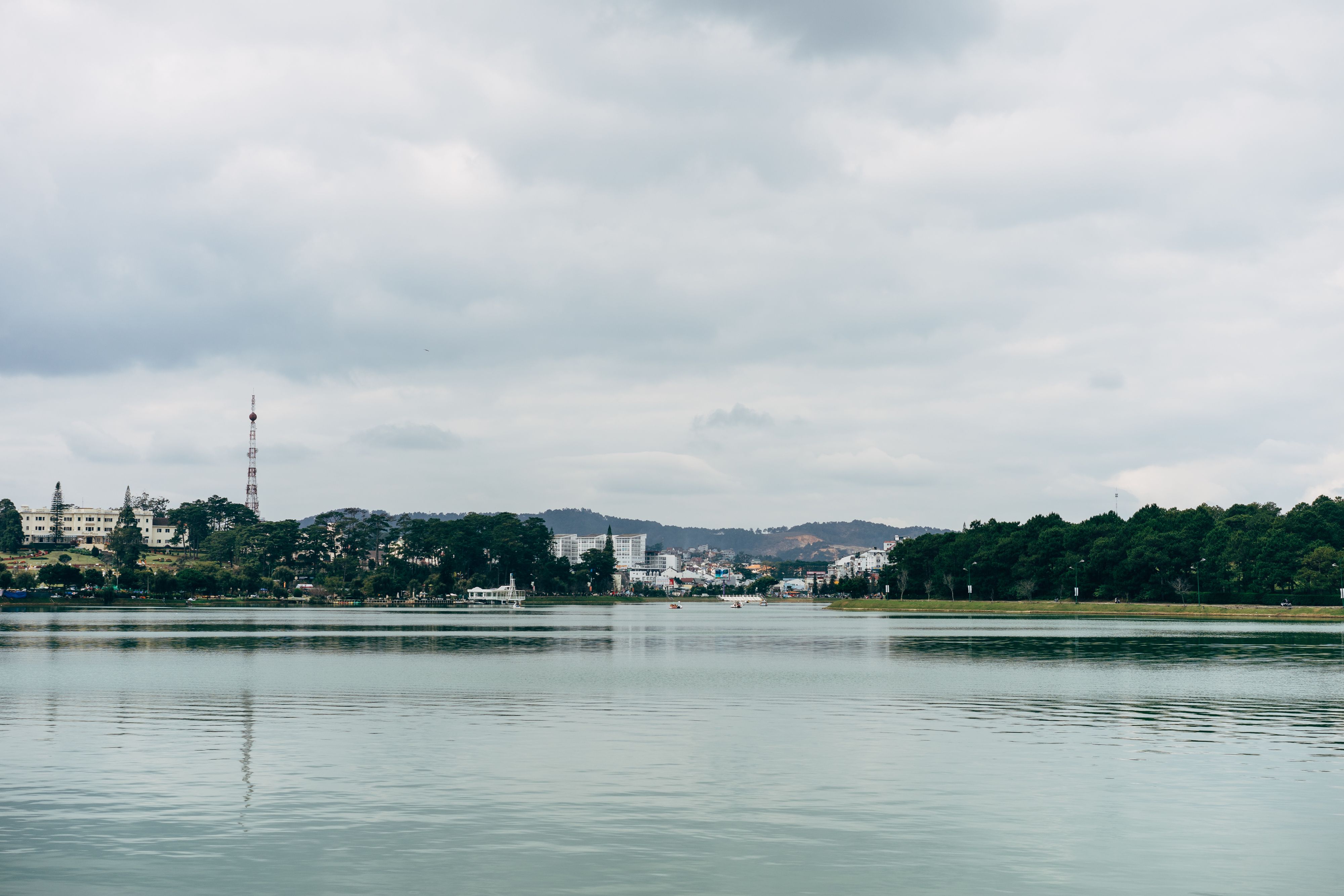
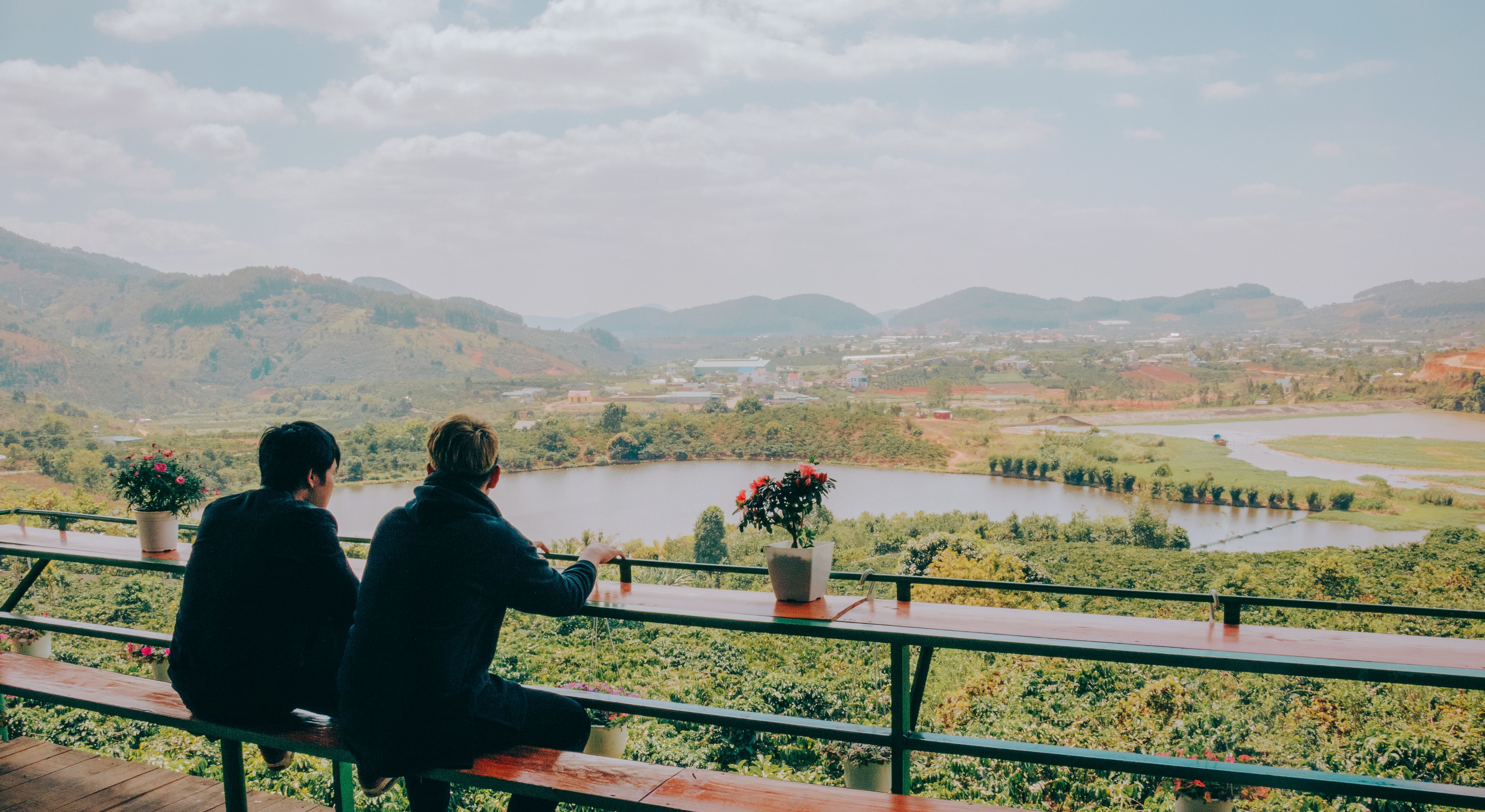
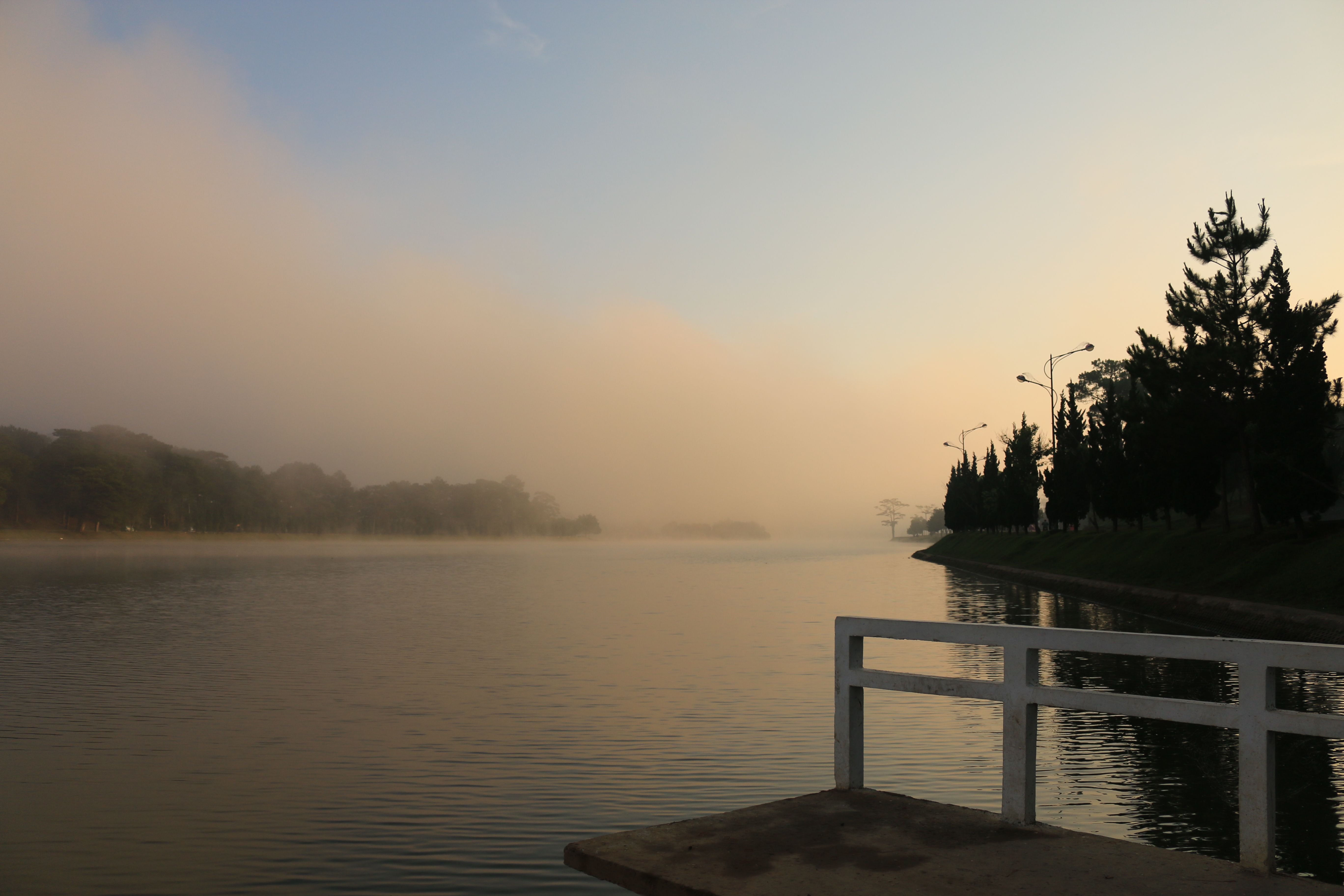
Da Lat sits 1,500 m up in the pine-forested Central Highlands, about 300 km north-east of Ho Chi Minh City. The French built it as a hill station to escape the tropical heat, and it still feels like a different Vietnam: cool air, misty mornings, flower gardens, pine forests, waterfalls and a lake in the middle of town. Its nickname is the City of Eternal Spring, and it is also Vietnam's honeymoon capital — expect couples, flower fields and a lot of cafes.
Da Lat is a gentle destination. There is no single must-see on the scale of Ha Long Bay; instead there is a happy pile of small pleasures — a waterfall with an alpine coaster, a famously strange house, a mountain you can hike or jeep up, coffee farms, flower gardens and a night market made for snacking. Two to three days is right. One day covers the central sights; a second day adds Langbiang and the waterfalls; a third lets you slow down with a coffee farm and a lake.
The best months are November to March, the dry season, with cool days (about 18–25°C), clear skies and the flower gardens at their best. December to January is the flower festival season and the busiest time. April to October brings afternoon rain, but the waterfalls are at their fullest and the town is quieter. Da Lat is cool all year — bring a jacket even in summer, and expect foggy mornings.
Da Lat suits couples, families, first-timers who want a soft landing in Vietnam, and anyone who likes cafes, gardens and easy day trips. It is less suited to beach lovers or travellers looking for a wild nightlife — evenings here are about the night market, hot soy milk and an early night.
Note: in July 2025 Vietnam merged Lam Dong province with two neighbours, and Da Lat's old numbered wards were consolidated into larger wards — so addresses on maps and blogs can look unfamiliar. If an address looks "wrong", check it on Google Maps.
Getting here: fly to Lien Khuong Airport (30 km south of town) or take a bus from Ho Chi Minh City (6–8 hours). Details and prices are in section B.
Prices checked November 2026. Prices are in Vietnamese dong (VND) with a US dollar approximation at 1 USD ≈ 26,000 VND.
Fly to Lien Khuong Airport (DLI). The airport is about 30 km south of the city centre, a 40–50 minute drive. Flights run from Ho Chi Minh City (about 1 hour), Hanoi (about 1 hour 45 minutes), Da Nang and other cities. One-way fares vary widely by season — check on the day you book.
Lien Khuong Airport to the city centre.
Bus from Ho Chi Minh City. Sleeper and limousine buses take 6–8 hours. Named operators include Thanh Buoi (34-bed sleeper, a bus about every 30 minutes, around 325,000 VND / ~$13, with fares roughly 290,000–440,000 VND / ~$11–17), Phuong Trang / FUTA (about 290,000 VND / ~$11), and Kumho Samco, Hanh Cafe and The Sinh Tourist (199,000–370,000 VND / ~$8–14). Book through your hotel or a booking platform. Check on 12Go/Vexere before booking. The road is winding in the mountains — if you get carsick, sit near the front and take medicine before you board.
From Nha Trang or Mui Ne. Buses take about 3–4 hours from Nha Trang and about 4–5 hours from Mui Ne. Fares are roughly 150,000–300,000 VND (~$6–12) — not verified at the counter; confirm when booking.
From Hanoi — fly or go via Nha Trang, not the direct bus. The direct Hanoi–Da Lat bus takes 25–35 hours and costs 850,000–1,000,000 VND (~$33–38), and the operators on that route are poorly reviewed — it is not a good option. Fly direct instead (about 2 hours), or take the train to Nha Trang and continue by bus to Da Lat (3–4 hours, about 120,000–160,000 VND / ~$5–6 with Phuong Trang or Techbus). Check on 12Go/Vexere before booking.
Tip: The airport fully reopened after runway works in August 2026. Pre-book your transfer or use the official taxi counter — do not accept offers from drivers inside the terminal.
Open in Google MapsTip: No regular long-distance trains run from here anymore — come for the 1930s Art Deco building (its three peaked roofs echo Langbiang's peaks) and the short heritage ride to Trai Mat village, about 7 km away.
Open in Google MapsDa Lat's centre is compact and walkable around Xuan Huong Lake, but the waterfalls, Langbiang and the coffee farms are 5–30 km out, so you need wheels most days.
Motorbike rental. About 150,000–250,000 VND (~$6–10) per day, petrol extra, from your hotel or a rental shop. You need a valid International Driving Permit with your home licence, and you must wear a helmet. Da Lat's hills are steep and the roads can be foggy — only ride if you are confident. The popular "Easy Rider" option — a local driver-guide on a motorbike — costs roughly 500,000–800,000 VND (~$19–31) per day and is a great way to see the countryside without riding yourself.
Taxi and ride-hailing. Grab and Green SM (Xanh SM) both work in Da Lat, and local companies include Lado Taxi and Mai Linh (national hotline 1055). A short ride in the centre is usually 30,000–60,000 VND (~$1–2). A half-day private car with driver costs roughly 600,000–1,000,000 VND (~$23–38) — not verified at the counter; confirm with your hotel.
Bicycle. A few hotels rent bicycles for about 50,000–80,000 VND (~$2–3) per day. The lakeside is flat and lovely, but the hills beyond the centre are serious work.
Walking. The lake loop is about 5 km and makes a beautiful morning walk or jog, especially before 8:00 when the mist is still on the water.
Tip: A surreal, tree-shaped house designed by architect Dang Viet Nga — winding staircases, cave-like rooms, animal-themed spaces and narrow bridges with no railings. Go early in the morning to have it nearly to yourself, and hold small children's hands on the stairs. Allow 1–1.5 hours.
Open in Google MapsTip: The waterfall itself is a 20 m cascade in the forest; the alpine coaster is the real draw — you control your own speed as you glide down through the pines. Go on a weekday morning to avoid queues. Allow 1.5–2 hours.
Open in Google MapsTip: Da Lat's highest mountain at 2,167 m, with views over the city, Golden and Silver streams, and Suoi Vang Lake. Hike the road to the 1,929 m Radar Peak in about 2 hours, or take the jeep (15–20 minutes) and save your knees. Best November to March, when the skies are clearest. Bring a jacket — it is windy at the top.
Open in Google MapsTip: The heart of the city. Walk the 5 km loop at sunrise, when mist sits on the water and the city is quiet, or come at sunset for the lights. The Lam Vien Square flower dome at the lake's edge is the city's most photographed landmark.
Open in Google MapsTip: A peaceful working monastery in pine forest above a still lake — the quietest, most beautiful place in Da Lat. Dress modestly (cover shoulders and knees), speak softly, and do not photograph monks without asking. The cable car from Robin Hill gives you a lovely ride over the forest. Allow half a day with the lake.
Open in Google MapsTip: A long outdoor sculpture tunnel telling Da Lat's history in red clay — part art, part photo playground, with lake views at the end. Best combined with Truc Lam Monastery and Tuyen Lam Lake in one half-day.
Open in Google MapsTip: The Art Deco summer home of Vietnam's last emperor, kept much as it was in the 1930s–40s. A gentle, interesting hour for history lovers, with gardens and pine trees around it.
Open in Google MapsHidden gems. The flower gardens at the Valley of Love and the hydrangea fields on the city's edge are at their best in the dry season. For something different, visit a coffee farm on the road to Langbiang — weasel coffee and arabica tastings run about 100,000–200,000 VND (~$4–8) per person, and the farm setting beats any city cafe. Ask your hotel for a farm that welcomes visitors rather than turning up unannounced.
Da Lat food is built for cool weather: hotpots, grilled meats, hot soy milk and sweet potatoes roasted over charcoal at the night market. Must-tries are banh trang nuong (grilled rice paper, Da Lat's answer to pizza), banh can (mini savoury pancakes), avocado ice cream, artichoke tea, and strawberries — Da Lat grows most of Vietnam's strawberries, and the fresh ones in season are wonderful.
Vegetarian travellers will do well: the city has several vegetarian restaurants (the Zen monastery area is a good bet), and most restaurants do tofu and vegetable hotpot. Say "I eat vegetarian, no meat, no fish sauce" (section L). Peanuts appear in sauces — flag allergies clearly. The tap water is not for drinking; use bottled water.
Tip: A Da Lat institution for banh can, noodles and baked goods. Come for breakfast before the tour buses arrive.
Open in Google MapsTip: The evening ritual: grilled rice paper, roast sweet potatoes, hot soy milk and strawberries. Go hungry, bring small notes, and dress warmly — it gets cold after dark.
Open in Google MapsTip: Da Lat runs on coffee. The Central Highlands grow Vietnam's best arabica, and the lakeside cafes are made for slow mornings. Order ca phe sua da (iced coffee with condensed milk) or try a pour-over of local arabica.
Open in Google MapsStay around Xuan Huong Lake or the city centre for your first visit — walkable, with restaurants and the night market nearby. Stay near Tuyen Lam Lake if you want quiet, pine forest and resort-style comfort, but expect to take a taxi everywhere.
Tip: Restored 1920s–30s French villas in pine gardens on a hill above town. The most romantic stay in Da Lat — book a villa with a fireplace for the cold months.
Open in Google MapsTip: The grand old hotel facing the lake, built in 1922. Best for a splurge and for its location — step out and you are on the lake promenade.
Open in Google MapsTip: A friendly, well-run hostel in the centre with good local advice and motorbike rental. Book ahead for December–January weekends.
Open in Google MapsMid-range hotels around the lake run roughly 600,000–1,500,000 VND (~$23–58) per night. Compare rooms on the official homepages of Agoda (https://www.agoda.com) and Booking.com (https://www.booking.com) — plain links, no discount codes here. Book early for the December flower festival.
1 day — the highlights. Morning: Crazy House, then a walk around Xuan Huong Lake. Lunch in town. Afternoon: Datanla Waterfall and the alpine coaster, then Truc Lam Monastery and Tuyen Lam Lake. Evening: Da Lat Night Market for grilled rice paper and hot soy milk.
2 days — the classic. Day 1 as above. Day 2: morning at Langbiang Mountain (jeep or hike), afternoon at the Clay Tunnel and a coffee farm, evening at a lakeside cafe.
3 days — slow Da Lat. Days 1–2 as above. Day 3: a morning Easy Rider motorbike tour through the countryside — waterfalls, a silk factory, a coffee farm and a village — then a lazy afternoon at the lake and a last dinner in town.
Prices checked November 2026.
| Level | Daily budget (per person) | What it covers |
|---|---|---|
| Backpacker | 600,000–900,000 VND (~$23–35) | Hostel dorm, street food and market meals, one or two attractions, motorbike share |
| Mid-range | 1,200,000–2,000,000 VND (~$46–77) | Mid-range hotel, three attractions a day, restaurant meals, taxi |
| Comfortable | From 2,500,000 VND (~$96) | High-end hotel or villa, private car and driver, Easy Rider tour, fine dining |
Cash is useful for markets, small cafes and attraction tickets, though larger hotels, restaurants and attractions accept cards. ATMs are plentiful in the centre. Exchange money at banks in town. Keep small notes for the night market and for parking at the waterfalls.
Emergency numbers (nationwide): Police 113 · Fire 114 · Ambulance 115.
Tip: The main public hospital in the city. For international-standard care, the nearest options are in Ho Chi Minh City, about 6–8 hours by road. Carry travel insurance.
Open in Google MapsLocal scams and hassles. Da Lat is one of Vietnam's safest and most relaxed cities. The usual cautions apply: agree taxi fares before you ride, buy attraction tickets only at the official counter, and be wary of anyone offering a "free" tour that turns into a shopping stop. Strawberry sellers at the roadside sometimes sell imported berries as local — taste before you buy a big box.
Road and weather safety. Mountain roads are winding and foggy, especially on Prenn Pass — drive slowly and do not overtake on blind bends. Afternoon rain in the wet season makes roads slippery. At Langbiang and the waterfalls, wear shoes with grip; the steps are steep and can be slick.
Da Lat's mountain passes are the risk here. After prolonged heavy rain, landslides can close the main routes into the city — Prenn Pass, Mimosa Pass and National Highway 20. In November 2025, exceptional rains cut all of them at once: a collapse at Mimosa Pass tore a 50-metre-wide, 30-metre-deep chasm in the road, Prenn Pass and National Highway 20 closed too, and the province declared a state of emergency. Prenn Pass reopened on 25 November with trucks still banned. That November was exceptional, not a yearly pattern — but check road conditions with your hotel or driver before any mountain drive, and avoid the passes in heavy rain, at night or in dense fog. See the full picture on our Seasonal Hazards & Natural Dangers page.
Culture and etiquette. Da Lat is a gentle, romantic city — keep voices down in the monastery and in cafes, dress modestly at temples, and ask before photographing people. The K'Ho people are the indigenous people of the Langbiang area; if you visit a K'Ho village, go with a local guide and respect village customs.
Bargaining. Bargain gently at the night market and for souvenirs and motorbike rental. Do not bargain for fixed-price tickets, restaurant meals or Grab fares.
Weather and packing. Layers, always: a warm jacket for mornings and evenings, a light layer for midday, a waterproof jacket in the wet season, and sunscreen — the highland sun is strong even when it feels cool. Comfortable walking shoes are essential; the hills are real.
When to go. November to January is the flower season and the prettiest time, but also the busiest — book hotels early. February to March is clear and quiet. June to September is green and rainy, with the waterfalls at their best.
Da Lat is easy to do independently — attractions sell tickets at the gate and taxis are plentiful. The one tour worth booking is an Easy Rider day: a local driver-guide on a motorbike who knows the back roads, the waterfalls and the farms.
Browse day tours and tickets on the official homepages of Klook (https://www.klook.com), GetYourGuide (https://www.getyourguide.com) and Viator (https://www.viator.com) — plain links only.
| Situation | Vietnamese | Pronunciation | Meaning |
|---|---|---|---|
| Hello | Xin chào | sin chao | Hello |
| Thank you | Cảm ơn bạn | gam ern ban | Thank you |
| How much? | Bao nhiêu tiền? | bao nyew tee-en? | How much is it? |
| Too expensive | Đắt quá, giảm giá được không? | dat kwa, yam ya duoc khong? | Too expensive — can you lower the price? |
| No, thank you | Không, cảm ơn | khong, gam ern | No, thank you |
| I eat vegetarian | Tôi ăn chay, không thịt, không nước mắm | toi an chay, khong thit, khong nuoc mam | I eat vegetarian — no meat, no fish sauce |
| Not spicy | Không cay | khong kai | Not spicy |
| Grilled rice paper, please | Cho tôi một bánh tráng nướng | cho toi mot banh trang nuong | One grilled rice paper, please |
| Take me to Crazy House | Cho tôi đi Nhà Điên | cho toi dee nha dien | Please take me to the Crazy House |
| The bill, please | Tính tiền giúp tôi | tin tee-en yup toi | The bill, please |
| Help me! | Giúp tôi với! | yup toi voi! | Help me! |
Photo spots and best light: Xuan Huong Lake at sunrise (mist on the water, 5:30–7:00); Langbiang summit in the late morning, when the clouds lift; Datanla Waterfall in the early morning before the crowds; the flower gardens in the dry season, in the soft light before 9:00.
Da Lat's cool highland climate grows things the lowlands cannot, and the city's souvenir shelves show it: coffee, tea, jam and dried fruit, all in pretty packaging made for gifts. One shop — L'angfarm — covers nearly all of it in one stop.
Cau Dat Moka coffee. Da Lat's most prized coffee: arabica grown on the Cau Dat hills about 25 km out of town, with a bright, fruity acidity that Vietnamese robusta never has. Buy whole beans or ground coffee at L'angfarm, or visit a coffee farm on the road to Langbiang (see section P). A bag makes the most useful gift in this guide — every coffee drinker back home will use it.
Artichoke tea (trà atisô). Da Lat's classic herbal tea, made from artichokes grown in the highlands. It is caffeine-free, mildly sweet and sold everywhere as dried flowers, tea bags or bottled drinks. Locals drink it for the liver and for sleep; travellers buy it because it is light, cheap and unmistakably Da Lat.
Strawberry jam and dried fruit. Da Lat strawberries become jam, candy and dried fruit; persimmons become soft, honeyed dried persimmons (hồng sấy dẻo), the city's most addictive snack. Dried mango, jackfruit, sweet potato and mulberry round out the shelves. Buy the vacuum-packed bags at L'angfarm for the flight home, and taste before you buy at the night market — the stalls all offer samples.
Tip: The Da Lat-born specialty chain — the easiest one-stop gift shop in town, with clean packaging and fixed prices (no bargaining needed). Several branches around the centre; this one is the most central.
Open in Google MapsTip: The night stalls are the place to taste everything — dried fruit, jam, artichoke tea — before you buy. Start bargaining at about half the quoted price on souvenirs; food is fixed-price. Bring cash and a warm layer.
Open in Google MapsVan Thanh Flower Village. Da Lat's oldest and largest flower-growing village, about 3–5 km west of the centre, with some 200 hectares of greenhouses growing roses, lilies, gerberas, carnations and hydrangeas — the flowers that supply Da Lat and much of Vietnam. This is a working village, not a theme park: walk between the greenhouses, watch farmers tending, watering and cutting blooms, and some households will show you propagation and flower-arranging techniques. A few farms charge a small entry fee; most are free to wander with permission. Go in the morning (7:00–9:00 AM), when the flowers are fresh and the light is soft. Flowers do not travel well, so the village is a visit, not a shopping trip — buy your take-home gifts (jam, tea, dried fruit) in town instead. Ask before entering a greenhouse or photographing a farmer at work: these are private family farms, and a smile and a greeting go a long way.
Tip: Best in the dry season, November to March, when the blooms are at their most vivid. Allow 1–2 hours, and combine it with a coffee farm stop on the same road out of town.
Open in Google MapsPick strawberries at a farm. Da Lat is Vietnam's strawberry capital, and picking your own is the most hands-on farm experience in town. At Biofresh, one of the best-known farms near Than Tho Lake, strawberries grow hydroponically on raised racks — clean, pesticide-free, and easy to pick without bending into the mud. Peak season is November to April. Entry costs about 10,000–20,000 VND (~$0.40–0.80); strawberries cost roughly 200,000–400,000 VND (~$8–15) per kg depending on the season and variety — check the price at the farm before you start picking. The on-site cafe does a strawberry shake worth the trip alone. Go in the morning, when the berries are cool and the farm is quiet.
Visit a coffee farm at Me Linh Coffee Garden. About 20 minutes out of town on the road to Ta Nung, Me Linh sits on a 9-hectare coffee plantation with views over a lake and pine forest. Walk the plantation rows with the staff, learn how Moka arabica is grown and processed, and taste the farm's famous weasel coffee (cà phê chồn) — coffee cherries selected and processed through the digestive system of weasels, a Da Lat specialty. It is a working farm with a cafe, not a staged tour, so come curious and unhurried. Tasting prices were not verified — ask at the garden.
Tip: Best November to April. Bring a hat and sunscreen — the greenhouses are warm — and a small bag for your berries.
Open in Google MapsTip: Go for the view and the plantation walk as much as the coffee. The weasel coffee is strong and expensive — share one cup between two if you are only curious.
Open in Google MapsDownload these before you travel:
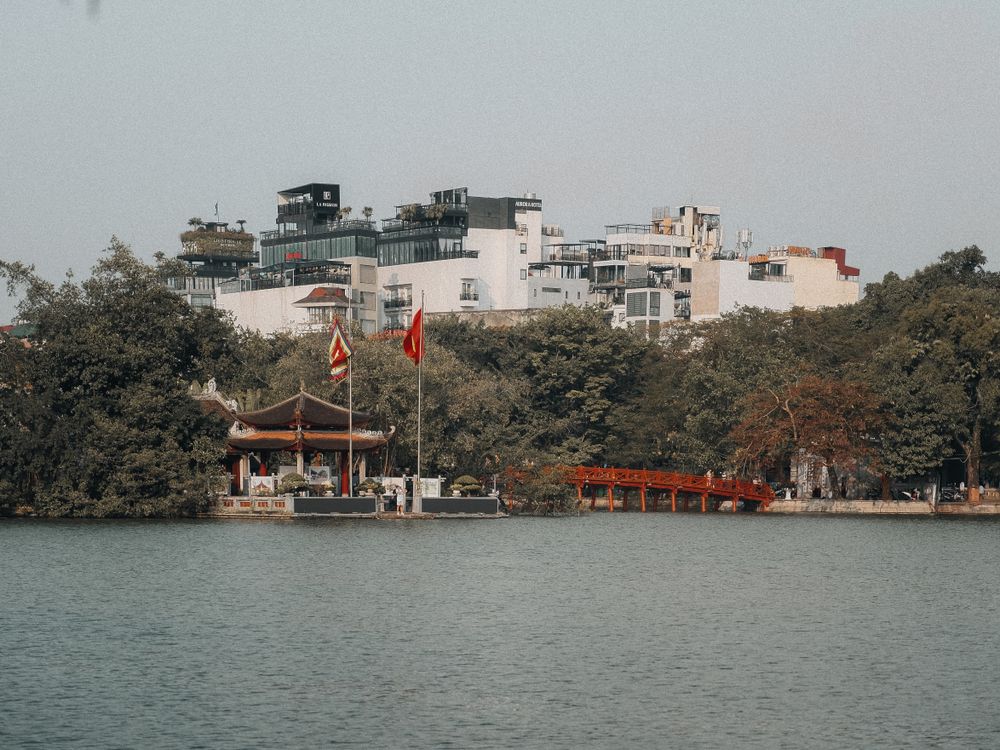
Hanoi is Vietnam's capital, and it feels like it — a thousand years old, a little chaotic, and completely itself.
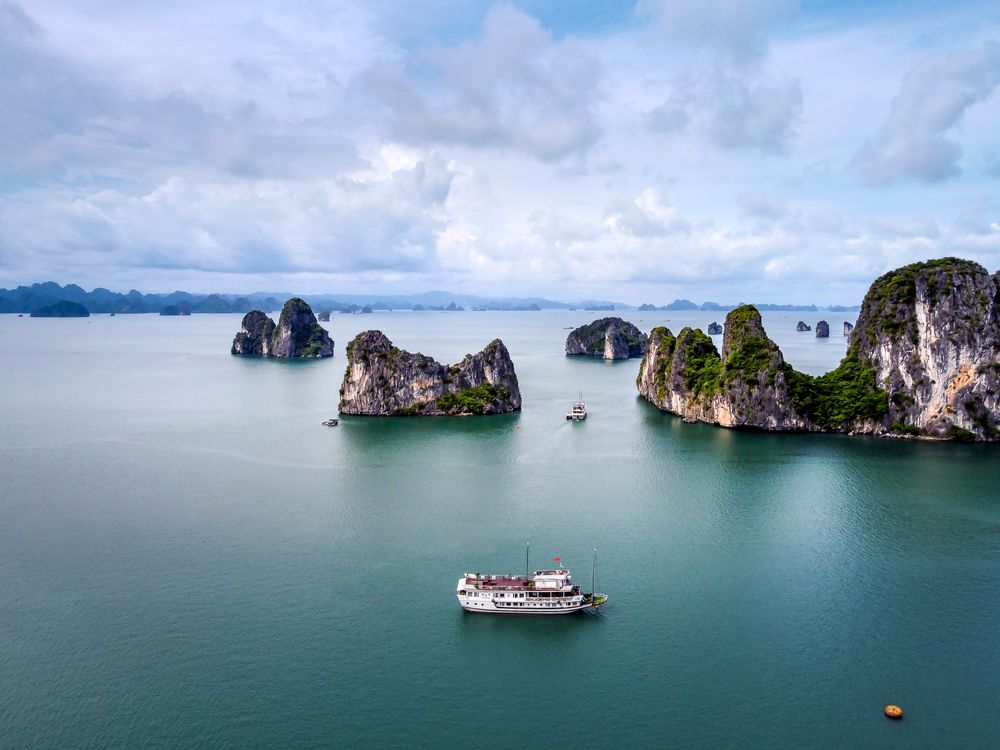
Ha Long Bay is the postcard of Vietnam: nearly 2,000 limestone islands rising out of emerald water in the Gulf of Tonkin, about 170 km east of Hanoi.
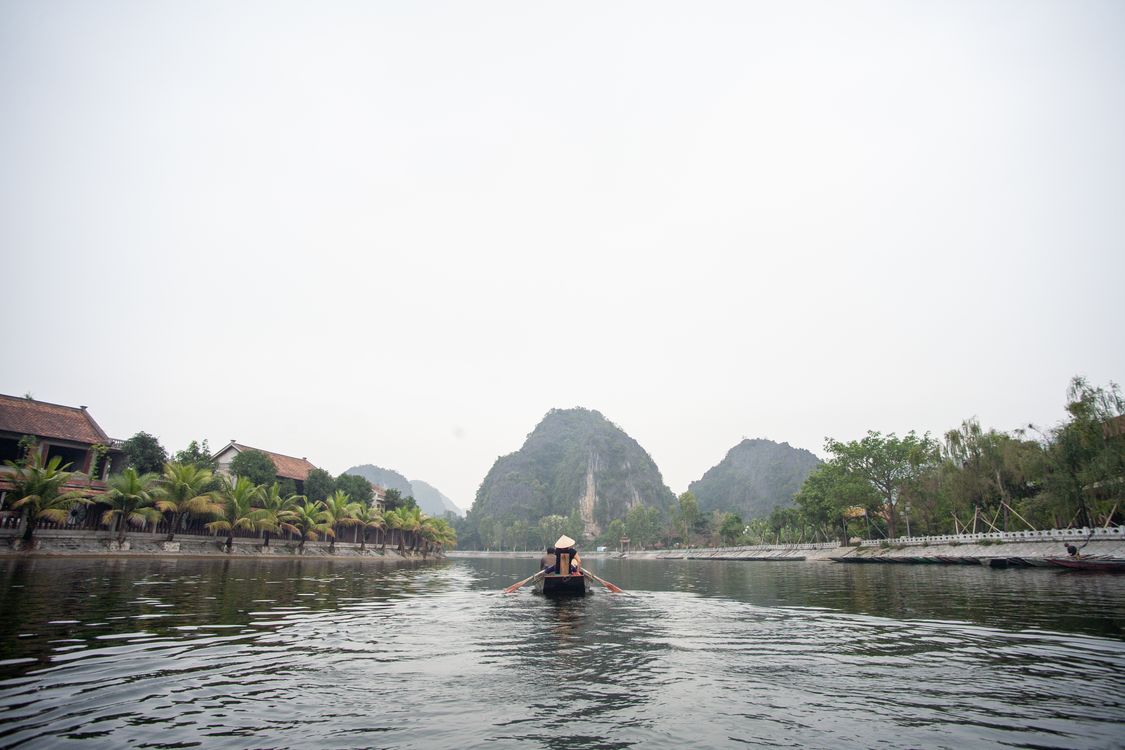
Ninh Binh sits about 95-100 km south of Hanoi, on the southern edge of the Red River Delta.
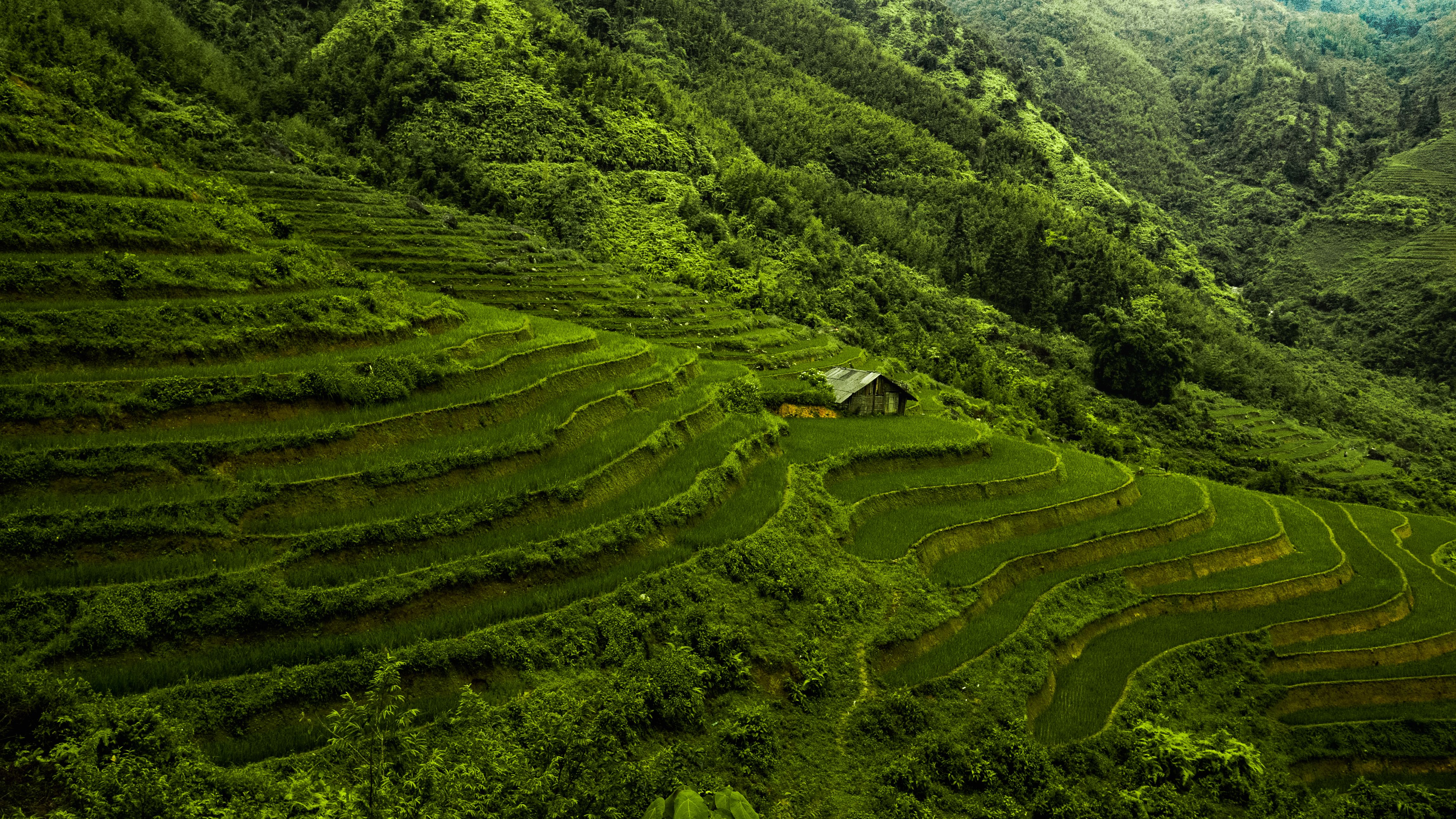
Sa Pa sits high in the Hoang Lien Son mountains of north-west Vietnam, about 320 km from Hanoi, near the Chinese border.
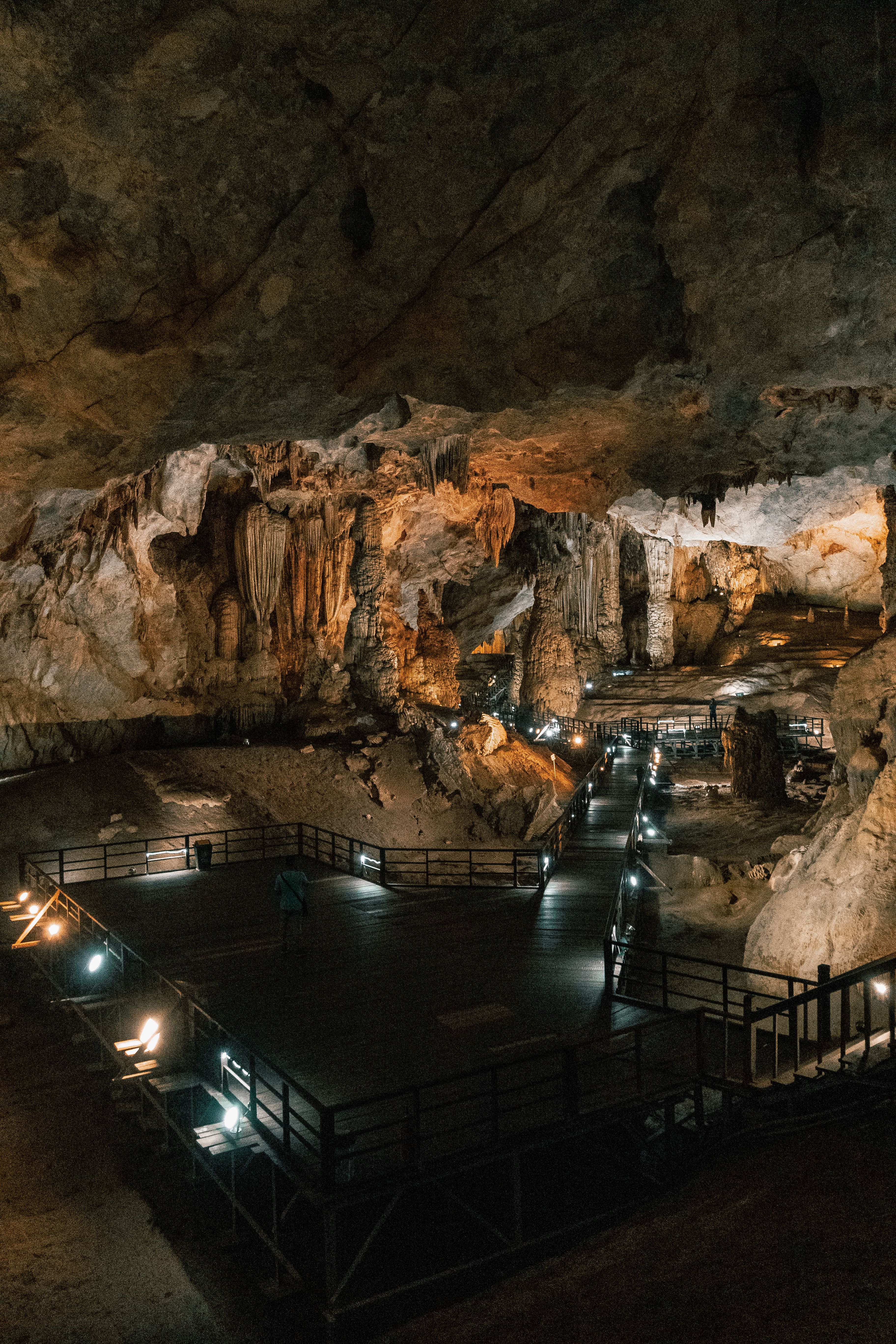
Phong Nha is a small, sleepy town on the Son River in central Vietnam, and the gateway to Phong Nha-Ke Bang National Park — a UNESCO World Heritage site and one of the great cave landscapes on Earth.
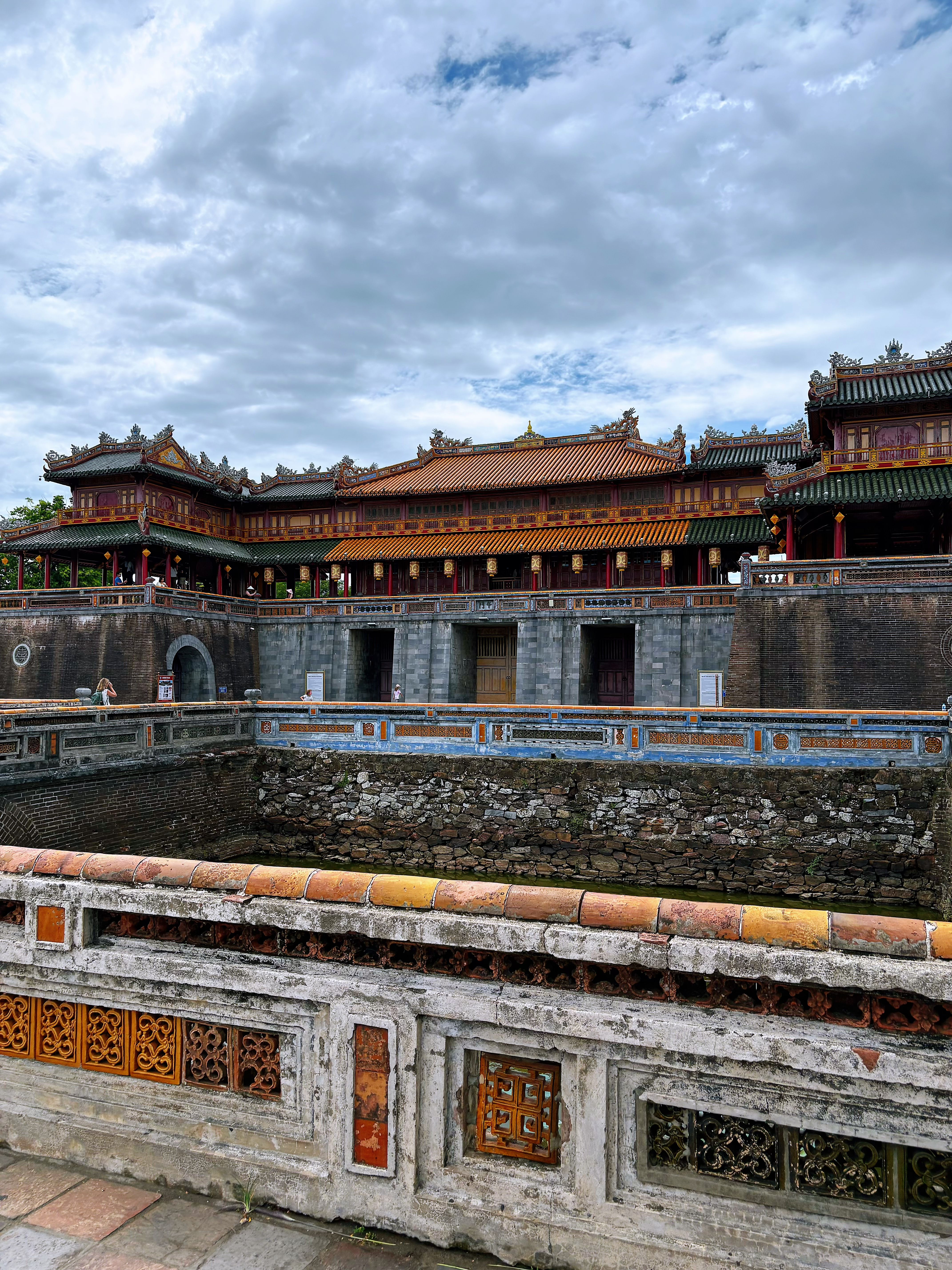
Hue is Vietnam's old imperial capital — slower, quieter and more graceful than Hanoi or Ho Chi Minh City.