Da Nang International Airport station
Tip: Ride-hailing pick-up is in a designated zone about 50 m from the arrivals hall — follow the signs instead of taking the first taxi that approaches you inside the terminal.
Open in Google MapsPrices checked November 2026. If a price at the ticket counter differs from this guide, the counter price is the one that counts.
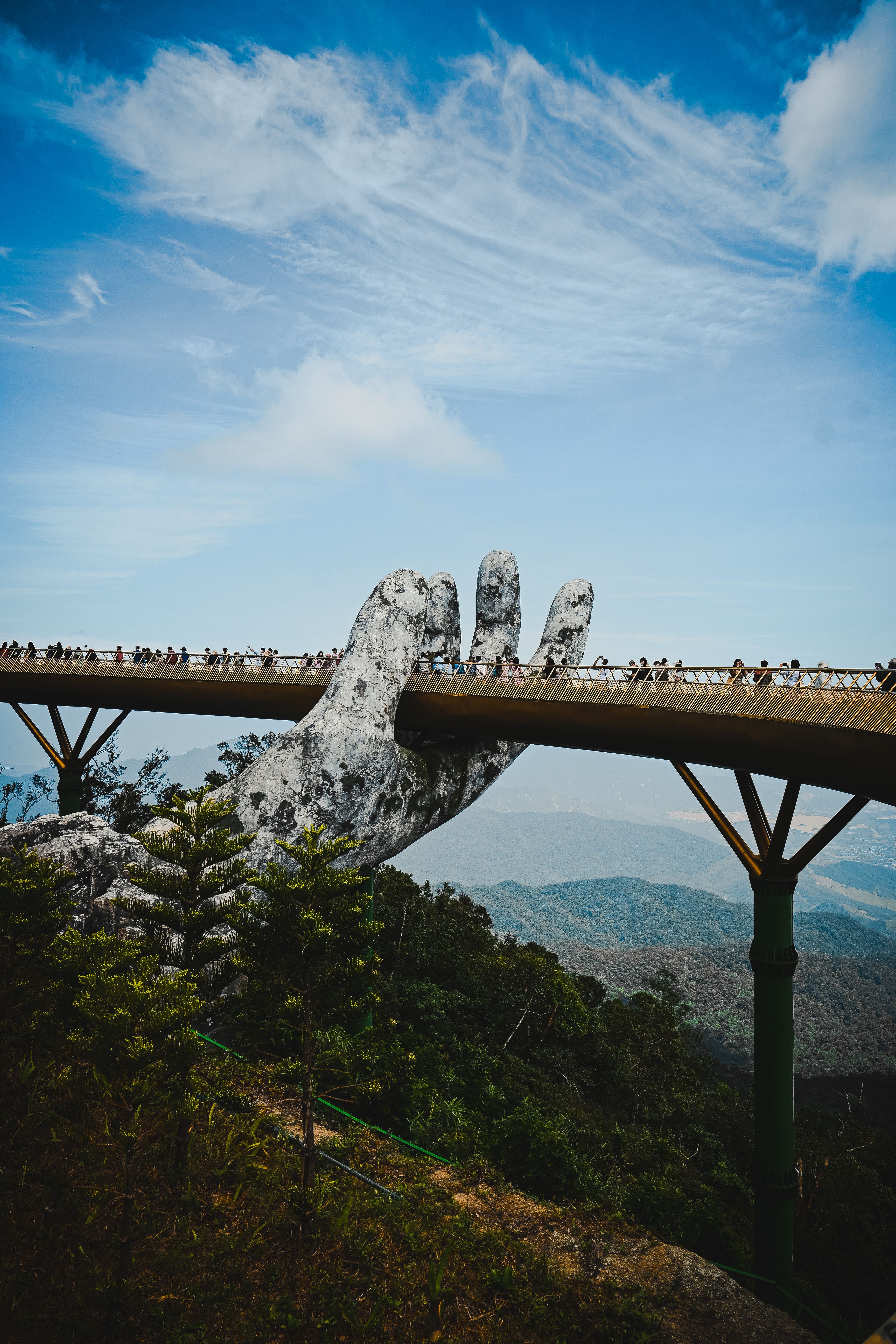
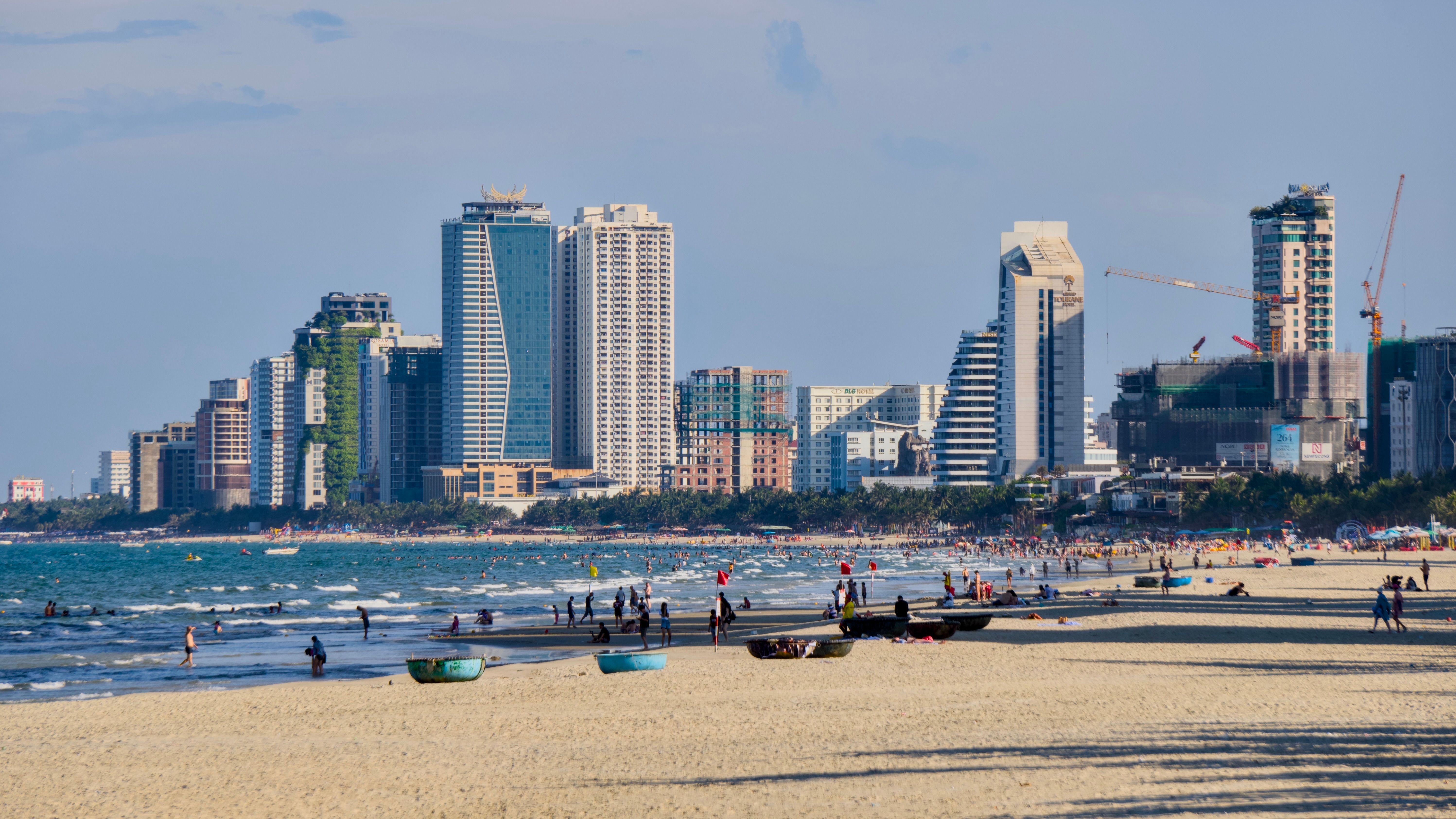
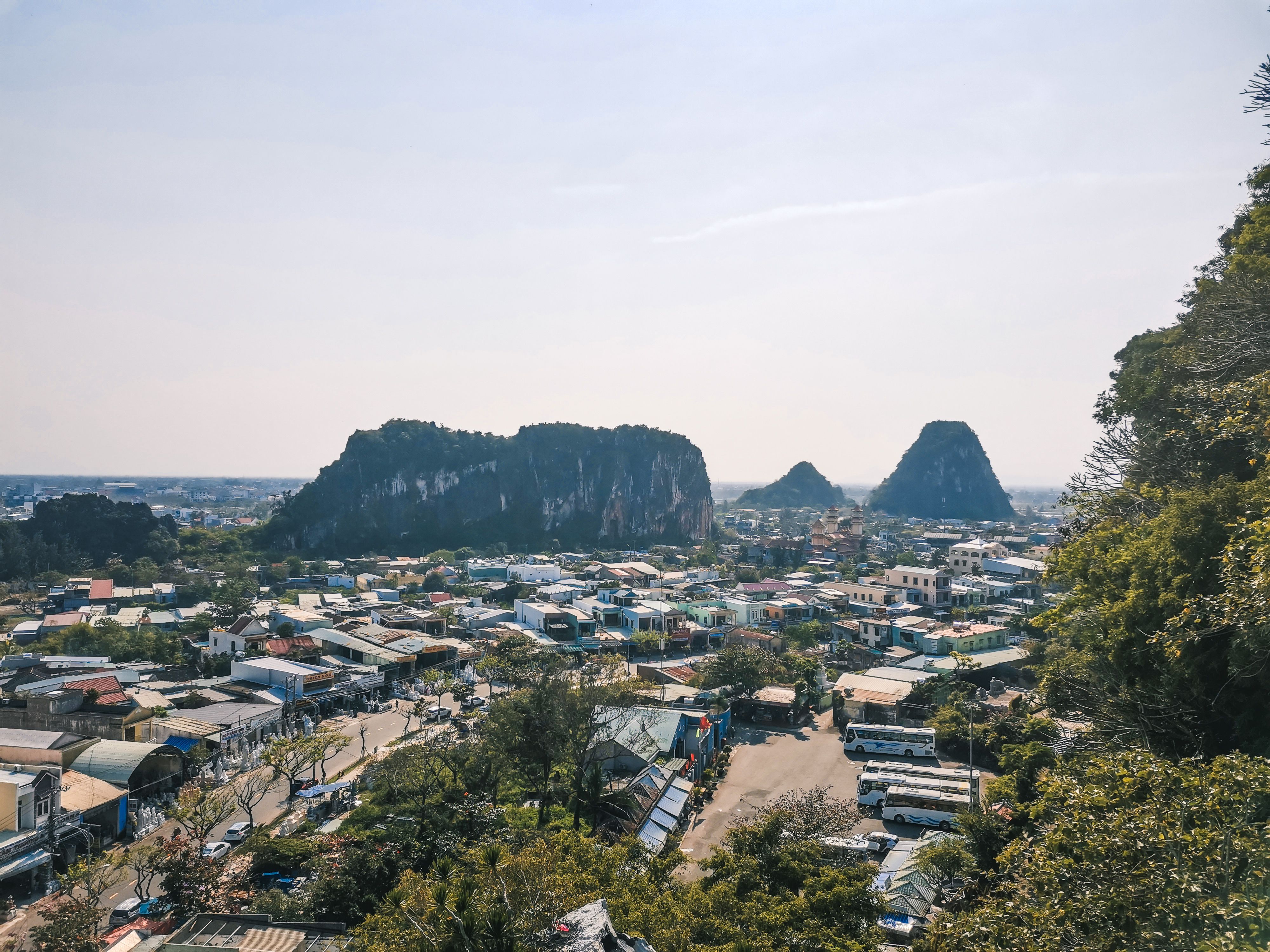
Da Nang sits on Vietnam's central coast, where the Han River meets the South China Sea. It is the country's most liveable big city — and one of the easiest places in Vietnam for a first-timer to enjoy. In a single weekend you can ride a cable car to the Golden Bridge in the clouds, climb the Marble Mountains, swim at My Khe Beach, eat your way through the morning markets, and watch the Dragon Bridge breathe fire on a Saturday night.
The city works well as a base: Hoi An is 30 minutes south, Hue is about 2.5 hours north by train over the Hai Van Pass, and the airport is only 10–15 minutes from downtown. Give Da Nang itself 2–3 days. The best weather runs from February to August — dry, sunny and warm. September to December brings rain and the occasional typhoon, so check the forecast if you travel then.
Da Nang suits almost everyone: families (easy transport, beaches, Ba Na Hills), couples (seafood dinners on the beach road, sunset at Son Tra), and first-timers who want Vietnam without the chaos of Hanoi or Ho Chi Minh City. Prices checked November 2026.
By plane. Da Nang International Airport (DAD) is about 3 km from the city centre, a 10–15 minute drive. Vietnam Airlines, VietJet Air and Bamboo Airways fly from Hanoi and Ho Chi Minh City in about 1.5 hours, several times a day. Fares change with the season, so check prices when you book — there is no fixed fare to quote here.
Tip: Ride-hailing pick-up is in a designated zone about 50 m from the arrivals hall — follow the signs instead of taking the first taxi that approaches you inside the terminal.
Open in Google MapsBy train. Da Nang Railway Station is on the main north–south line. The train from Hanoi takes about 16 hours; from Ho Chi Minh City about 17–18 hours. Sleeper berths run roughly 650,000–1,400,000 VND (~$25–54) depending on class and season — check schedules and prices on the Vietnam Railways booking site before you travel. The most scenic ride is the short hop to Hue: 2.5–3 hours over the Hai Van Pass, 100,000–250,000 VND (~$4–10). Sit on the sea side (left, going south) for the coastal views.
Tip: Book the daytime SE19/SE20 services for the Hai Van Pass views; night trains pass the coast in the dark.
Open in Google MapsBy bus or car. Sleeper buses run overnight from Hanoi (about 16–18 hours) and Ho Chi Minh City (about 18–20 hours). From Hue, a limousine van takes 2–3 hours and costs roughly $6–14 per seat; a private car costs about 1,000,000–1,500,000 VND (~$38–58).
Named sleeper operators from Hanoi include Futa (Phuong Trang), The Sinh Tourist and Queen Cafe (400,000–550,000 VND / ~$15–21), Hoang Long and Camel Travel (400,000–550,000 VND / ~$15–21, VIP 550,000–750,000 VND / ~$21–29), Viet Lao (double cabin about 450,000 VND / ~$17), and HK Buslines, Duong Vu and Quang Dung VIP Limousine (450,000–800,000 VND / ~$17–31). Check on 12Go/Vexere before booking.
Da Nang is flat, compact and easy to get around. Grab works well here for cars and motorbikes, and prices are shown up front, which removes the haggling. For street taxis, use these verified companies:
Always ask the driver to run the meter, and check that it starts at the flag-fall rate. A ride across the city centre usually costs 50,000–100,000 VND (~$2–4). A Grab or taxi to Hoi An (about 30 km, 30 minutes) costs 300,000–400,000 VND (~$12–15).
Motorbike rental costs about 150,000–200,000 VND (~$6–8) per day. You legally need an International Driving Permit with a motorbike endorsement to ride in Vietnam, and your travel insurance may not cover you without one. Wear a helmet, keep your speed down, and photograph the bike before you take it — rental shops sometimes claim damage you did not cause.
Walking works well in the riverside and beach areas, but the city is spread out, so you will still want a ride for Ba Na Hills, the Marble Mountains and Son Tra Peninsula.
Tip: Go early — the bridge is quietest before 09:00, and the mountain is often clearest in the morning before the clouds roll in. Since 2026, tickets are valid for 3 consecutive days with unlimited cable-car rides.
Open in Google MapsTip: Climb to Huyen Khong Cave between 09:00 and 11:00, when sunlight pours through the cave opening. Bring cash — the gate is cash-only. Wear shoes with grip; the stone steps are steep and slippery when wet.
Open in Google MapsTip: The 67-metre Lady Buddha statue is the tallest in Vietnam and looks out over the whole bay. Come at sunset for the best light, and dress modestly — shoulders and knees covered — since this is an active place of worship.
Open in Google MapsTip: Ride the coastal road around the peninsula for the best sea views in the city, and keep an eye out for the rare red-shanked douc langurs in the trees near the top. Do not ride up after dark — the road is steep, unlit in places, and the monkeys cross it.
Open in Google MapsTip: Watch from the riverside walkway on the east bank for the full view of the dragon. Arrive by 20:30 for a good spot, and expect crowds.
Open in Google MapsTip: The world's largest collection of Cham sculpture — sandstone gods and temple carvings from the ancient Champa kingdom, including many pieces recovered from My Son. Allow about an hour.
Open in Google MapsTip: The best swimming is early morning or late afternoon, when the sun is off the sand. The beach is long, so walk south past the hotels for quieter stretches. The sea is roughest from October to December.
Open in Google MapsTip: Come for the ground-floor food stalls (fresh fruit, dried seafood, local snacks) and the upstairs fabric and souvenir shops. Start bargaining at about half the first price and meet in the middle.
Open in Google MapsTip: Bigger and more local than Han Market — this is where Da Nang residents actually shop. The food court at the back is a great place for a cheap, honest lunch.
Open in Google MapsDa Nang's food is Central Vietnamese: bold, spicy and cheap. Mi Quang — turmeric noodles with pork, shrimp and herbs in a little broth — is the dish to try first. Bun cha ca (fish-cake noodle soup) is the breakfast of choice, and the beach road is lined with seafood restaurants where you pick your catch from the tanks.
Tip: Order mi quang thit bo (beef) or mi quang tom thit (shrimp and pork). Add the rice crackers on the table — they are meant to be crumbled into the bowl.
Open in Google MapsTip: The fish cakes are made fresh in-house. Eat it the local way: squeeze in the lime, add chilli to taste, and eat it hot and fast.
Open in Google MapsTip: A reliable breakfast spot, open all day. The broth is lighter and sweeter than the Hanoi version — very Central Vietnamese.
Open in Google MapsTip: Pick live seafood from the tanks and ask for the price per kilo first. Grilled scallops, garlic prawns and steamed clams with lemongrass are the safe bets.
Open in Google MapsVegetarian and allergies: Vegetarian restaurants exist in the city centre, but most street-food stalls cook with fish sauce and shrimp paste. If you have a peanut or shellfish allergy, learn the phrase "Toi bi di ung" (I am allergic) and name the ingredient — see section L. Seafood restaurants are the worst place for a shellfish allergy, obviously; stick to the noodle shops and ask for a vegetarian version.
Stay in one of two areas: along the Han River (Bach Dang Street) for the city, markets and Dragon Bridge, or along My Khe Beach (Vo Nguyen Giap Street) for the sand and the sea breeze. The beach side is quieter and better for families; the river side is better for food and nightlife.
Tip: Mid-range to high-end, right on the river with views of the Dragon Bridge — book a river-view room if you want to watch the fire show from your window.
Open in Google MapsTip: High-end beachfront resort on My Khe Beach, with a spa and direct beach access. Good for a splurge night or a family stay.
Open in Google MapsTip: High-end, on the river in the city centre — convenient for the markets, the Cham Museum and the Dragon Bridge.
Open in Google MapsBudget rooms and hostels cluster around the backpacker streets near the Han River and in the An Thuong area by My Khe Beach. Compare prices on Agoda (https://www.agoda.com) and Booking.com (https://www.booking.com) — rates change by season, and the same room can differ by 20–30% between the two sites. Book early for February–April, the busiest months.
1 day — the highlights. Morning: Marble Mountains, then My Khe Beach for a swim. Afternoon: Museum of Cham Sculpture and Han Market. Evening: dinner on the beach road, then the Dragon Bridge fire show at 21:00 (Friday–Sunday).
2 days — add Ba Na Hills. Day 1 as above. Day 2: full day at Ba Na Hills and the Golden Bridge (leave by 07:30, back by late afternoon). Evening: Linh Ung Pagoda at sunset, then a seafood dinner on Vo Nguyen Giap Street.
3 days — add Son Tra and Hoi An. Day 3: morning ride around Son Tra Peninsula, afternoon day trip to Hoi An (30 minutes away) for the lanterns, or take the train to Hue for the day if you prefer history over tailors.
Prices checked November 2026. 1 USD ≈ 26,000 VND.
ATMs are everywhere in the centre and along the beach road; most accept foreign cards and charge 20,000–50,000 VND (~$0.80–1.90) per withdrawal. Credit cards work in hotels, larger restaurants and malls, but street food, markets and small shops are cash-only. Bring small notes — 500,000 VND bills are hard to break at a noodle stall. Currency exchange is available at banks and gold shops on Hung Vuong Street; avoid the airport exchange counters, whose rates are poor.
Tip: Phone: 0236 3821 118. This is the city's main public hospital. For international-standard care, ask your hotel to direct you to a private international clinic.
Open in Google MapsScams to watch for: Taxi drivers who "forget" the meter or take a long route — use Grab or a verified company. Motorbike rental shops that claim damage on return — photograph the bike first. Market vendors who quote a tourist price — bargain politely, and walk away if the price does not move. At Ba Na Hills, buy tickets only at the official counter or through a trusted booking site, never from touts in the car park.
October is the wettest month (about 628 mm of rain on long-term averages) and November is not far behind (about 448 mm). Typhoon season on the central coast runs from September to December, peaking from early October to mid-November. Heavy rain floods underpasses and riverside roads, and saturated hillsides raise the landslide risk on Son Tra, the Hai Van Pass and the Ba Na Hills road — the city warned visitors off all three during the October 2026 storms. The sea is rough from October to January; swim only where lifeguards are on duty. The best window is February to August. See the full picture on our Seasonal Hazards & Natural Dangers page.
Seasons: February to August is dry and sunny, with temperatures of 28–35°C. September to December is the rainy season — pack a rain jacket and expect afternoon downpours. January is cool and pleasant (20–25°C) but can be overcast.
Culture and etiquette: Dress modestly at pagodas and temples — cover shoulders and knees. Remove shoes when entering a temple hall or someone's home. Pointing with feet is rude; so is touching someone's head. A smile and a small bow go a long way.
Bargaining: Expected at markets and with street vendors, not in restaurants, shops with price tags, or taxis with meters. Stay friendly, start at about half, and accept the deal with a smile.
What to pack: Sunscreen (the sun is fierce even on cloudy days), a rain jacket in the wet season, comfortable walking shoes for the Marble Mountains' steep steps, and a light layer for Ba Na Hills — it is 1,400 m up and noticeably cooler than the city.
For day trips and skip-the-line tickets, check the official homepages of Klook (https://www.klook.com), GetYourGuide (https://www.getyourguide.com) and Viator (https://www.viator.com). Popular bookable options include Ba Na Hills tickets with hotel pick-up, a Marble Mountains and Son Tra half-day tour, a street-food tour of the city centre, and a day trip combining the Marble Mountains with Hoi An. Compare prices across the three sites — the same tour often appears on all of them at slightly different prices. No affiliate links are used on this site.
Da Nang's edible souvenirs are Central Vietnamese: sesame sweets, beef sausage and dried seafood, all sold in the dry-goods section of Han Market (Place block in Section D). Most stalls vacuum-pack for travel, and the ground floor is where the food is — the upstairs is fabric and clothing. Start bargaining at about half the first price and meet in the middle.
Banh kho me is Da Nang's signature sweet: a crisp, lightly sweet cake of glutinous rice, sugar, peanuts and roasted sesame, from Cam Le on the city's edge. It keeps well, travels well, and is the gift Hanoians and Saigonese ask for from Da Nang. Look for the Ba Lieu brand, the best-known maker.
Cha bo is Da Nang's firm, fragrant beef sausage — lean beef pounded with garlic, pepper and fish sauce, steamed in banana leaves. Locals eat it sliced with banh mi or rice; visitors buy it vacuum-packed as a gift. It is perishable, so buy it on your last day and keep it cool.
Dried squid, dried shrimp and fish snacks are the other Han Market staple — most stalls vacuum-pack them for the suitcase, and they are the gift that tastes most like the Central coast.
Small marble bracelets, rings, pendants, incense holders and animal figures, carved in the village at the foot of the Marble Mountains. They are the most durable Da Nang souvenir — nothing to eat, nothing to break. See Section O for the village itself.
Tip: Small souvenir items are sometimes made from composite stone or resin rather than natural marble — ask the seller, and buy from a workshop where you can see carving in progress.
Open in Google MapsNon Nuoc has carved stone since the late 17th century, when artisan Huynh Ba Quat came from Thanh Hoa and settled at the foot of the Marble Mountains. Today the village has around 500 workshops, and in 2014 it was recognised as a National Intangible Cultural Heritage site. Walk the streets around the Marble Mountains and you will hear chisels all day: artisans turning marble, limestone and sandstone into statues, temple pieces, jewellery and souvenirs. There is no entrance fee — just walk in, watch the work, and buy from the workshop that made the piece. Combine it with the Marble Mountains, which are right next door. The Place block, address and hours are in Section N above.
Real vs resin: the village's reputation rests on natural stone, but some cheap souvenir stalls near the Marble Mountains entrance sell resin copies. Real marble feels cold to the touch, is heavy for its size, and has natural veining that never repeats exactly. If a "marble" bracelet is light, warm and perfectly uniform, it is probably resin.
Jolie is a local host from Hoi An who runs cooking classes from her family home in Da Nang. The full experience starts in an organic garden (farming life, herbs, picking what you will cook), continues to Han Market to shop for fresh ingredients together, then moves to a home-style kitchen where you cook four Vietnamese dishes hands-on and eat them together — and finishes with a traditional lantern-making session. Shorter versions skip the farm and lantern parts and focus on the market and cooking. Classes are small (up to 9-10 people), vegetarian and vegan menus are available, and there is a public-holiday surcharge. Book at https://joliecookingclass.com — the official site lists the current packages and prices.
Tip: The market visit is a separate package from the cooking-only class — check what your booking includes before you go, and arrange your own transport to the meeting point.
Open in Google MapsCulture note: Vietnamese home cooking is shared, not served in courses. Help with the small jobs (washing herbs, setting the table) — your host will notice and appreciate it — and say "ngon qua" (so delicious) about the food you cooked together. It is the compliment that matters most.
Useful apps for your Da Nang trip — download before you arrive:
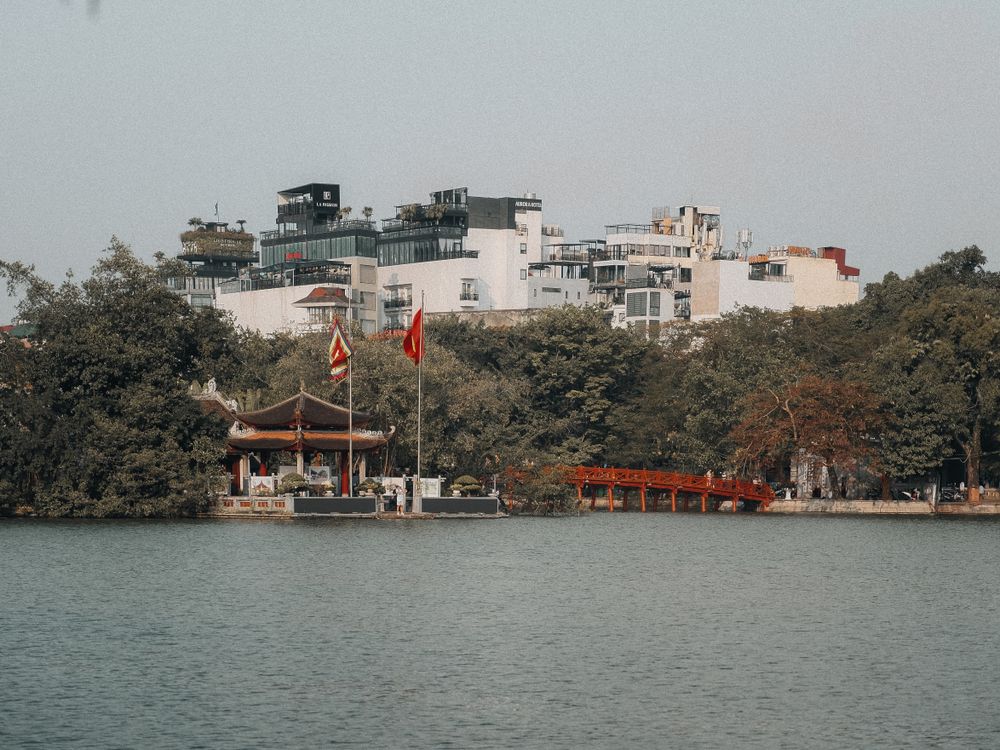
Hanoi is Vietnam's capital, and it feels like it — a thousand years old, a little chaotic, and completely itself.
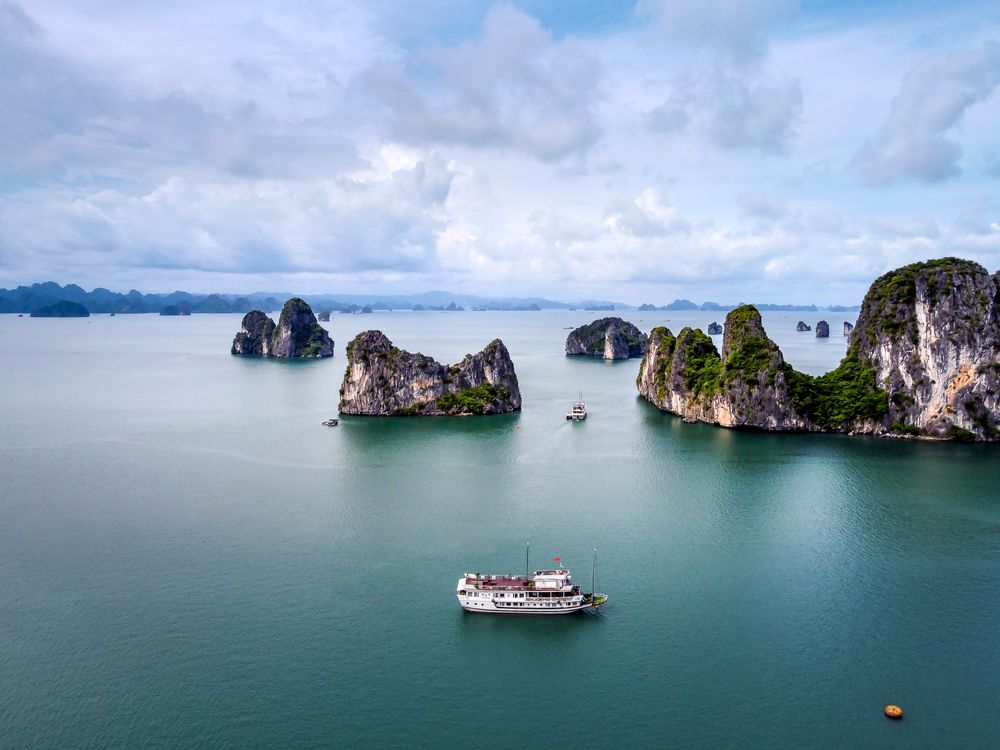
Ha Long Bay is the postcard of Vietnam: nearly 2,000 limestone islands rising out of emerald water in the Gulf of Tonkin, about 170 km east of Hanoi.
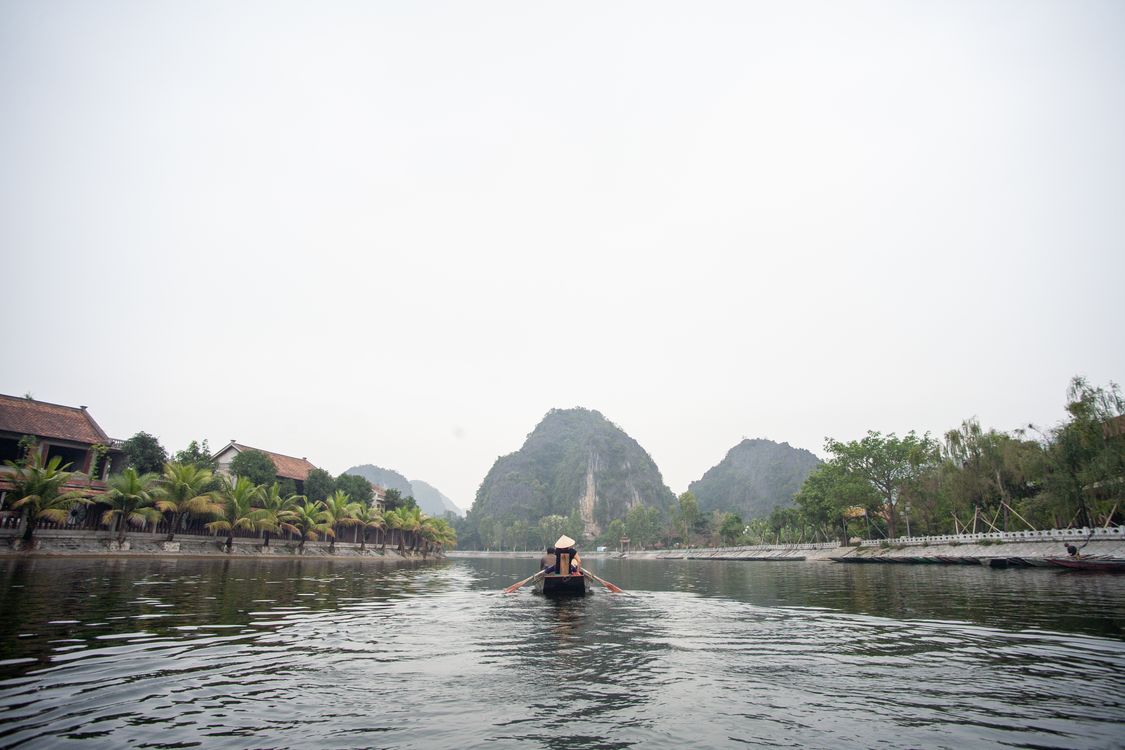
Ninh Binh sits about 95-100 km south of Hanoi, on the southern edge of the Red River Delta.
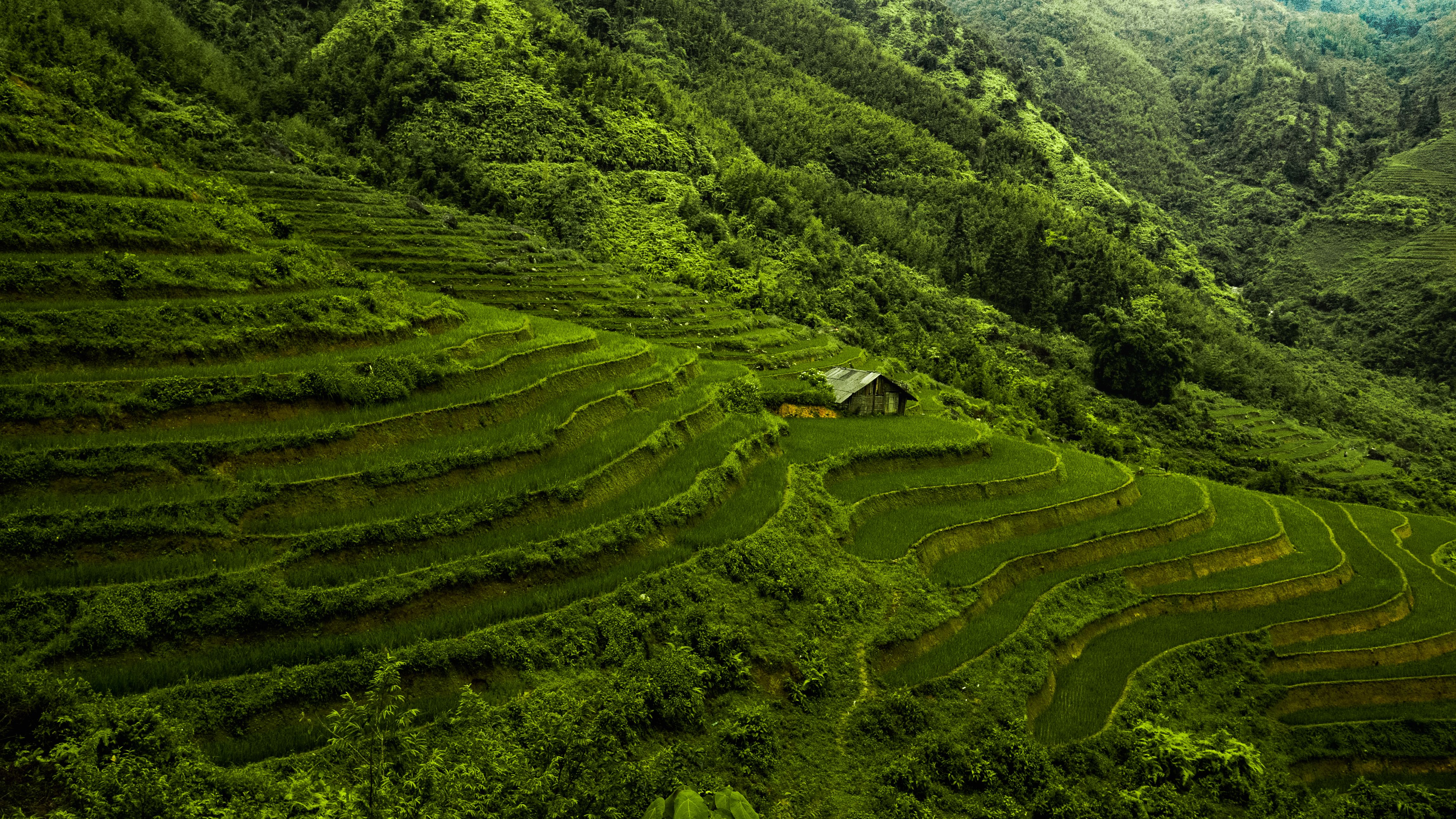
Sa Pa sits high in the Hoang Lien Son mountains of north-west Vietnam, about 320 km from Hanoi, near the Chinese border.
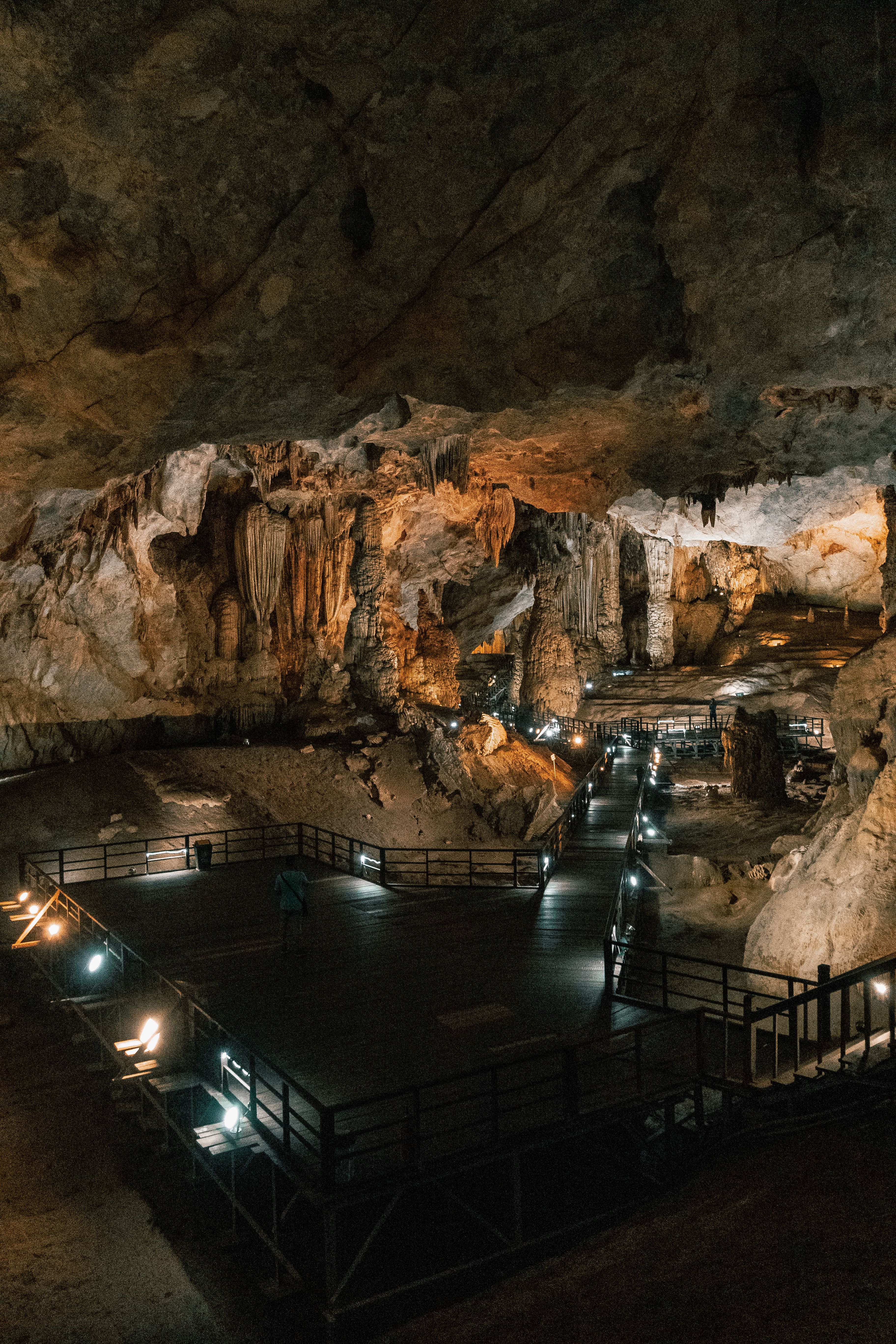
Phong Nha is a small, sleepy town on the Son River in central Vietnam, and the gateway to Phong Nha-Ke Bang National Park — a UNESCO World Heritage site and one of the great cave landscapes on Earth.
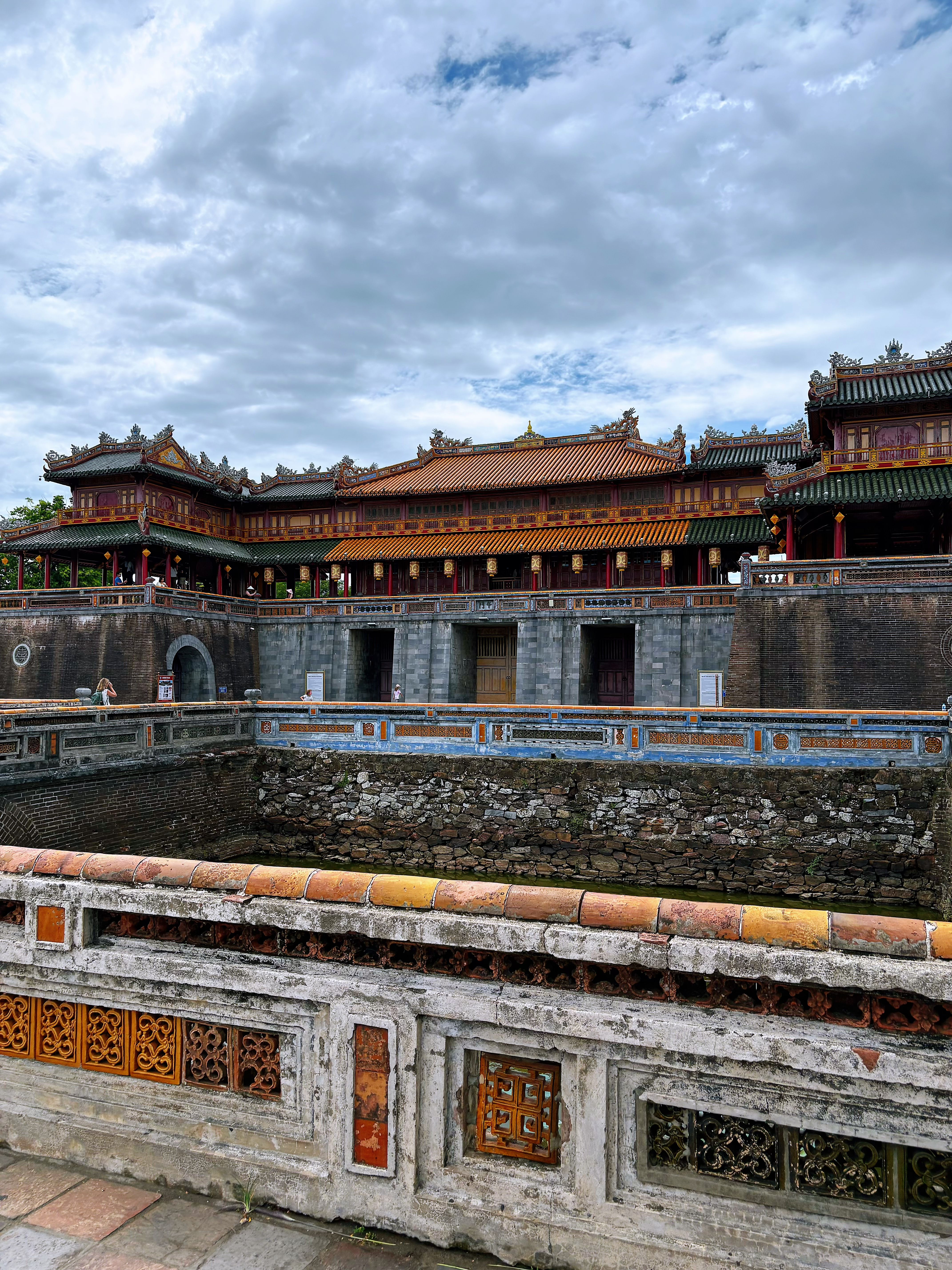
Hue is Vietnam's old imperial capital — slower, quieter and more graceful than Hanoi or Ho Chi Minh City.