Tan Son Nhat International Airport station
Tip: Use the Grab pickup point shown in the app, and ignore drivers who approach you inside the terminal offering a "cheap" fixed price.
Open in Google MapsPrices checked November 2026. If a price at the ticket counter differs from this guide, the counter price is the one that counts.
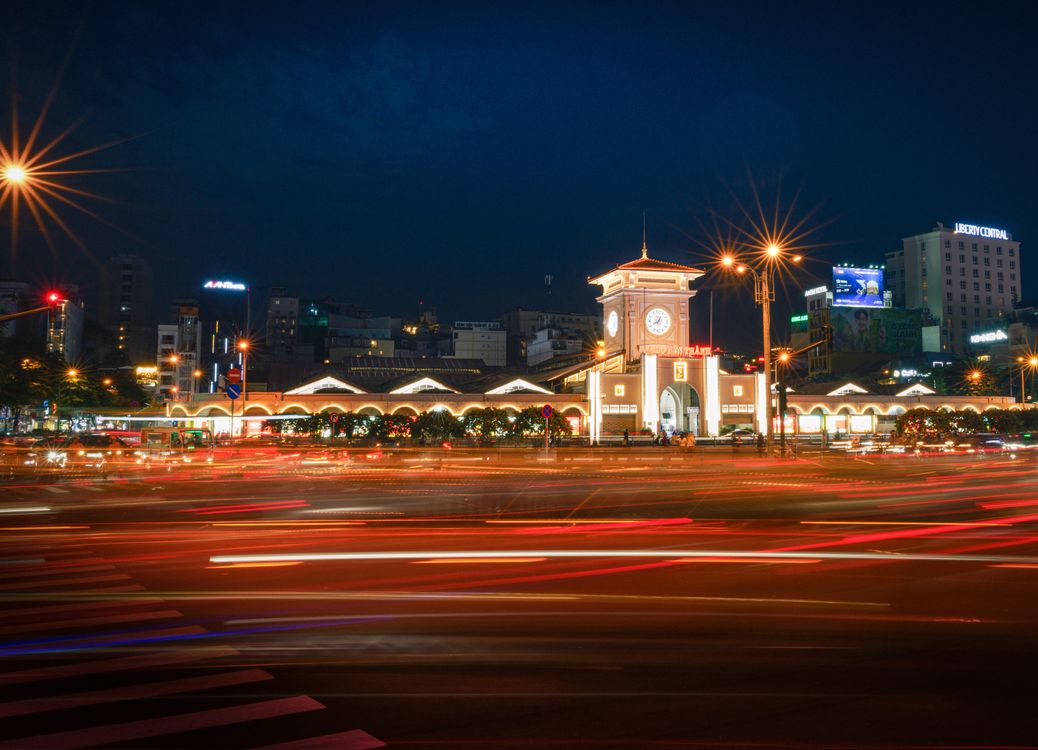
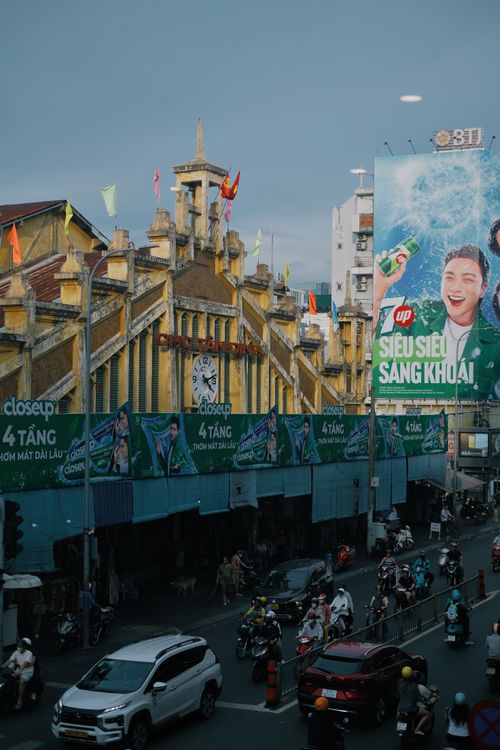
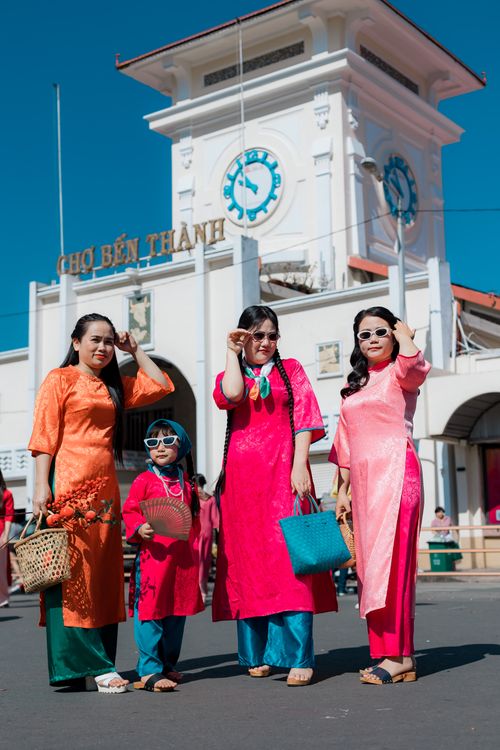
Ho Chi Minh City — still called Saigon by almost everyone who lives there — is Vietnam's biggest, busiest, most electric city. It is a place of beautiful contradictions: French colonial facades beside glass towers, quiet pagodas a block from roaring motorbike traffic, and some of the best street food on earth served from plastic stools on the sidewalk.
Most first-timers need 3 to 4 days here. Two days covers the central sights and the food; a third day is for the Cu Chi Tunnels or a Mekong Delta trip; a fourth lets you slow down and explore Cholon (Chinatown) or the riverside cafes of Thao Dien. The best time to visit is the dry season, December to April, when the skies are mostly clear and the humidity eases off a little. May to November brings afternoon downpours — heavy but usually short.
The city suits almost everyone: first-timers who want an easy, walkable introduction to Vietnam, food lovers, history buffs, and families with older kids (the War Remnants Museum is intense, so it is best for ages 12 and up). Backpackers cluster around Bui Vien and Pham Ngu Lao streets, while couples and comfort-seekers tend to stay near Dong Khoi and Nguyen Hue.
Getting here is easy. Most international visitors fly into Tan Son Nhat International Airport (SGN), about 8 km from the city center. There is no train or metro link to the airport — a Grab car or taxi takes 30 to 45 minutes depending on traffic. If you are already in Vietnam, overnight trains and sleeper buses connect Saigon with Nha Trang (about 7 to 8 hours by train), Da Lat, and the Mekong Delta.
Prices checked November 2026. Exchange rate used in this guide: 1 USD ≈ 26,000 VND.
By plane. Tan Son Nhat International Airport (SGN) handles most international arrivals to southern Vietnam. Airlines flying here include Vietnam Airlines, VietJet Air, Bamboo Airways, and many international carriers. A Grab car from the airport to District 1 costs roughly 110,000–250,000 VND (~$4–$10), with the price locked in before you book. A metered taxi costs about the same; agree on the meter, not a flat price, before you get in.
By train. Saigon Railway Station is the southern terminus of Vietnam's north–south line. The train from Nha Trang takes 7 to 8.5 hours, with seats from around 347,000 VND (~$13) and 4-berth sleepers from around 591,000 VND (~$23). The full journey from Hanoi takes 30-plus hours — most travelers fly that leg instead and save the train for shorter hops like Nha Trang or Phan Thiet.
By bus. Sleeper buses run from Nha Trang (8 to 9 hours, from around 370,000 VND / ~$14), Da Lat (7 to 8 hours), and the Mekong Delta. Phuong Trang (FUTA Bus) is the biggest operator. Buses arrive at Mien Dong (Eastern) or Mien Tay (Western) bus stations, both a Grab ride from the center.
By private car. A private car with a driver from the Mekong Delta or the coast costs roughly 1,500,000–3,000,000 VND (~$58–$115) per day depending on distance. Your hotel can arrange one, or book through your hotel's front desk the night before.
Tip: Use the Grab pickup point shown in the app, and ignore drivers who approach you inside the terminal offering a "cheap" fixed price.
Open in Google MapsTip: Book sleeper berths a few days ahead in high season; lower berths cost more but are easier to climb into.
Open in Google MapsMetro Line 1. Saigon finally has a metro. Line 1 opened in December 2024 and runs 19.7 km from Ben Thanh Market in the center out to Suoi Tien in the east, with 14 stations. Trains run 5:00–22:00 daily. Single trips cost 7,000–20,000 VND (~$0.30–$0.80) in cash, or 6,000–19,000 VND by card or app; a day pass is 40,000 VND (~$1.50) and a 3-day pass is 90,000 VND (~$3.50). It is clean, cool, and cheap — but note that it does not serve the airport, and most central sights (War Remnants Museum, Notre-Dame, the Palace) are a walk or short Grab ride from its downtown stations, not right at them.
Grab and taxis. Grab is the easiest way to get around: the price is fixed in the app before you book, and you can pay by card or cash. For street taxis, stick to the two trusted companies — Vinasun (call 028 38 27 27 27) and Mai Linh (call 1055 or 028 38 38 38 38) — and check that the phone number painted on the car matches. Copycat cabs in similar colors run rigged meters; a real Vinasun is white with green and red stripes, a real Mai Linh is green. A short ride across District 1 usually costs 40,000–80,000 VND (~$1.50–$3).
Motorbike rental. Renting a scooter costs roughly 150,000–250,000 VND (~$6–$10) per day. Saigon traffic is intense and is not a good place to learn to ride — only rent if you are already confident, wear a helmet, and carry an international driving permit with a motorcycle endorsement. Most rental shops will ask for your passport as a deposit; offer a photocopy and a cash deposit instead if you can.
Walking. District 1's core — Ben Thanh, Nguyen Hue, Dong Khoi, the Opera House, the Post Office — is compact and best explored on foot in the early morning or after sunset. Cross streets slowly and steadily; the motorbikes flow around you if you do not stop or dart.
Saigon Waterbus. The river bus runs from Bach Dang Station (near Nguyen Hue) up the Saigon River for 15,000 VND (~$0.60) per ride. It is a cheap, breezy way to see the skyline, especially at sunset.
Start in District 1, where nearly everything sits within a 20-minute walk. Give the War Remnants Museum and the Independence Palace a full morning between them — they are the two sights that explain modern Vietnam best, and both are heavy in different ways.
Tip: The outdoor display of tanks and aircraft is free to look at from the courtyard, but the indoor photo exhibitions are the heart of the visit — and they are graphic. Allow 1.5 to 2 hours, and plan something light afterwards.
Open in Google MapsTip: Go at opening time for empty rooms and soft light in the reception halls. The basement command bunker and the two tanks on the front lawn are the highlights — the tanks are replicas of the ones that crashed the gates on 30 April 1975.
Open in Google MapsTip: Come before 9:00 AM for cooler air and more flexible prices. The food stalls at the back serve excellent pho and broken rice — eat where the locals are sitting.
Open in Google MapsTip: Step inside for the vaulted hall, the giant portrait of Ho Chi Minh, and the old phone booths. It is still a working post office, so you can actually mail a postcard home.
Open in Google MapsTip: The twin red-brick towers photograph best in the late afternoon, with the Post Office across the square in the same frame.
Open in Google MapsTip: The AO Show (a mix of acrobatics, dance, and bamboo circus) is the most visitor-friendly performance. Book a few days ahead.
Open in Google MapsTip: Come at sunset for the city lights coming on along the Saigon River. The 49th-floor Skydeck is the classic viewpoint; Landmark 81 across the river now has a taller deck if you want the highest view in Vietnam.
Open in Google MapsTip: Ben Dinh is the closer, busier site (about 50 km, 1.5 hours from the center); Ben Duoc, about 70 km out, is quieter and more spread out. Most half-day tours go to Ben Dinh and include transport — budget around 500,000–700,000 VND (~$19–$27) per person for a group tour with pickup. Wear shoes you can get muddy and clothes you do not mind crawling in; the tunnel sections are short but tight and hot.
Open in Google MapsTip: Go early in the morning when the incense smoke is thick and the chanting starts. It is one of the city's most atmospheric temples, and far less crowded than the central sights.
Open in Google MapsTip: This is Cholon's wholesale heart — far more local than Ben Thanh, and the place to see how the city really shops. Pair it with Thien Hau Temple, a 10-minute walk away.
Open in Google MapsTip: Look up: hundreds of incense coils hang from the ceiling, and the rooftop ceramic figures are some of the finest in the city. It is an active temple, so dress modestly and keep your voice down.
Open in Google MapsTip: Fun for one evening of people-watching and cheap beer, but keep your bag in front of you and agree on drink prices before you sit down — a few bars here have a reputation for surprise bills.
Open in Google MapsSaigon is one of the great eating cities of the world, and you do not need a big budget to eat brilliantly. The rules are simple: eat where it is busy, eat what the place is famous for, and carry small notes — many of the best spots are cash-only.
Pho is the obvious start, and Saigon's version is sweeter and more herb-heavy than Hanoi's. Com tam (broken rice with grilled pork chop, shredded pork skin, and a fried egg) is the city's soul food, eaten at any hour. Banh mi needs no introduction — the best ones are stuffed to bursting and cost less than a dollar. In the evening, look for hu tieu Nam Vang (Cambodian-style pork noodle soup) and banh xeo (crispy stuffed pancakes).
Tip: In business since 1968 and holding a Michelin Bib Gourmand. Order the pho dac biet (special) and add the fresh herbs and bean sprouts from the table basket. It is a 10-minute Grab ride from Ben Thanh.
Open in Google MapsTip: The most famous banh mi in the city — pate, cold cuts, pork floss, and pickled vegetables, packed until the baguette nearly bursts. The line moves fast. Eat it on the spot; it does not travel well.
Open in Google MapsTip: A Saigon institution for nearly 30 years. The grilled pork chop is the star — thick, smoky, and bigger than the plate. It is in Phu Nhuan, a short Grab ride north of the center.
Open in Google MapsTip: The prettiest Vietnamese restaurant in the city — a converted French-era house full of antiques, serving home-style dishes like caramelized pork in clay pot and morning glory with garlic. Book ahead for dinner.
Open in Google MapsTip: The city's best-known vegetarian restaurant, set in a calm garden villa near the War Remnants Museum. The menu is entirely plant-based and the lotus rice is the signature. Good for a quiet lunch after the museum.
Open in Google MapsVegetarian and allergies: Vegetarian restaurants are easy to find — search for "chay" (vegetarian) on Google Maps, and note that many Buddhist vegetarian places close on the 1st and 15th of the lunar month when they are busiest, not closed. Peanuts, shrimp paste, and fish sauce are everywhere: if you have a serious allergy, carry a Vietnamese allergy card and show it before ordering, because "no peanuts" does not always survive translation in a busy street stall.
Coffee: Saigon runs on ca phe sua da (iced coffee with condensed milk), around 20,000–35,000 VND (~$0.80–$1.35) at street cafes. The Cafe Apartments at 14 Huynh Thuc Khang, overlooking Nguyen Hue Walking Street, are worth the climb for the view alone.
Stay in or near District 1 for a first visit — everything is walkable, and Grab rides anywhere else in the center cost very little. The Bui Vien / Pham Ngu Lao area is the backpacker hub: dorm beds run roughly 150,000–300,000 VND (~$6–$12) a night and budget private rooms 400,000–700,000 VND (~$15–$27). Around Dong Khoi and Nguyen Hue you pay more for quieter streets and river views. Thao Dien, across the river, is the expat neighborhood — leafier, calmer, and a metro ride from the center.
Book through Agoda (https://www.agoda.com) or Booking.com (https://www.booking.com) — both list Saigon's full range, and prices swing a lot by season, so compare the two before you commit.
Tip: A colonial-era classic facing the Opera House, in business since 1880. Mid-range prices for a grand old address, and the ground-floor terrace is a lovely spot for a slow breakfast.
Open in Google MapsTip: The city's most refined hotel, on Lam Son Square beside the Opera House. The pool and spa are a genuine oasis after a day in the heat.
Open in Google MapsTip: The most over-the-top luxury in the city, in the Times Square building on Nguyen Hue Walking Street. The Italian-designed suites are extraordinary, and the rooftop bar has one of the best skyline views in Saigon.
Open in Google Maps1 day — the essentials. Morning: Independence Palace at opening (7:00), then the War Remnants Museum. Lunch: pho at Pho Hoa Pasteur. Afternoon: Central Post Office and Notre-Dame Cathedral, then Ben Thanh Market for souvenirs and a banh mi at Huynh Hoa. Evening: sunset from the Bitexco Skydeck, dinner at Cuc Gach Quan, and a stroll down Nguyen Hue Walking Street.
2 days — add the tunnels. Day 1 as above. Day 2: half-day trip to the Cu Chi Tunnels in the morning (leave by 7:30), back in the city for a late lunch of com tam at Ba Ghien. Afternoon: Jade Emperor Pagoda and a coffee in the Cafe Apartments. Evening: Bui Vien for street food and people-watching.
3 to 4 days — slow down. Day 3: Cholon in the morning (Binh Tay Market, Thien Hau Temple, a Chinese breakfast of dim sum), then the afternoon in Thao Dien — riverside cafes, the metro ride out and back. Day 4: a full-day Mekong Delta trip (My Tho and Ben Tre are the classic first-timer route), or a slow day of cafes, the Fine Arts Museum, and a cooking class.
Prices checked November 2026.
Cash is still king at street stalls and markets — carry plenty of small notes (10,000, 20,000, and 50,000 VND). ATMs are everywhere in District 1 and accept foreign cards, usually with a fee of 50,000–100,000 VND per withdrawal. Cards are accepted at hotels, malls, and mid-range restaurants. Currency exchange shops on Le Loi and Nguyen Hue offer better rates than the airport; bring clean, undamaged US dollars if you plan to exchange cash. Tipping is not expected, but rounding up a Grab fare or leaving 10% at a sit-down restaurant is always appreciated.
Saigon is generally safe for visitors, but petty crime is real — bag-snatching by passing motorbikes is the classic risk. Wear your bag across your body, keep your phone in your front pocket on busy streets, and do not dangle a camera over the curb. At night, stick to well-lit streets in District 1 and take a Grab rather than walking alone through quiet alleys.
Tip: The city's largest public hospital. For minor issues, the international clinics in District 1 and District 7 are faster and English-speaking — ask your hotel for the nearest one. Travel insurance is strongly recommended.
Open in Google MapsThe rainy season runs from May to mid-November, and September and October are the wettest months (roughly 255–340 mm each). Streets flood most often in September and October, when heavy rain meets the year's highest tides in the Saigon River — water can rise to ankle height or more within minutes, and low-lying outer districts suffer most. In November 2025 the Phu An tide gauge set an all-time high of 1.78 m, and central streets including Bui Vien went under water. The water recedes as the tide falls, so for most visitors it is a disruption, not a danger: allow extra time around high tide, and avoid ground-floor rooms in low-lying areas in October and November. April and May bring the year's worst heat, with temperatures regularly above 35°C. See the full picture on our Seasonal Hazards & Natural Dangers page.
Saigonese are warm and direct, and a smile goes a long way. A few things that help: dress modestly at temples and pagodas (cover shoulders and knees, remove shoes before entering the main hall); ask before photographing people, especially at religious sites; and do not point your feet at altars or Buddha statues.
Bargaining is expected at markets but not in shops with price tags or at restaurants. A good approach is to offer half the first price and meet somewhere in the middle, with a smile — and be ready to walk away. It is a game, not a fight.
Weather: December to April is dry and hot (28–34°C). May to November is the rainy season — sudden, heavy afternoon showers, then sunshine again. Pack light, breathable clothes, a small umbrella or rain jacket, sunscreen, and comfortable walking shoes you do not mind getting wet. The sun is strong year-round; a hat matters more than you think.
Photo spots: The Ben Thanh clock tower at dusk (long exposure from the roundabout); the Post Office interior in the morning light; the view from the Bitexco Skydeck at sunset; Cholon's Thien Hau Temple rooftop at golden hour; and the riverfront at Bach Dang Station, where the skyline meets the Saigon River.
Saigon's souvenirs are the most practical in Vietnam: coffee you will actually drink, lacquerware you will actually use, and silk you can wear. Almost everything is in Ben Thanh Market (Place block in Section D), the city's famous covered market in District 1. The east gate is best for coffee, tea, dried fruit and spices; the west gate is best for lacquerware and handicrafts; the south gate (under the clock tower) is fabric and clothing. Bargain hard — start at about 50-60% of the first price — and never buy "brand-name" bags, watches or electronics here; they are fakes.
Vietnam is the world's biggest robusta producer, and Saigon coffee is the souvenir to bring home: strong, dark, chocolatey ground coffee (Trung Nguyen, Mr Viet and Me Trang are the trusted brands) plus a small metal phin filter, so you can brew ca phe sua da — iced coffee with condensed milk — at home. A phin costs less than a coffee back home and is the gift coffee lovers actually want.
Saigon lacquerware — hand-painted bowls, trays, boxes and coasters in deep red, black and gold — is made by applying layer after layer of natural resin, each one dried and polished by hand. It is light, hard to break in a suitcase, and unmistakably Vietnamese. Check the finish before you buy: it should be smooth and glossy, with no bubbles or rough patches.
Silk scarves, linen clothing and fabric for an ao dai (the Vietnamese long dress) are the classic Ben Thanh textile buys. A silk scarf is light, cheap and easy to pack; fabric is sold by the metre, and the tailors upstairs in the market can make an ao dai to measure if you have a day to spare.
This is a cooking class in a real Saigon home, not a commercial kitchen: your host Hoa welcomes you into her house in District 4, and together you cook 2-3 homemade Vietnamese dishes from scratch, then eat them together. The menu can be tailored to gluten-free or other dietary needs if you say so when booking, and a market visit can be added on request for an extra fee. No hotel pickup is offered — you meet at the house. It is a small, personal class, and the point is the home, not the restaurant: you cook the way a Saigon family cooks.
Tip: Book on GetYourGuide (search "Vietnamese Homestyle Cooking Class", provider Hoa's Kitchen) — free cancellation up to 24 hours in advance, reserve now and pay later. Tell Hoa in advance about allergies or dietary needs; there are no separate cooking stations, everyone cooks the same menu together.
Open in Google MapsCulture note: You are cooking in someone's home, so treat it like a visit, not a service. Bring a small gift if you like — fruit is always right — take your shoes off if you see shoes at the door, and stay for the meal: leaving right after cooking would be rude. Say "ngon qua" (so delicious) — it is the compliment every Vietnamese cook wants to hear.
Download these before you arrive. Note: Xanh SM is listed as "Green SM: Electric Mobility" on the App Store.
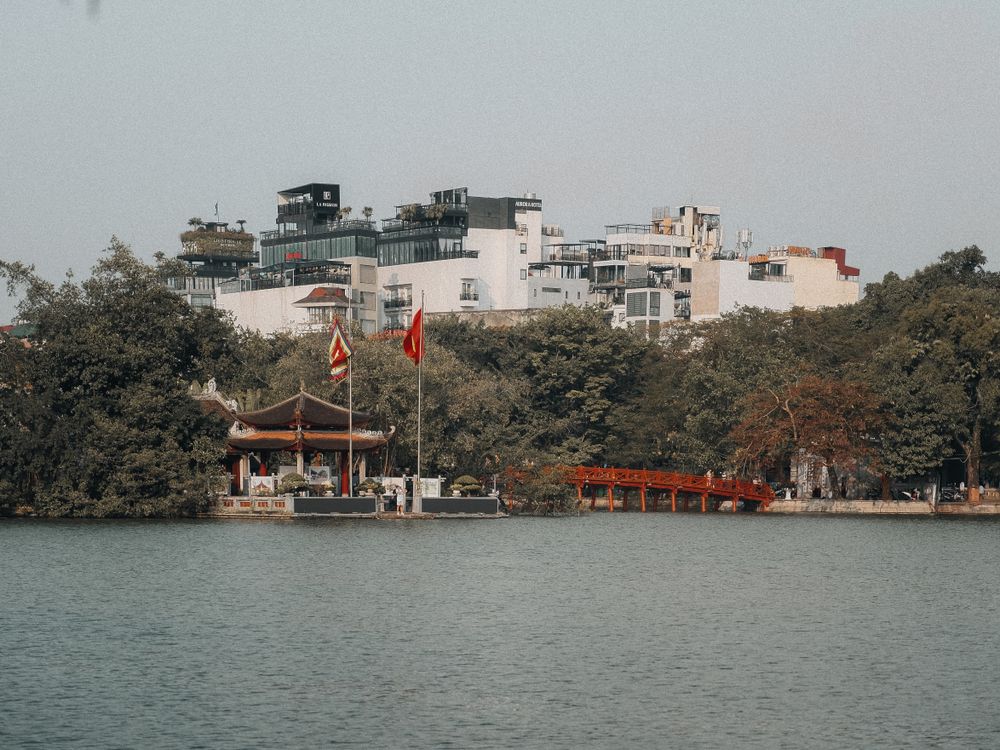
Hanoi is Vietnam's capital, and it feels like it — a thousand years old, a little chaotic, and completely itself.
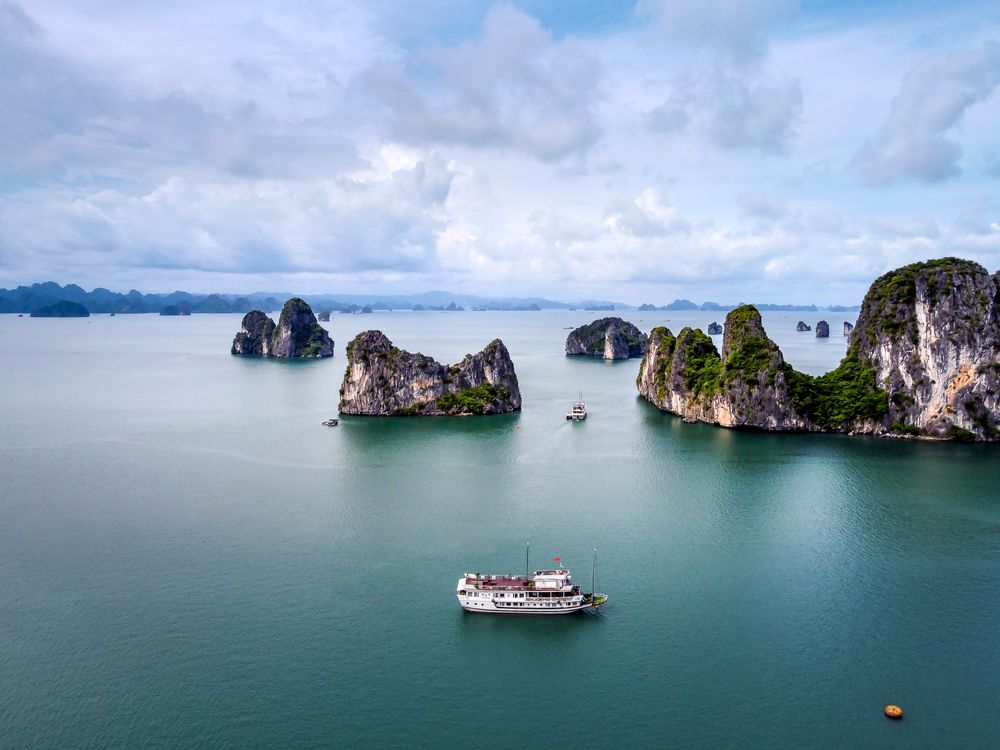
Ha Long Bay is the postcard of Vietnam: nearly 2,000 limestone islands rising out of emerald water in the Gulf of Tonkin, about 170 km east of Hanoi.
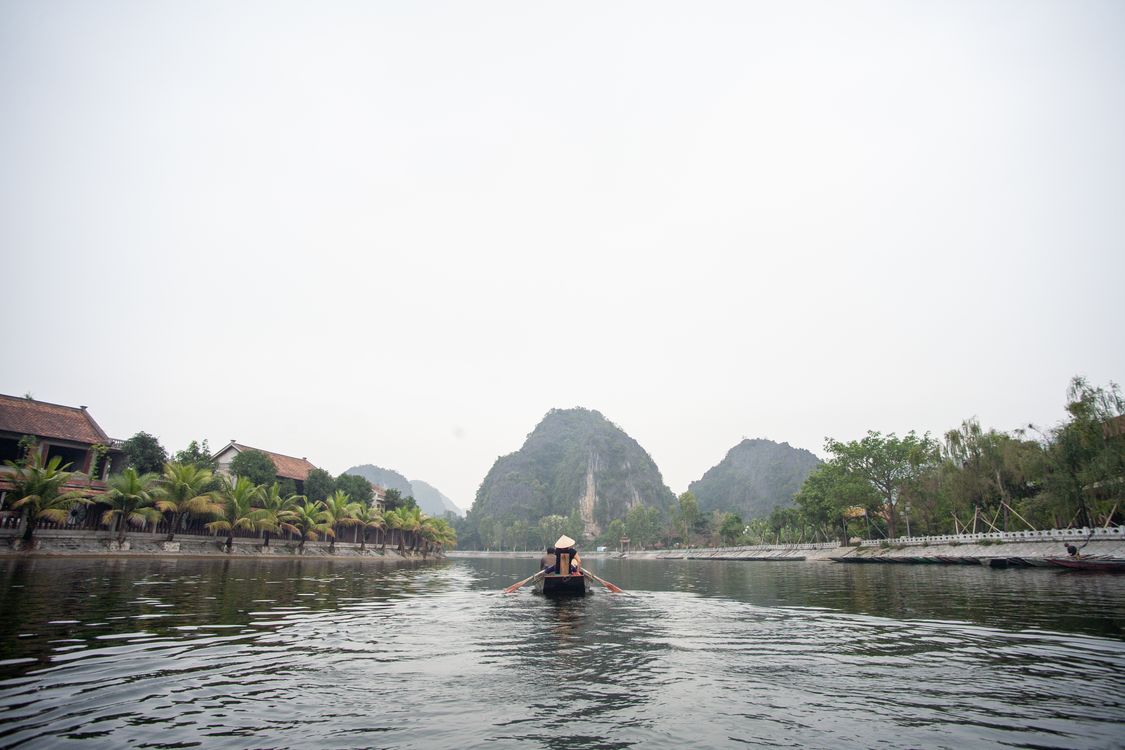
Ninh Binh sits about 95-100 km south of Hanoi, on the southern edge of the Red River Delta.
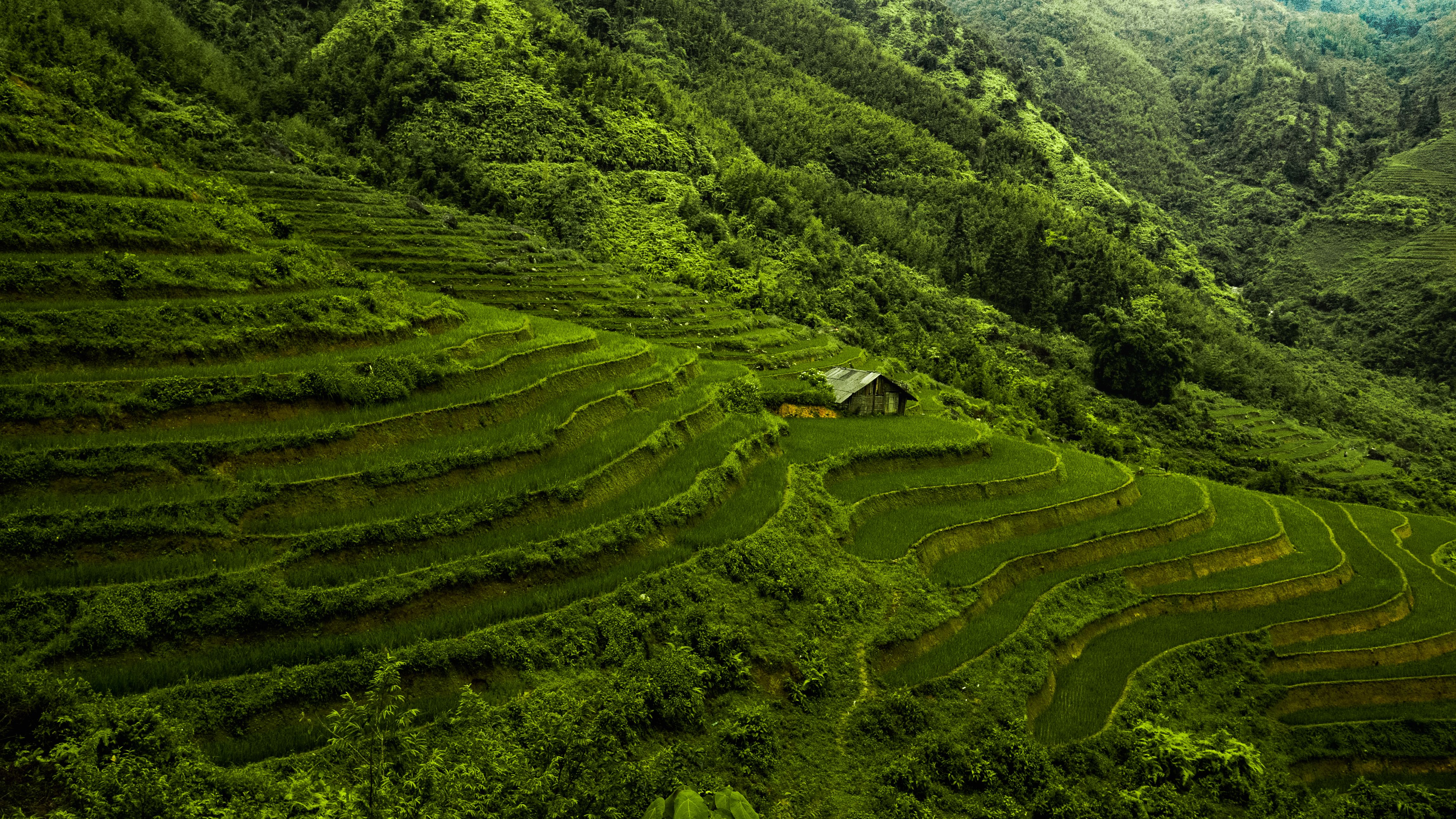
Sa Pa sits high in the Hoang Lien Son mountains of north-west Vietnam, about 320 km from Hanoi, near the Chinese border.
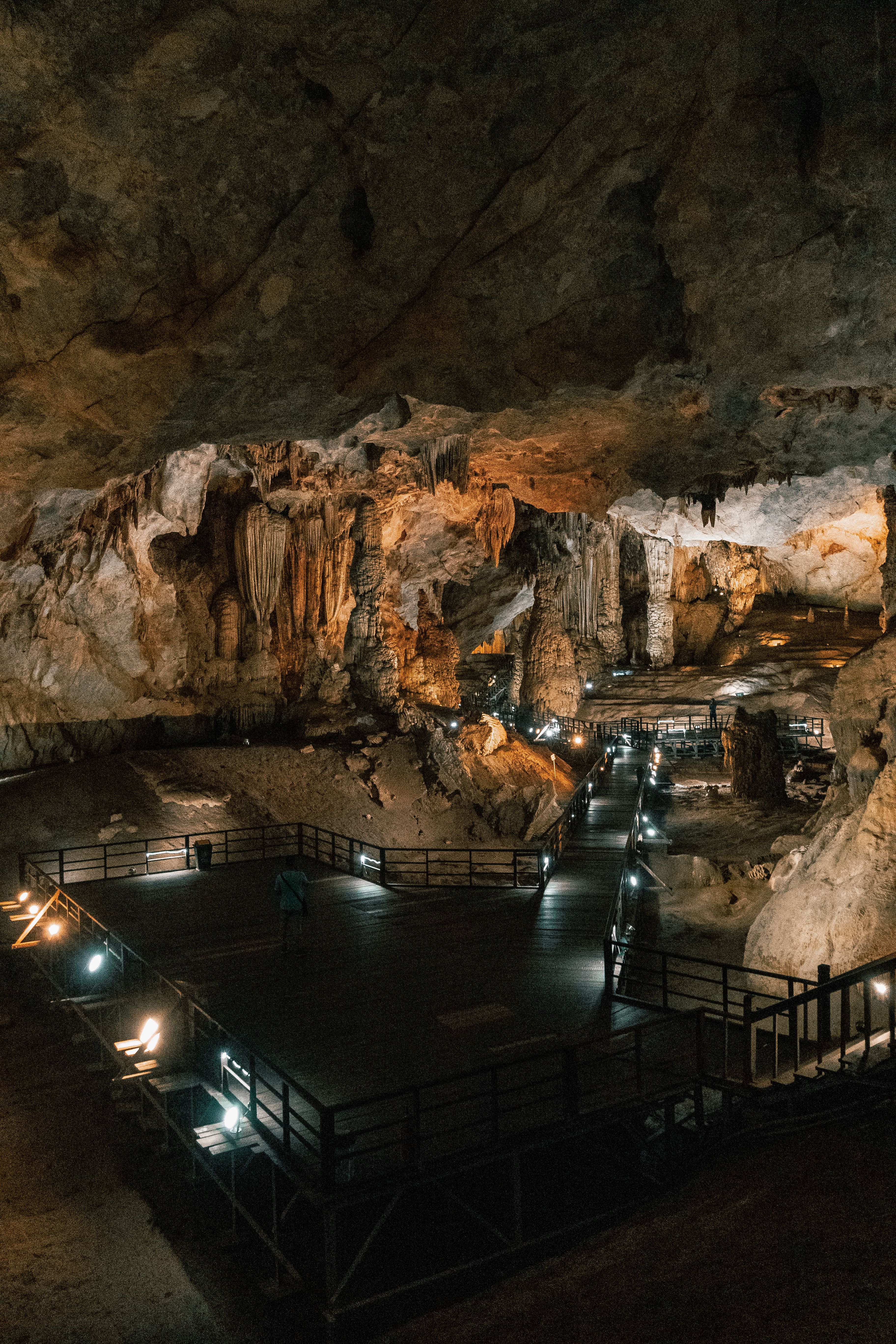
Phong Nha is a small, sleepy town on the Son River in central Vietnam, and the gateway to Phong Nha-Ke Bang National Park — a UNESCO World Heritage site and one of the great cave landscapes on Earth.
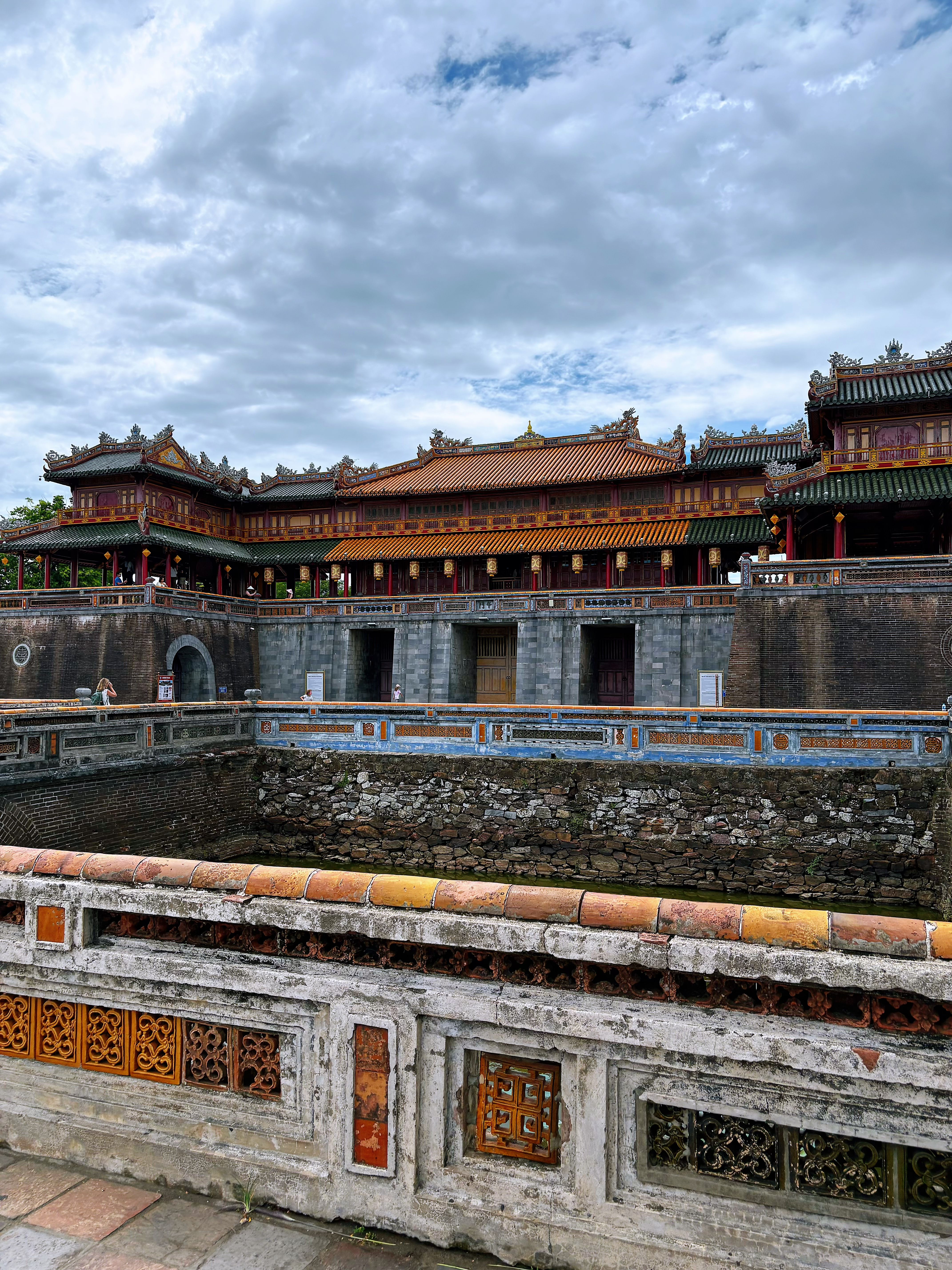
Hue is Vietnam's old imperial capital — slower, quieter and more graceful than Hanoi or Ho Chi Minh City.