Phu Quoc International Airport station
Tip: The airport has free Wi-Fi, currency exchange, and ATMs. Book your Grab after you collect your bags — drivers wait at the signed pickup point outside the terminal.
Open in Google MapsPrices checked November 2026. If a price at the ticket counter differs from this guide, the counter price is the one that counts.
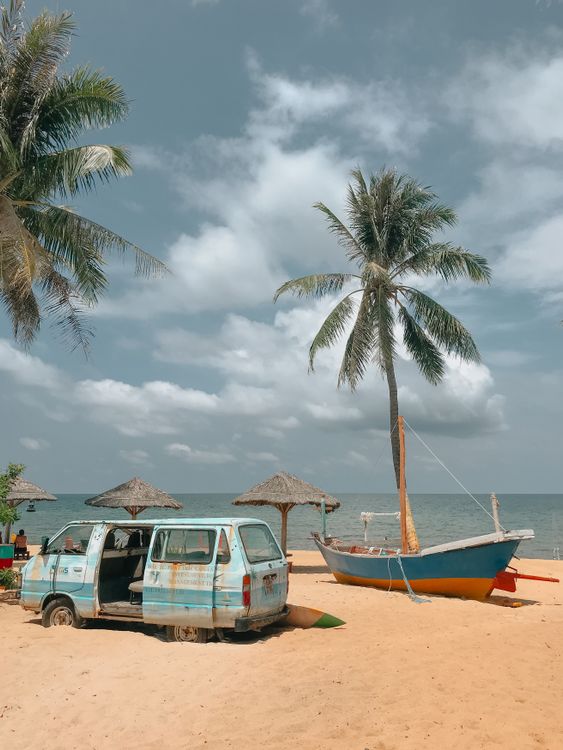
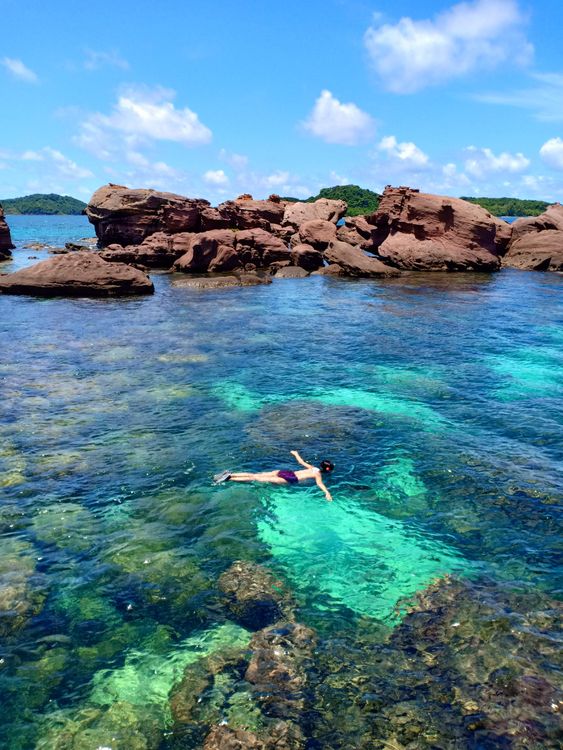
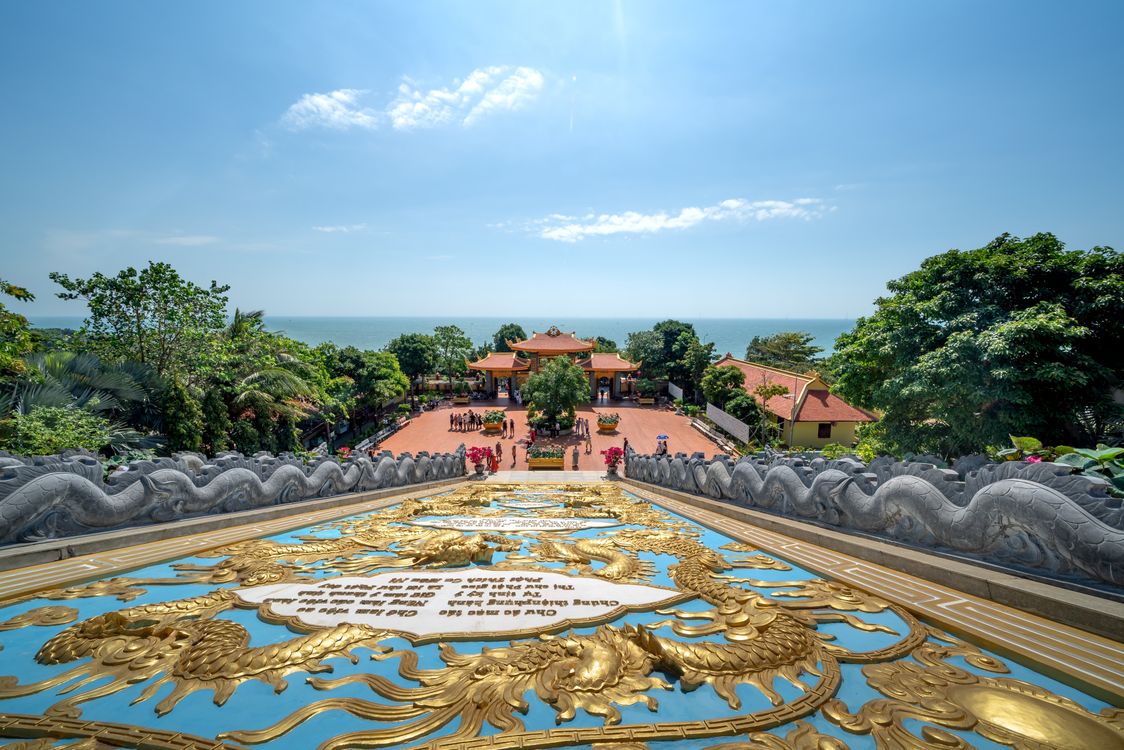
Phu Quoc is Vietnam's largest island — a tropical escape in the Gulf of Thailand, closer to Cambodia than to the Vietnamese mainland, with white-sand beaches, fishing villages, jungle interior, and some of the best sunsets in the country. It is the only place in Vietnam where most foreign visitors can stay visa-free for up to 30 days (arriving by air or sea directly to the island, without passing through the mainland — check the current rules for your passport before you book).
Most visitors need 3 to 5 days. Three days covers the highlights: one day for the south (Sao Beach, the Hon Thom cable car, Sunset Town), one day for the north (Vinpearl Safari and VinWonders, Starfish Beach), and one day for Duong Dong, the night market, and a snorkeling trip. Five days lets you slow down properly, which is really the point of an island. The best time to visit is the dry season, November to April, when the sea is calm and the skies are clear. May to October is the rainy season — ferries get cancelled, the sea turns rough, and the island's west-coast beaches lose their calm.
Phu Quoc suits couples and honeymooners (sunset beaches, resort stays), families (the safari, the theme park, calm shallow water at Sao Beach), and anyone who wants a beach holiday with a Vietnamese flavor rather than a generic resort island. It is less of a backpacker scene than it used to be — the island has gone upmarket in recent years — but budget guesthouses still exist around Duong Dong.
Getting here is easy by air: Phu Quoc International Airport (PQC) has direct flights from Ho Chi Minh City (about 1 hour), Hanoi (about 2 hours), and a growing list of international cities. The slower, cheaper route is a bus from Ho Chi Minh City to Ha Tien or Rach Gia, then a high-speed ferry across. Note: Phu Quoc was formerly part of Kien Giang Province; following Vietnam's 2025 administrative changes it is now part of An Giang Province.
Prices checked November 2026. Exchange rate used in this guide: 1 USD ≈ 26,000 VND.
By plane. Phu Quoc International Airport (PQC) is about 10 km from Duong Dong town, a 15 to 20 minute drive. Direct flights from Ho Chi Minh City take about 1 hour and run 20-plus times a day with Vietnam Airlines, VietJet Air, Bamboo Airways, and Sun PhuQuoc Airways; one-way fares booked a few weeks ahead typically run 700,000–1,300,000 VND (~$27–$50), rising to $80–$120 or more in peak season (December–January and Tet). From the airport to Duong Dong, a Grab car costs around 180,000–220,000 VND (~$7–$9); a metered taxi costs roughly 150,000–300,000 VND (~$6–$12); VinBus also serves the airport–Duong Dong–Grand World corridor.
By ferry from Ha Tien. The shorter sea crossing: about 1 to 1.5 hours, with tickets around 185,000–300,000 VND (~$7–$12) per adult. Superdong is the main operator, with several sailings a day. Ferries land at Bai Vong Port on the island's east coast, about 30 minutes by Grab from Duong Dong.
By ferry from Rach Gia. The longer crossing: about 2.5 to 3 hours, with tickets around 290,000–400,000 VND (~$11–$15) per adult. Operators include Superdong, Phu Quoc Express, and Hoa Binh Ship. Rach Gia is a 6 to 7 hour bus ride from Ho Chi Minh City, so the full overland journey takes 10 to 12 hours.
By bus + ferry from Ho Chi Minh City. Sleeper buses run overnight to Ha Tien (8 to 8.5 hours, 150,000–300,000 VND / ~$6–$12) or Rach Gia (6 to 7 hours), then the ferry across. Total cost is roughly 350,000–700,000 VND (~$13–$27) per person, and total time 9 to 12 hours. It only makes sense if you want the Mekong Delta countryside as part of the trip — otherwise, fly.
Getting around the island. VinBus electric buses run routes 17, 19 and 20 across the island, including the airport–Duong Dong–Grand World corridor. Since 1 January 2026 they charge 20,000 VND (~$0.80) for a short hop and 50,000 VND (~$2) for the full route — free if you hold a VinWonders, Safari or Grand World ticket, or are staying at a Vinpearl hotel. The Sun World shuttle between Duong Dong and the Hon Thom cable car / Sunset Town is free. Grab and Xanh SM run on the island at about 80,000–120,000 VND (~$3–5) per ride.
Weather warning: Ferries are weather-dependent. In the rainy season (May–October) rough seas frequently delay or cancel sailings, so always have a backup plan — and a flexible flight — if you choose the ferry route in those months.
Tip: The airport has free Wi-Fi, currency exchange, and ATMs. Book your Grab after you collect your bags — drivers wait at the signed pickup point outside the terminal.
Open in Google MapsTip: If you arrive by ferry, a Grab or shuttle to Duong Dong takes about 30 minutes. Book your onward transport before you board the ferry in peak season.
Open in Google MapsThere is no proper public transport on Phu Quoc. Taxis, Grab, hotel shuttles, and rented scooters do the work. The island is about 50 km long, so distances add up — Duong Dong to Sao Beach is 25 km, to Grand World in the north about 30 km.
Grab and taxis. Grab works in Duong Dong and the main tourist areas, with fares shown before you book — a car from the airport to Duong Dong runs about 180,000–220,000 VND (~$7–$9). Green SM (Xanh SM) electric taxis also cover the island. For street taxis, Mai Linh and Vinasun are the trusted brands. Agree on the meter or a fixed price before you set off, especially for longer runs to the north or south of the island.
Motorbike rental. Scooters rent for roughly 120,000–250,000 VND (~$5–$10) per day from hotels and rental shops in Duong Dong. The island's coastal roads are quieter than the mainland's, which makes Phu Quoc one of the better places in Vietnam to ride — but still wear a helmet, carry an international driving permit with a motorcycle endorsement, and photograph the bike before you take it.
VinBus. Free electric shuttle buses run the airport–Duong Dong–Grand World corridor (route 17, roughly every 15–20 minutes), which is handy if you are staying in the north of the island.
Private car with driver. A car and driver for a full day costs roughly 800,000–1,500,000 VND (~$31–$58), depending on distance. Your hotel can arrange one — it is the most comfortable way to see the south of the island in a day, and the cost splits well between three or four people.
Phu Quoc divides neatly into three zones: the south (Sao Beach, the cable car, Sunset Town), the center (Duong Dong town, the night market, Long Beach), and the north (Vinpearl Safari, VinWonders, Grand World, Starfish Beach). Plan one day per zone and you will not feel rushed.
Tip: The island's most beautiful beach — a 7 km curve of powdery white sand and shallow turquoise water on the southeast coast, about 25 km from Duong Dong. The water is calmest in the dry season (November–April). Arrive before 9:00 AM for empty sand and the best light, and bring reef-safe sunscreen.
Open in Google MapsTip: At 7.9 km, this is the world's longest three-wire sea-crossing cable car, and the 15-minute ride over the An Thoi archipelago is unforgettable. Cross in the morning block — you get about seven hours on the island for the same ticket, versus about three if you cross at 13:30. Some older guides still list 700,000 VND; the current 2026 price is 850,000 VND. Confirm the schedule on the day, as it changes with weather and maintenance.
Open in Google MapsTip: Vietnam's first semi-wild safari park — an open zoo plus a bus ride through the safari section where rhinos, giraffes, and lions roam. Arrive at 9:00 for the first bus and the 9:30 flamingo feed, and allow at least 3 hours. It closes early, so do the safari in the morning and VinWonders next door in the afternoon.
Open in Google MapsTip: Vietnam's largest theme park, with six themed zones, a water park, a huge aquarium, and the evening Once show (usually around 19:00). The combo ticket with the safari next door saves 500,000 VND (~$19) versus buying separately. Grand World, the third site in the same northern corner, is free to enter and comes alive after dark.
Open in Google MapsTip: A sobering and important site — a former POW camp and Special National Historical Relic, about 28 km south of Duong Dong and 2 km from Sao Beach. The exhibits are graphic and the atmosphere is heavy, so pair it with the beach afterwards rather than before. Go in the morning session or after 13:30 to avoid the lunch closure.
Open in Google MapsTip: The island's main evening market, beside the Dinh Cau shrine at the mouth of the Duong Dong River. Grilled seafood, fruit shakes, souvenirs, and pearls — Phu Quoc is famous for its pearl farms, but buy from reputable shops, not the cheapest stall. Come hungry and haggle gently.
Open in Google MapsTip: The island's largest pagoda, on a hillside above the sea on the east coast between Duong Dong and Sao Beach. The view from the terrace at sunset is one of the best on the island, and the architecture is a calm contrast to the resort buzz. Dress modestly and keep your voice down.
Open in Google MapsTip: A fishing village in the far north where bright red starfish rest in the shallow, crystal-clear water in the dry season. Wade in slowly, look but do not pick the starfish up — they die quickly out of water, and the best photos are taken with them in it. The road is rough in places; a car or a confident scooter rider is better than a bicycle.
Open in Google MapsTip: Two curving bridge halves that almost meet over the sea, designed so the sun sets in the gap between them. It is the island's most photographed sunset spot — come 30 minutes before sunset for a good position, and stay for the Kiss of the Sea evening show in Sunset Town if you have the energy.
Open in Google MapsTip: A 20 km stretch of sand along the west coast, and the island's classic sunset beach. The section near Duong Dong has the bars and beach clubs; further south it gets quieter. In the early morning, watch the fishing boats coming in with the night's catch.
Open in Google MapsPhu Quoc's food is fishing-village cooking: grilled seafood, fish sauce (the island's nuoc mam is famous across Vietnam), and goi ca trich — raw herring salad with shredded coconut, herbs, and rice paper, the dish to try if you try one. Bun quay (a self-mixed noodle soup you stir yourself at the table) is the local breakfast. Seafood restaurants line Tran Hung Dao in Duong Dong and the night market; for the freshest catch, eat at the floating restaurants and beach shacks in Ham Ninh fishing village on the east coast.
Tip: A long-running seafood favorite on the main street, with a terrace overlooking the sea. The grilled squid, hotpot, and goi ca trich are the dishes to order. Prices are by weight for some seafood — confirm the price before they cook it.
Open in Google MapsTip: A popular local seafood spot on the main strip, known for its grilled fish and hotpots. Come at sunset and sit outside if you can get a table.
Open in Google MapsTip: The island's most elegant dining room, in the colonial-style La Veranda Resort on Long Beach. French-Vietnamese cooking, a proper wine list, and a garden setting — the right choice for a special night out.
Open in Google MapsVegetarian and allergies: Vegetarian options are thinner here than on the mainland — the night market has grilled corn, fruit, and vegetarian noodles, and most restaurants will make a vegetable hotpot if you ask. Shellfish and fish sauce are in almost everything, so show a written allergy card if your allergy is serious. Phu Quoc's fish sauce is famously strong; even the dipping sauce at a seafood restaurant will contain it.
Where you stay on Phu Quoc decides your holiday. Duong Dong / Long Beach is the best base for a first visit: restaurants, the night market, and the airport are all close, and you can reach anywhere on the island from here. An Thoi / Sunset Town in the south suits the cable car, Sao Beach, and resort stays. Ganh Dau / Bai Dai in the north suits families doing Vinpearl Safari and VinWonders, with big resorts and Grand World next door. Ong Lang is the quiet middle — boutique resorts on a pretty beach, good for couples.
Guesthouses around Duong Dong run roughly 400,000–800,000 VND (~$15–$31) a night; mid-range resorts 1,200,000–2,500,000 VND (~$46–$96); luxury resorts from 4,000,000 VND (~$154) and up. Book through Agoda (https://www.agoda.com) or Booking.com (https://www.booking.com) — both list the island's full range, and prices swing a lot by season.
Tip: The island's most spectacular resort, on the beautiful and sheltered Bai Khem beach in the south. The architecture — a whimsical French university theme — is unlike anything else in Vietnam. Best for a splurge stay.
Open in Google MapsTip: A colonial-style boutique resort right on Long Beach, a short walk from the night market. The Pepper Tree restaurant is on site, and the pool garden is one of the prettiest on the island.
Open in Google MapsTip: An eco-friendly beachfront resort on quiet Ong Lang Beach, between Duong Dong and the north of the island. No TVs, no air conditioning in some rooms — just sea breezes, a good restaurant, and one of the island's best sunset spots. Best for couples who want to switch off.
Open in Google MapsTip: The big family resort in the north, next to VinWonders, the safari, and Grand World. If your trip is built around the parks, staying here saves hours of driving. Book a package that includes park tickets — it is usually cheaper than buying separately.
Open in Google Maps1 day — the south. Morning: Hon Thom cable car at opening (9:00), water park and beach on Hon Thom Island. Afternoon: Sao Beach for a swim, then Phu Quoc Prison on the way back north. Evening: sunset at Kiss Bridge in Sunset Town, dinner in An Thoi.
2 days — add the center. Day 1 as above. Day 2: slow morning on Long Beach, lunch in Duong Dong, Ho Quoc Pagoda in the afternoon, Dinh Cau Night Market in the evening.
3 to 5 days — the full island. Day 3: north — Vinpearl Safari in the morning, VinWonders in the afternoon, Grand World after dark. Day 4: snorkeling trip to the An Thoi islands (book through your hotel, typically 500,000–900,000 VND / ~$19–$35 per person including lunch), or Starfish Beach at Rach Vem. Day 5: a slow beach day, a spa afternoon, and a final sunset dinner on Long Beach.
Prices checked November 2026.
Phu Quoc is pricier than the mainland — transport costs more because everything is spread out, and resort restaurants charge resort prices. Cash is still the default at markets, street stalls, and small restaurants — carry small notes. ATMs are in Duong Dong and at the airport; they accept foreign cards, usually with a fee of 50,000–100,000 VND per withdrawal. Cards are accepted at hotels, resorts, and mid-range restaurants. There are currency exchange counters at the airport and on Tran Hung Dao; rates are better than at hotels. Tipping is not expected, but rounding up or leaving 10% at a sit-down restaurant is appreciated.
Phu Quoc is generally safe, and the main risks are natural ones. Swim only where the water is calm and lifeguards are present — the west coast can have strong currents and big waves in the rainy season, and jellyfish appear in some months. On boat and snorkeling trips, insist on a life jacket and check that the boat has one for every passenger. Scooter accidents are the most common injury on the island: the roads are quieter than the mainland's, but they are also darker at night, and stray dogs are common. Do not ride after dark if you can avoid it.
Tip: The island's main international-standard hospital, in the Vinpearl complex in the north. For minor issues, the clinics in Duong Dong are closer — ask your hotel for the nearest one. Travel insurance is strongly recommended, and for anything serious, medical evacuation to Ho Chi Minh City is the usual route.
Open in Google MapsFrom May to October the south-west monsoon brings heavy rain and rough seas on the west coast. Island-hopping and snorkelling tours — and the ferries to the mainland — are cancelled when the sea is too rough, most often from June to September. Do not put a ferry crossing on the day before an international flight. The east and south coasts (Bai Sao, Bai Khem) are more sheltered in those months. In July 2026 a tourist speedboat capsized in rough seas off Hon May Rut and 15 passengers died — book with an established operator, wear the life jacket, and do not go out in rough weather. The dry season, November to April, brings calm seas. See the full picture on our Seasonal Hazards & Natural Dangers page.
Phu Quoc moves slowly, and that is the point. The island's fishing villages — Ham Ninh on the east coast, Rach Vem in the north — are still real working places, not theme parks: ask before photographing people, and buy something if you stop at a stall. Dress modestly at pagodas (shoulders and knees covered, shoes off inside the main hall).
Weather: November to April is dry and sunny (25–32°C), with the calmest sea from December to March. May to October is the rainy season — heavy afternoon showers, rough seas, cancelled ferries, and murky water for snorkeling. Pack sunscreen, a hat, swimwear, water shoes for rocky beaches, and a light rain jacket even in the dry season. Mosquito repellent matters at dusk, especially near the jungle interior.
One more practical note: Phu Quoc's 30-day visa exemption applies to most foreign visitors arriving directly to the island — but the rules change, and they do not apply if you arrive via the mainland. Check the current conditions for your passport before you book.
Photo spots: Sao Beach in the early morning, before the day-trippers arrive; the Hon Thom cable car crossing at mid-morning, with the An Thoi archipelago below; the sun setting through the gap in the Kiss Bridge; the fishing boats at Ham Ninh village at dawn; and Long Beach at golden hour, when the whole west coast turns orange.
Phu Quoc is the rare Vietnamese destination where the souvenirs are things the island actually makes: fish sauce, pepper, sim wine and dried seafood. Buy them where they are produced and you get the real thing at local prices.
Fish sauce (nước mắm Phú Quốc). The island's most famous product, made from fresh anchovies fermented 12–15 months in wooden barrels. Phu Quoc fish sauce holds a Protected Geographical Indication in Vietnam and was the first Vietnamese product to earn PDO status in the EU (2012). A 250 ml bottle costs about 60,000–100,000 VND (~$2–4). Buy at a factory barrel house — Khai Hoan is the oldest and most visitor-friendly — where you can taste different strengths before choosing. One warning: fish sauce cannot go in cabin luggage, so pack bottles in checked bags (and double-bag them).
Phu Quoc pepper. Black, red and white peppercorns from the island's pepper farms, famous for a stronger aroma and cleaner heat than mainland pepper. Black pepper costs about 200,000 VND (~$8) per kg, white pepper about 260,000 VND (~$10) per kg. The farms welcome visitors free of charge — walk the rows, taste peppercorns off the vine, and buy from the family that grew them.
Sim wine (rượu sim). A sweet, ruby-red wine made from wild rose myrtle berries that grow on the island. It is light, fruity and very drinkable, and the syrup version makes a good mixer. Bottles cost about 80,000–200,000 VND (~$3–8).
Dried seafood. Dried squid, anchovies and shrimp from the morning catch, sold all over Duong Dong Market. Vacuum-packing is available at many stalls — ask, and your bag will survive the flight home.
Tip: Free entry, with tastings and a shop. Go in the morning, when staff have time to explain the process. The smell is strong — that is the point.
Open in Google MapsTip: The island's largest pepper farm, GlobalGAP-certified. Best in harvest season, roughly December to March, when the vines are heavy with red berries. Buy pepper salt too — it is a favourite gift.
Open in Google MapsTip: The best-known sim wine maker on the island, close to the fish sauce factories — combine the two stops in one morning.
Open in Google MapsTip: Come just after sunrise for the liveliest market and the best dried seafood. Bring cash — stalls do not take cards.
Open in Google MapsNight squid fishing with local fishermen. The island's most hands-on evening: join a local fishing boat at sunset, cruise out into the Gulf of Thailand, and try night squid fishing the way island fishermen do it — dropping a line with a lure and waiting for the tug. If you catch anything, the crew cooks it on board for dinner. Trips run about 4 hours, with pickup from hotels in central Duong Dong (John's Tours is the best-known operator; book at their office in Duong Dong or through GetYourGuide). Go with modest expectations — many nights nobody catches much, and the sunset and the boat ride are half the fun. Bring a light jacket: it gets cool and windy after dark. In the rainy season (May–November) boats may depart from An Thoi or Sao Beach instead, with no sunset view.
A fishing day with a family at Rach Vem. A slower, more personal version: spend a morning or afternoon with a multi-generational fishing family at the floating village of Rach Vem in the far north. You cast nets and fish with traditional techniques, snorkel and forage for scallops and sea urchins in the calm water, and finish with a seafood barbecue at the family's floating house. Bookable as a private experience through Viator — book well ahead, as it is popular and places are limited. Only your group takes part, so it suits families and couples who want the island without the crowds.
Tip: Confirm the departure point and pickup time when you book — it changes with the season and the weather.
Open in Google MapsTip: A real working fishing village, not a theme park. Ask before photographing people, and buy something if you stop at a stall.
Open in Google MapsDownload these before you arrive. Note: Xanh SM is listed as "Green SM: Electric Mobility" on the App Store.
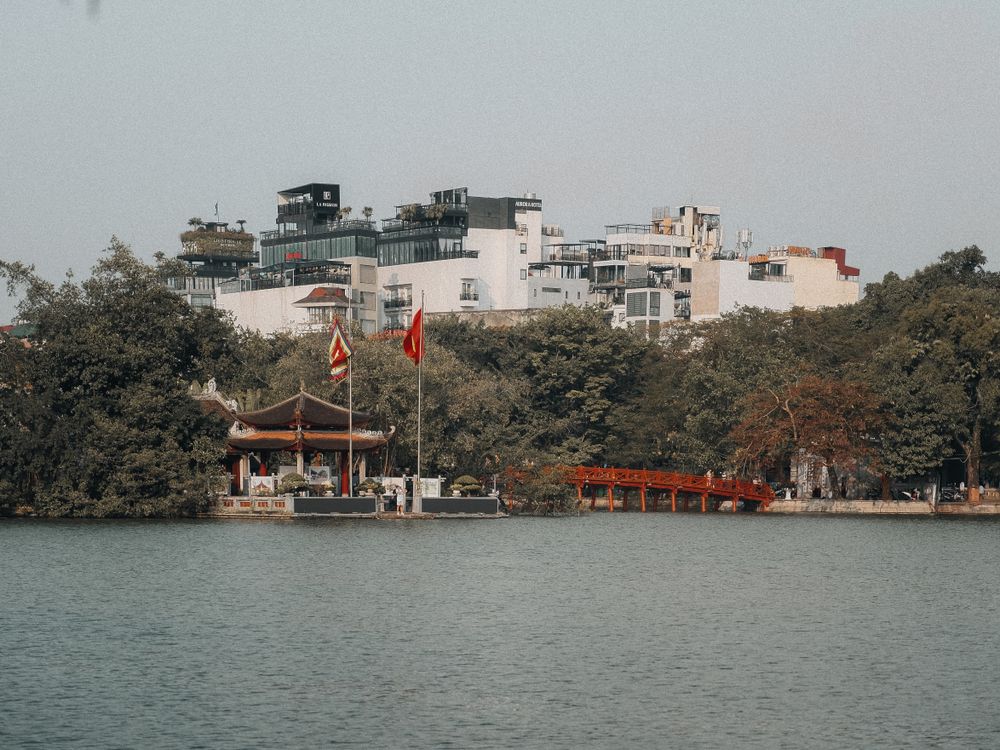
Hanoi is Vietnam's capital, and it feels like it — a thousand years old, a little chaotic, and completely itself.
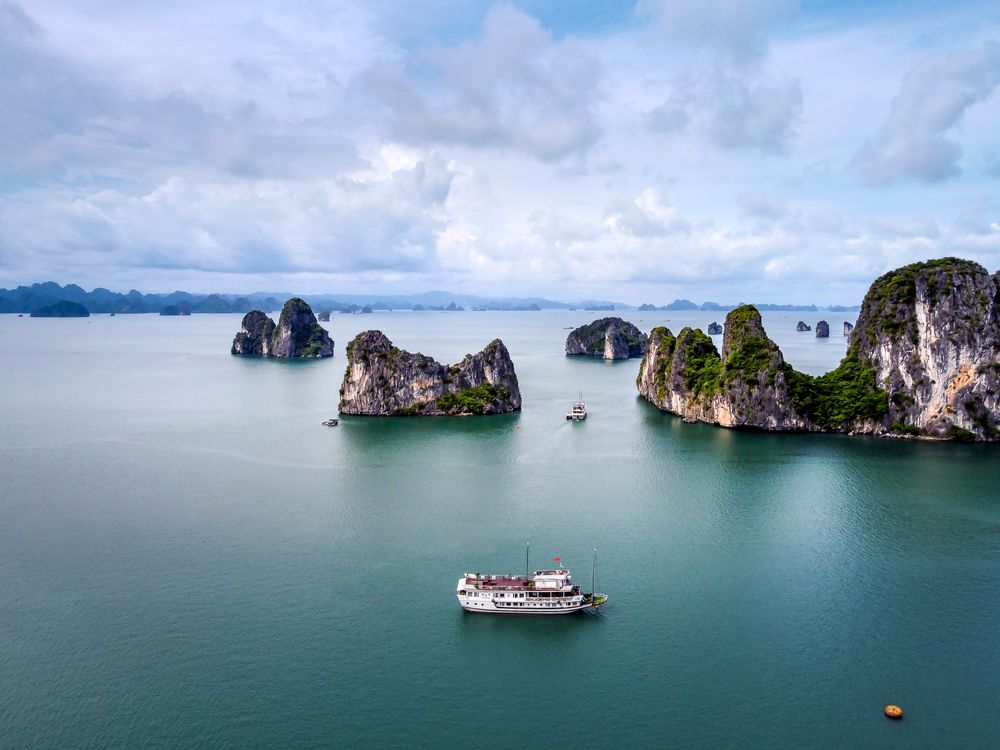
Ha Long Bay is the postcard of Vietnam: nearly 2,000 limestone islands rising out of emerald water in the Gulf of Tonkin, about 170 km east of Hanoi.
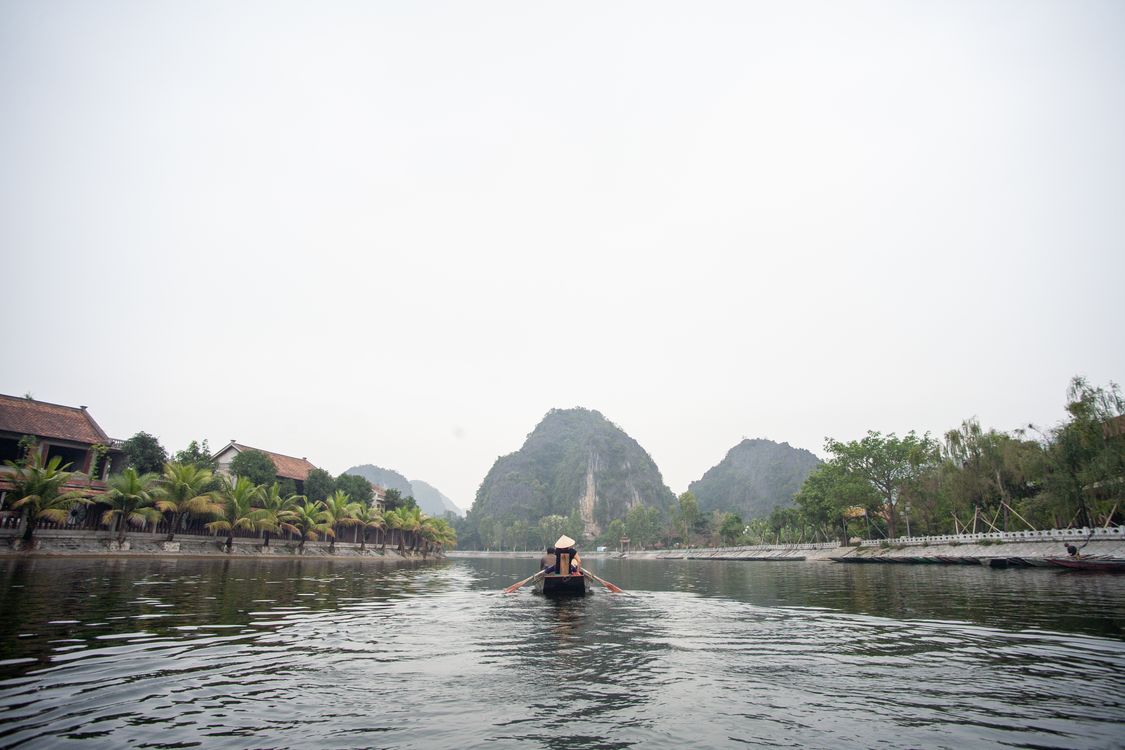
Ninh Binh sits about 95-100 km south of Hanoi, on the southern edge of the Red River Delta.
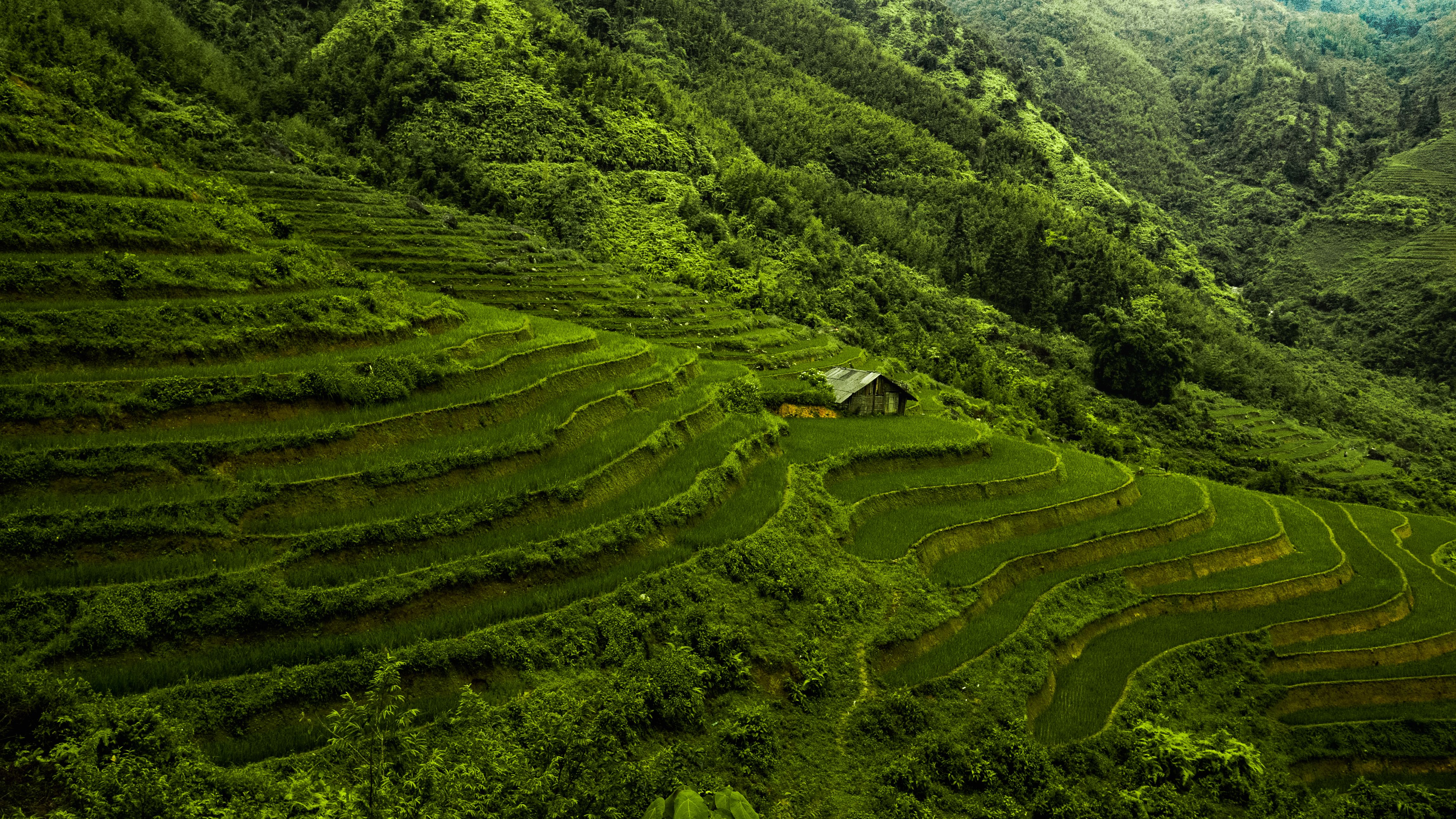
Sa Pa sits high in the Hoang Lien Son mountains of north-west Vietnam, about 320 km from Hanoi, near the Chinese border.
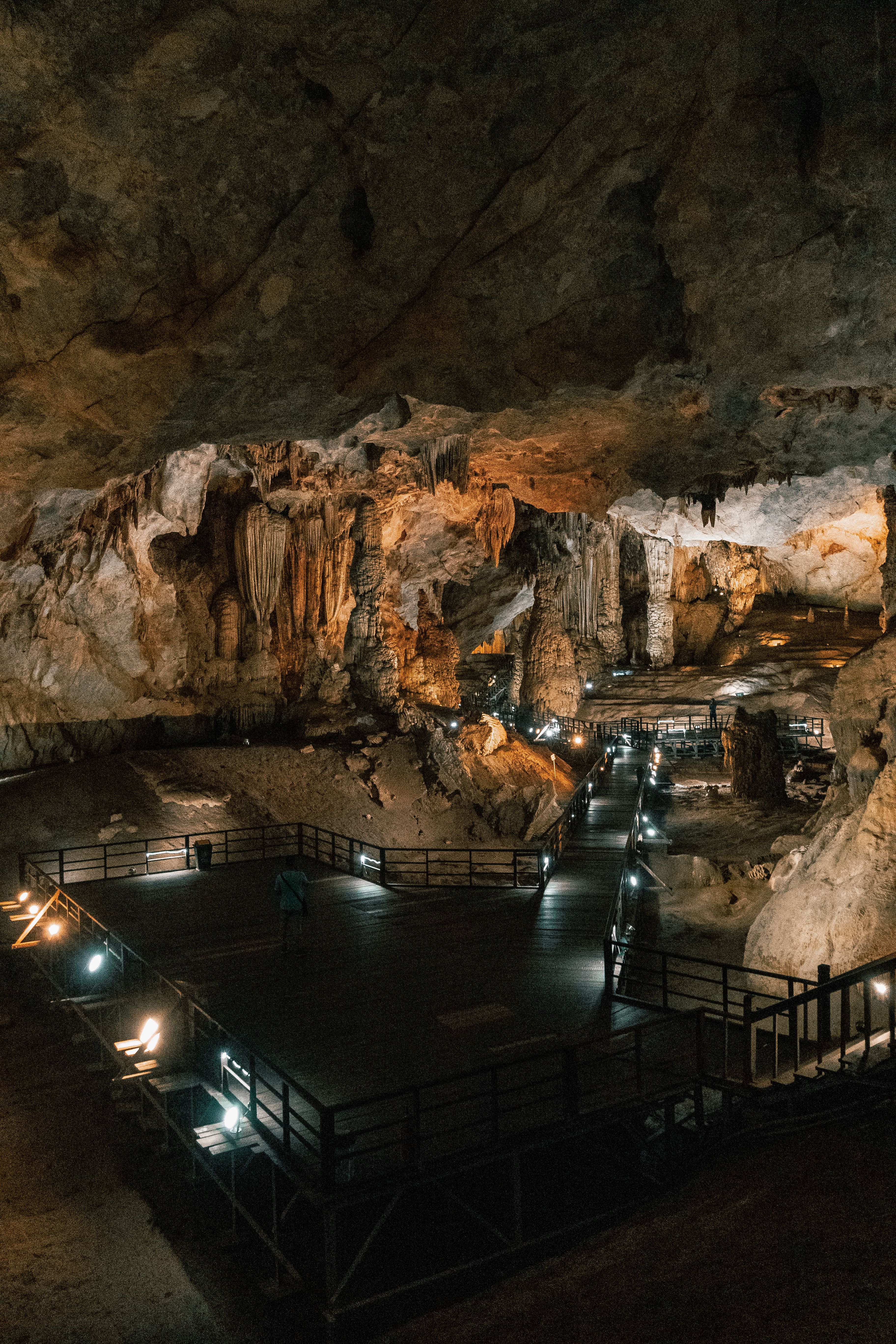
Phong Nha is a small, sleepy town on the Son River in central Vietnam, and the gateway to Phong Nha-Ke Bang National Park — a UNESCO World Heritage site and one of the great cave landscapes on Earth.
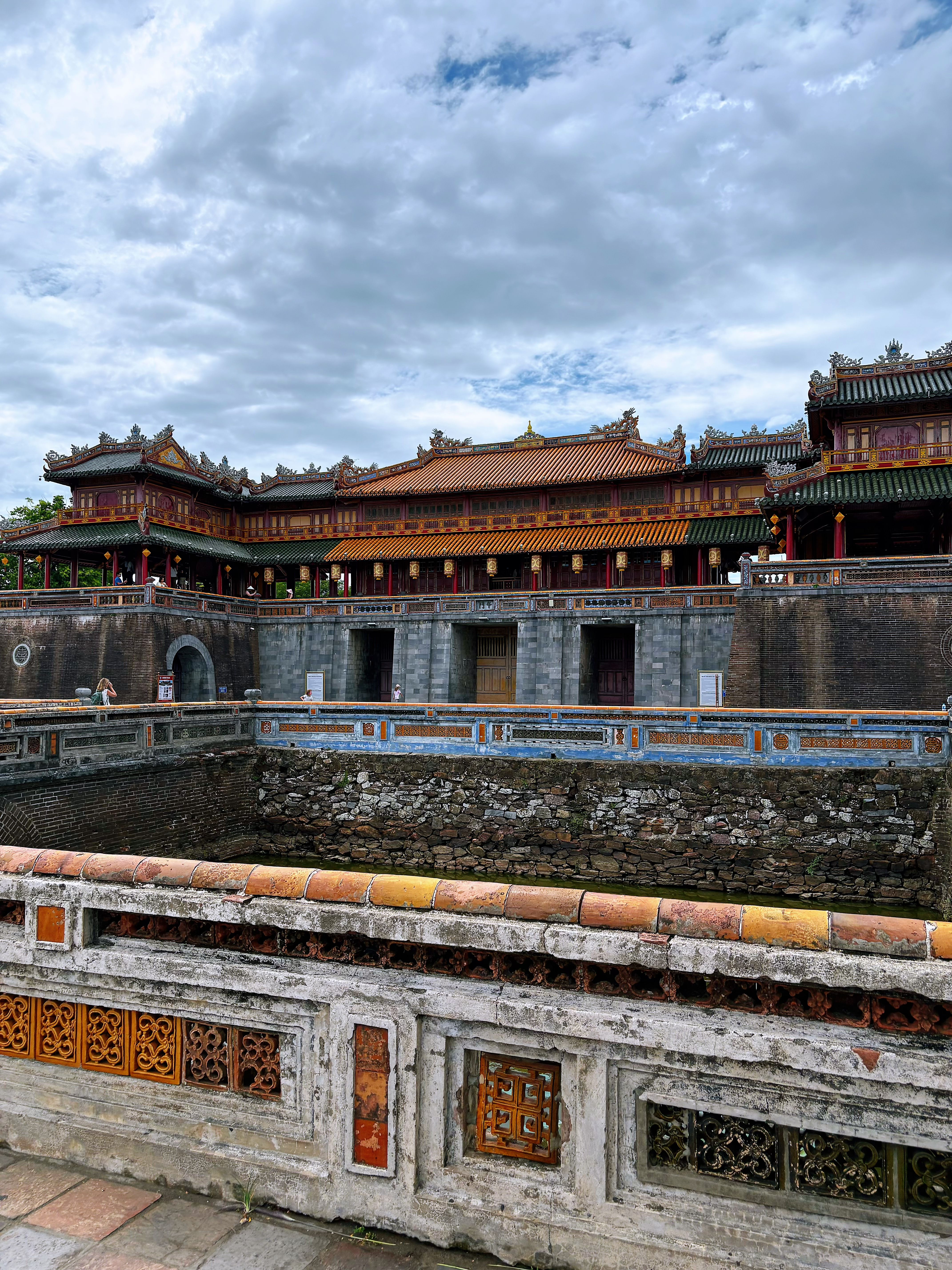
Hue is Vietnam's old imperial capital — slower, quieter and more graceful than Hanoi or Ho Chi Minh City.